India and the United States are on the brink of finalising a long-anticipated trade deal, with the White House confirming that the announcement could come soon. The development reaffirms India’s position as a “key strategic ally” for the US in the Indo-Pacific region, reflecting the growing cooperation between the two nations amid global and regional shifts.
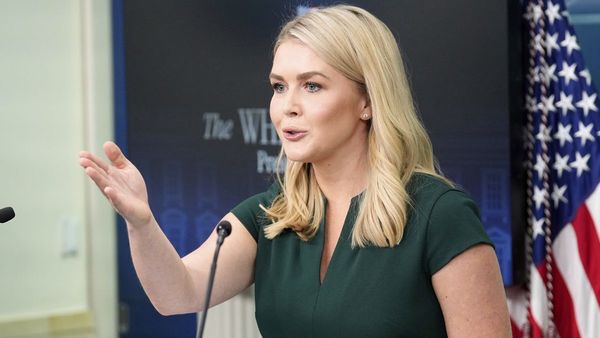
Speaking at a press conference, White House Press Secretary Karoline Leavitt underlined the strong relationship between President Biden and Prime Minister Narendra Modi, reiterating the importance of India in the Asia-Pacific region and within US foreign policy priorities. Leavitt emphasised that discussions surrounding the trade agreement are at an advanced stage, with final touches being added before the formal announcement.
“India remains a very strategic ally in the Asia Pacific and the President has a very good relationship with Prime Minister Modi,” Leavitt noted while responding to a question on China’s increasing influence in the region. She added that the President recently mentioned the progress of the deal, which continues to hold true, and the US Commerce Secretary has been actively involved in finalising the agreement during recent discussions in the Oval Office.
Advanced Stage of Trade Talks
Leavitt confirmed that the US and India are “very close” to concluding the trade deal, which has been under discussion for months. The White House press briefing coincided with External Affairs Minister S Jaishankar’s visit to the United States for the QUAD Foreign Ministers’ Meeting, further reinforcing the momentum in bilateral ties between India and the US.
During his visit, Jaishankar inaugurated an exhibition at the United Nations titled “The Human Cost of Terrorism,” drawing attention to the global impact of state-sponsored terrorism, a topic that aligns with shared US-India concerns over security and stability in the Indo-Pacific.
The QUAD, which includes Australia, India, Japan, and the United States, remains a central pillar in ensuring a free and open Indo-Pacific, a priority area in both nations’ foreign policy frameworks. The advancement of a trade agreement between India and the US further strengthens this shared vision while also addressing critical trade and economic concerns.
Focus on Reducing Trade Barriers
Last month, former President Donald Trump also commented on the trade negotiations, expressing Washington’s interest in securing the complete removal of trade barriers and ensuring better access to Indian markets. While he acknowledged that achieving a complete drop in trade restrictions may not be fully realistic, Trump underscored the commitment towards improving trade relations between the two countries.
“India, I think we are going to reach a deal where we have the right to go and do trade. Right now, it’s restricted. You can’t walk in there, you can’t even think about it,” Trump had said, noting the complexities involved in trade negotiations while expressing optimism about progress.
The anticipated trade deal comes amid evolving global trade dynamics and strategic realignments in the Indo-Pacific, with India and the US seeking to deepen their economic engagement while countering shared challenges, including supply chain disruptions and regional security concerns.
The White House has indicated that the formal announcement regarding the India-US trade agreement will be made soon, with President Biden and his trade team expected to share details as the agreement reaches its final stage, marking a significant milestone in strengthening bilateral trade and strategic relations between India and the United States.