India has reportedly initiated diplomatic discussions with the United States seeking an extension of its existing waiver that allows continued imports of Russian crude oil, as global energy markets face renewed stress due to prolonged disruptions in the Strait of Hormuz and widening geopolitical instability across key oil transit regions.
The move comes at a sensitive moment for global crude supply chains, with shipping routes under strain, insurance costs rising, and uncertainty persisting over sanctions enforcement linked to the Russia-Ukraine conflict. According to reports, the current US authorisation permitting certain categories of Russian oil imports is set to expire on May 16, prompting urgent engagement between Indian and American officials to prevent potential supply shocks.
The waiver, initially introduced in March and later expanded, was designed to stabilize global oil markets by allowing selective continued trade in Russian crude despite Western sanctions. While Russian oil is not subject to a blanket global ban, Washington has consistently urged major importers, including India, to gradually reduce dependence on discounted Russian barrels as part of broader pressure strategies against Moscow.
The present negotiations highlight the delicate balance India is attempting to maintain between securing affordable energy supplies and navigating complex geopolitical expectations from Western partners.
Global Energy Market Under Strain From Multiple Crises
The current discussions are unfolding against the backdrop of a multi-layered global energy crisis. One of the most significant pressure points has been the Strait of Hormuz, which reportedly continues to experience disruptions for nearly 75 days. This narrow but strategically vital waterway handles a substantial portion of global crude oil and LNG shipments, making it one of the most sensitive chokepoints in the international energy system.
Any disruption in this region immediately translates into global market volatility, affecting crude prices, shipping insurance premiums, and supply chain reliability. For importing countries like India, which depend heavily on energy imports to meet domestic demand, such instability creates immediate fiscal and logistical challenges.
Indian officials have reportedly conveyed to Washington that the ongoing volatility in global oil markets presents a risk not only to domestic inflation but also to broader macroeconomic stability. Rising crude prices directly affect transportation costs, manufacturing input prices, and household energy bills, making energy security a central policy priority.
India’s argument in the ongoing negotiations is rooted in the need for predictable and diversified energy sources at a time when traditional supply routes remain vulnerable.
India’s Evolving Oil Import Strategy and Russia’s Dominance
Over the past two years, India’s crude import basket has undergone a significant transformation. Russia has emerged as the largest supplier of crude oil to India, overtaking traditional Middle Eastern exporters such as Iraq and Saudi Arabia in certain months. This shift has been driven largely by discounted pricing structures and reconfigured global trade flows following Western sanctions on Russian energy exports.
Even during periods of fluctuating demand, Russian crude has maintained a strong presence in India’s import mix, supported by long-term contracts and flexible shipping arrangements. In recent months, imports have reportedly surged further as refiners accelerated purchases ahead of waiver deadlines and global uncertainty increased.
This evolving dependency has become a central factor in India’s current diplomatic discussions with the United States. While India continues to diversify its energy sources, Russian crude remains an important component of its strategy to balance affordability with supply security.
At the same time, policymakers in New Delhi have repeatedly emphasized that India’s energy decisions are guided by national economic interests rather than geopolitical alignment, particularly in a volatile global environment where supply disruptions can occur rapidly.
US Waiver Framework and Strategic Calculations
The United States has maintained a carefully calibrated approach toward Russian energy exports, balancing sanctions enforcement with global market stability concerns. The waiver mechanism introduced for countries like India reflects this dual strategy, allowing limited imports under specific conditions while maintaining broader pressure on Moscow’s energy revenues.
However, the temporary nature of these waivers has created uncertainty for importing nations, especially large consumers like India, which require long-term visibility for refinery planning and crude procurement.
Washington’s position has consistently encouraged diversification away from Russian oil, but it has also recognized that abrupt supply reductions could destabilize global prices. As a result, exemptions and extensions have been periodically granted depending on market conditions.
The current phase of negotiations is particularly significant because it comes at a time when global supply chains are already under strain from multiple geopolitical flashpoints, including tensions in West Asia and instability in key maritime routes.
India is reportedly seeking clarity on the future framework of these waivers to ensure that its energy security planning is not disrupted by sudden policy shifts.
Strait of Hormuz Disruptions Add Pressure to Global Markets
The Strait of Hormuz remains one of the most critical arteries of global energy trade, with a significant share of the world’s crude oil and LNG passing through it daily. Any disruption in this region has immediate and far-reaching consequences for global markets.
Recent reports indicate that tensions in the region have resulted in prolonged disruptions, affecting shipping schedules and increasing operational risks for energy carriers. Insurance premiums for tankers passing through the region have also reportedly risen, adding to the cost of imports for energy-dependent economies.
For India, which imports more than 80 percent of its crude oil requirements, such disruptions pose a direct challenge to energy affordability and supply predictability. While alternative supply routes exist, they often come at higher costs or require longer transit times, affecting refinery efficiency and pricing stability.
These developments have strengthened India’s case for maintaining diversified import channels, including continued access to discounted Russian crude.
Domestic Energy Security Measures and Government Position
Despite external volatility, the Indian government has maintained that domestic fuel supplies remain stable. Officials have emphasized that strategic reserves, commercial inventories, and diversified import arrangements provide sufficient cushioning against short-term shocks.
According to government statements, India currently holds adequate crude oil and LNG reserves to cover several weeks of consumption, while LPG stocks are also considered sufficient to manage immediate demand.
In addition to inventory buffers, domestic refining capacity has been strengthened over the years, allowing India to adjust sourcing patterns based on global price movements and availability. This flexibility has become a key advantage in managing external shocks.
Authorities have also increased focus on boosting domestic production efficiency and expanding partnerships with multiple supplier countries to reduce overdependence on any single region.
However, energy analysts caution that while short-term stability is assured, prolonged global disruptions could still lead to inflationary pressures if crude prices remain elevated.
Geopolitical Dimensions and India’s Diplomatic Balancing Act
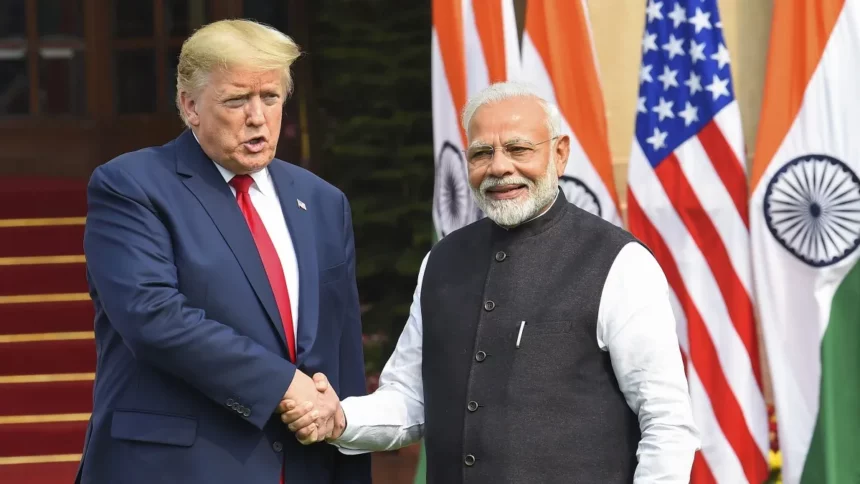
The ongoing negotiations between India and the United States also reflect broader geopolitical dynamics. Energy trade has increasingly become intertwined with foreign policy considerations, particularly in the context of sanctions regimes and strategic competition among major powers.
India’s position has consistently been that it will pursue a multi-aligned energy strategy focused on affordability, reliability, and national interest. This approach has required careful balancing between maintaining strong ties with Western partners while continuing economic engagement with Russia.
The current waiver discussions are therefore not just about oil imports but also about broader diplomatic positioning in a rapidly evolving global order.
The outcome of these talks is expected to influence not only short-term import patterns but also long-term energy diplomacy between India and the United States.
Market Implications and Future Outlook
Global oil markets are closely monitoring developments around India’s waiver request, as any change in Indian import volumes can significantly influence global demand dynamics. India is one of the largest crude oil importers in the world, and its purchasing decisions have a direct impact on global pricing trends.
If the waiver is extended, it would likely maintain current supply patterns and support price stability in the short term. However, if restrictions are tightened, India may be forced to further diversify its sourcing, potentially increasing demand pressure on Middle Eastern and American crude suppliers.
Market analysts suggest that uncertainty surrounding policy decisions is itself a key driver of volatility, as refiners and traders adjust strategies based on expected regulatory changes.
Conclusion: A Critical Phase in Global Energy Realignment
India’s request for an extension of the US waiver on Russian oil imports highlights the complex intersection of energy security, geopolitics, and global market stability.
As disruptions in the Strait of Hormuz continue to strain supply chains and geopolitical tensions remain elevated, countries are increasingly forced to reassess traditional energy dependencies and diversify procurement strategies.
For India, the priority remains clear: ensuring uninterrupted, affordable, and stable energy supplies for a rapidly growing economy. The ongoing negotiations with the United States will therefore play a crucial role in shaping the country’s near-term energy roadmap and its broader position in the global energy architecture.