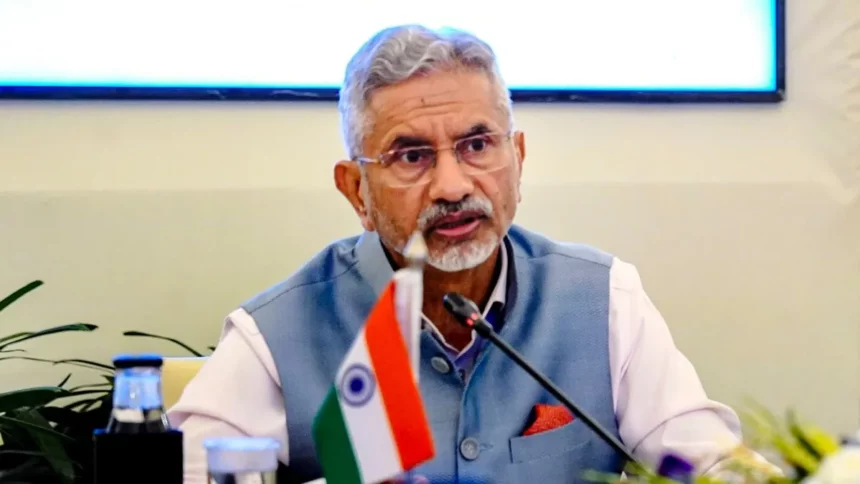
India has stepped up diplomatic outreach following the deadly Pahalgam terror attack, with External Affairs Minister S Jaishankar personally calling counterparts from non-permanent members of the UN Security Council to highlight the cross-border nature of the assault. The effort aims to galvanize international support and hold the perpetrators accountable.
Jaishankar held calls with foreign ministers of Algeria, Greece, Guyana, Panama, Slovenia, Sierra Leone, Somalia, and most recently Denmark. In his conversation with Danish Foreign Minister Lars Lokke Rasmussen, Jaishankar expressed India’s resolve to bring the attackers to justice and thanked him for his solidarity.
Global leaders condemn attack
India’s efforts have come alongside widespread international condemnation. The United Nations Security Council condemned the April 22 attack in the “strongest terms,” but the language of the statement was viewed in New Delhi as lacking the urgency India expected. Prime Minister Narendra Modi has received calls from leaders across the world, including US President Donald Trump, French President Emmanuel Macron, and Israeli Prime Minister Benjamin Netanyahu, among others.
PM Narendra Modi also received support from leaders in the Middle East and Asia, including the UAE, Iran, Sri Lanka, and Nepal. These calls, while symbolic, underline the global concern over rising terrorism and the cross-border dimension India has highlighted.
India prepares for a firm response
The outreach to UNSC members gains further importance as Pakistan assumes a non-permanent seat at the council for the 2025-26 term. India is keen to ensure its narrative on cross-border terrorism gains traction globally before critical diplomatic forums. PM Narendra Modi, in his recent ‘Mann ki Baat’ address, assured the nation that those behind the Pahalgam attack would face the “harshest response.”
He has granted complete operational freedom to the armed forces to determine the timing and nature of India’s response. This decision came during a high-level meeting attended by Defence Minister Rajnath Singh, NSA Ajit Doval, and the chiefs of the three armed forces.
India’s push on the diplomatic front, combined with a clear domestic resolve to retaliate, signals a dual strategy to counter terrorism—through both international pressure and strategic preparedness.