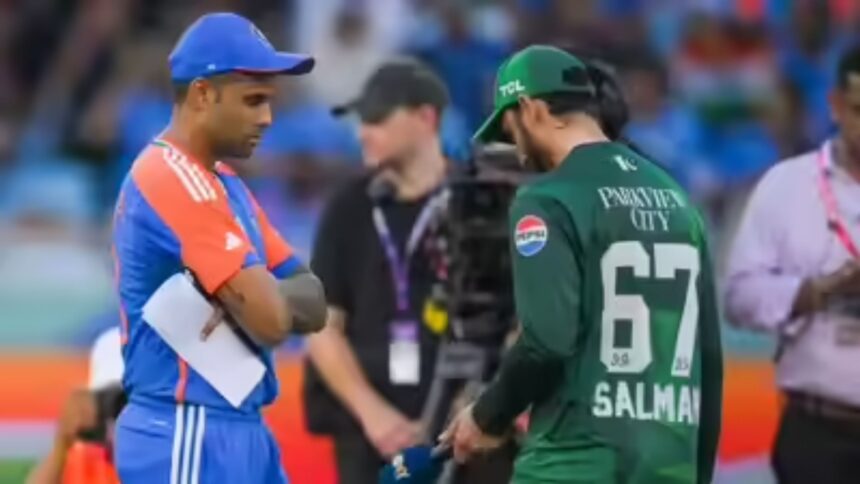
In a thrilling encounter at the 2026 ICC Under-19 Cricket World Cup, India defeated Pakistan by 58 runs to secure their place in the semifinals. The match, held at Harare Sports Club in Zimbabwe, was closely watched not only for the fierce rivalry between the two cricketing nations but also for the backdrop of Pakistan’s impending boycott of their T20 World Cup clash against India. While the U19 match progressed as a showcase of young talent, strategic brilliance, and composure under pressure, the larger political and sporting tensions cast a shadow over what was already a highly charged contest. India’s win ensures a semifinal meeting with Afghanistan, while Pakistan faces disappointment, heading home with lessons and experience despite a determined performance.
Dominant Indian Performance Seals the Semifinal Spot
India’s innings was built on the foundation of disciplined batting and tactical execution. From the outset, Indian batters looked composed, taking advantage of the pitch conditions while carefully rotating strike and punishing loose deliveries. Early partnerships set the tone for a competitive total, and contributions from multiple players kept the scoreboard ticking at a steady rate. The middle-order showcased resilience under pressure as spinners and pacers from Pakistan tried to slow the momentum. Kanishk’s powerful strokeplay, coupled with Ayush and Ambrish’s calculated shot selection, ensured India reached 252 runs before being bowled out, a score that placed immense pressure on Pakistan’s chasing side.
Pakistan’s response was immediately tested by India’s opening bowlers. Tight lines, sharp fielding, and clever variations by Indian bowlers led to early breakthroughs, preventing Pakistan from settling into a rhythm. Despite some spirited resistance from Farhan and Usman, India’s bowlers maintained control through disciplined overs and clever use of spin, exploiting the conditions to their advantage. Over the course of 45 overs, India consistently found ways to take wickets at crucial moments, breaking partnerships and halting any momentum Pakistan attempted to build.
The match also highlighted India’s strategic acumen, with captain Ayush Mhatre emphasizing smart field placements and communication among the bowlers. The spinners, particularly Khilan, played a pivotal role in curbing the run flow during middle overs, while fast bowlers applied pressure through consistent lines and lengths. Pakistan’s chase faltered as wickets fell at critical junctures, and despite energetic displays from individual batters, the required run rate became increasingly unattainable. By the 46th over, India’s victory was all but assured, cementing their semifinal position.
Beyond the numbers, this match exemplified the depth of India’s young talent. Every member of the squad contributed either with the bat, ball, or in the field. The all-round performance reflected months of preparation, adaptability to unfamiliar conditions, and a maturity beyond their years. While the scoreboard reflected a comfortable margin of victory, the intensity of play and psychological pressure of facing Pakistan in any World Cup fixture added a layer of complexity that India handled with composure and professionalism.
Pakistan’s Fight Marred by Strategic and Political Challenges
For Pakistan, the U19 World Cup outing was a bittersweet experience. Their journey to the knockout stage had showcased resilience and talent, with young players demonstrating potential in both batting and bowling. However, the chase against India highlighted the gap in execution under high-stakes conditions. Early wickets disrupted their innings, and while Farhan, Usman, and Hamza attempted to anchor the innings, constant pressure from Indian bowlers made building partnerships challenging. The left-arm spin variations and sharp pace overs exploited gaps and forced mistakes, ultimately restricting Pakistan to 194 runs.
The match carried additional significance beyond cricketing performance. Recent political developments, particularly the announcement that Pakistan’s senior team would boycott their T20 World Cup match against India, added tension to the fixture. The decision, influenced by longstanding geopolitical disputes and the fallout from Bangladesh’s exclusion from the tournament, created a narrative of uncertainty and scrutiny around Pakistan’s participation in international cricket events. Players and officials faced questions about sportsmanship, safety, and political allegiances, with many analysts noting that off-field issues likely impacted morale and strategic focus.
Despite these challenges, Pakistan’s performance was not without merit. Individual batting displays, especially from Farhan and Usman, demonstrated skill and temperament. Their efforts to stabilize the innings amid mounting pressure, coupled with moments of brilliance in the field, kept the match competitive in early stages. Pakistan also showcased a tactical awareness in their bowling, attempting to exploit variations in bounce and pace to induce errors from Indian batters. Yet, the inability to sustain partnerships and the relentless pressure from India’s disciplined attack prevented a serious threat to India’s total.
The U19 encounter also served as a preview of the potential future dynamics between the two nations in international cricket. While India’s team exhibited depth, cohesion, and adaptability, Pakistan’s squad revealed areas needing growth, particularly in handling high-pressure situations and closing out competitive chases. The combination of cricketing skill and political overtones made the match a complex spectacle, highlighting how sports and diplomacy often intersect in the South Asian cricketing context.
Emerging Players and Tactical Insights
One of the defining aspects of this match was the emergence of young talents who could shape the future of cricket for both nations. In India’s lineup, Kanishk’s all-round contributions, including his pivotal batting and energetic fielding, stood out. Ayush Mhatre’s leadership skills were evident as he marshaled his bowlers effectively, while spinners Khilan and Vedant exploited the conditions with smart variations, turning the middle overs in India’s favor. The synergy between bat and ball reflected a team prepared not only for physical execution but also for psychological resilience, often crucial in knockout-stage cricket.
Pakistan, on the other hand, relied heavily on the performances of Farhan, Usman, and Hamza. Their approach demonstrated patience and shot selection in challenging conditions, but the lack of support from the lower order highlighted a need for broader depth in batting. Bowlers showed glimpses of skill, particularly with seam movement and spin variations, yet failed to consistently contain India’s scoring threats. Analysts suggested that developing finishing skills and strengthening partnerships under pressure would be key areas for Pakistan to focus on in future tournaments.
Tactically, the match reinforced several lessons for both teams. India’s meticulous planning, including field placement adjustments and bowler rotation, disrupted Pakistan’s rhythm and highlighted the importance of flexibility in high-stakes cricket. Pakistan’s strategy relied on individual brilliance rather than sustained partnerships, which ultimately proved insufficient against a cohesive and well-drilled Indian team. The role of captains, both on and off the field, was underscored as India’s leadership guided the team through tense periods, while Pakistan’s leadership contended with both performance pressures and external controversies surrounding the T20 World Cup boycott.
The game also illuminated the critical role of mental resilience. For U19 players, managing nerves in a high-profile rivalry is as important as technical skill. India’s ability to stay composed, even when wickets fell at intervals, contrasted with Pakistan’s fluctuating confidence, reflecting how preparation, experience, and strategic clarity influence outcomes at the international junior level.
Impact of T20 World Cup Boycott on Cricketing Landscape
While the U19 match was decided on merit, it cannot be viewed in isolation from the larger geopolitical tensions affecting cricket. Pakistan’s boycott of the upcoming T20 World Cup match against India has captured global attention, raising questions about the intersection of politics and sport. The decision, stemming from longstanding tensions between the two nations and reactions to Bangladesh’s earlier exclusion from the tournament, underscores the influence of off-field issues on sporting events. Players, coaches, and officials must navigate these complexities while maintaining focus on performance and development.
The boycott also has implications for international cricket governance and scheduling. Pakistan’s withdrawal from the India fixture will result in automatic forfeiture points and potential disruptions to tournament progression. While the Under-19 World Cup continues unaffected by these political factors, the broader narrative of India-Pakistan cricket remains entangled with diplomatic considerations. Observers noted that managing such controversies while ensuring fair competition and protecting players’ welfare is increasingly critical in high-profile cricket tournaments.
For the young players, these developments offer both challenges and learning experiences. Competing under heightened scrutiny teaches adaptability, emotional control, and professional maturity—skills that are invaluable as they transition to senior international cricket. India’s team, advancing to the semifinals, benefits from momentum and confidence, while Pakistan’s squad must reconcile performance lessons with the disappointment of external factors affecting their participation.
Semifinal Prospects and Looking Ahead
India’s victory sets up a compelling semifinal against Afghanistan, with the winner likely to face either Australia or England in the final. The U19 World Cup has provided a platform for showcasing emerging talent, and India’s consistent performance signals their readiness for the next stage. Players have demonstrated the technical skills, mental resilience, and tactical understanding required for success in knockout cricket, setting the stage for exciting contests ahead.
For Pakistan, the experience, though mixed with frustration, will be valuable for development. Exposure to high-pressure matches, managing strategic responses under adversity, and learning from narrowly contested scenarios all contribute to building a robust cricketing culture. The lessons learned from this U19 encounter are likely to influence training, preparation, and tactical planning for future international engagements.
Beyond individual matches, the broader cricketing calendar, including the T20 World Cup, will continue to reflect the interplay of sport, politics, and regional diplomacy. India’s performance at the U19 level reinforces their depth and competitiveness, while Pakistan’s challenges highlight the need for structural improvements, mental fortitude, and strategic clarity to compete effectively on the world stage.
The India versus Pakistan U19 World Cup clash, with its 58-run margin, has reaffirmed the intensity, skill, and drama inherent in this historic rivalry. While India progresses to the semifinals, Pakistan faces the dual challenge of learning from defeat and navigating political uncertainties surrounding the T20 World Cup. The match offered glimpses of future stars, highlighted tactical ingenuity, and underscored the significance of preparation, mental toughness, and team coordination in international cricket. With semifinals approaching and emerging talents gaining experience, the U19 World Cup promises further excitement, lessons, and thrilling cricketing moments for players and fans alike.