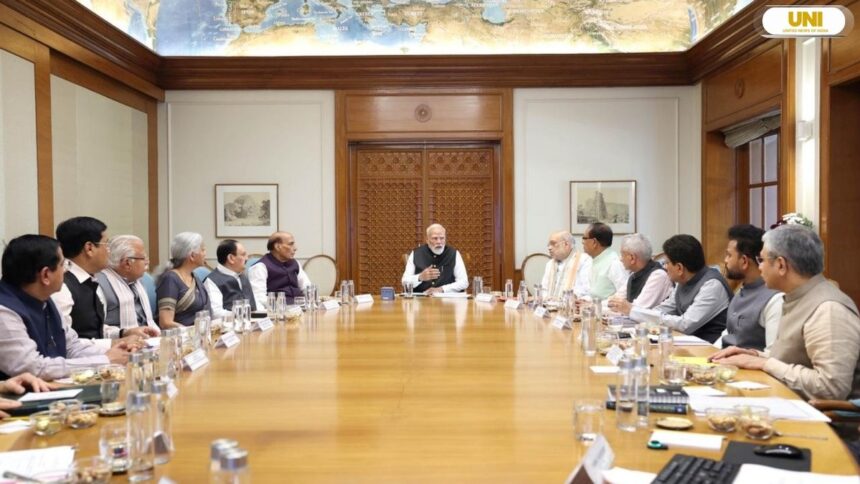
The Government of India is set to convene an all-party meeting on March 25 to deliberate on the escalating crisis in West Asia and its far-reaching implications for the country’s energy security, economic stability and geopolitical positioning. The meeting will take place at 5 pm within the Parliament complex and will be chaired by Defence Minister Rajnath Singh. External Affairs Minister S Jaishankar is expected to brief leaders from across political parties on the evolving situation and India’s diplomatic response. The move reflects the seriousness of the crisis and the need for coordinated political engagement. Authorities aim to ensure that all stakeholders remain informed and aligned on national priorities during a period of heightened global uncertainty.
The decision follows statements made in Parliament describing the situation as an unprecedented crisis with potentially long-lasting consequences. The West Asia conflict has now entered its fourth week, disrupting global trade routes and creating instability in energy markets. The Strait of Hormuz remains a key concern due to its strategic importance in global oil transportation. Nearly 20 percent of the world’s petroleum passes through this narrow waterway, making it one of the most critical chokepoints in the global supply chain. Any disruption in this route can directly impact import-dependent countries like India and create ripple effects across economies.
Rising Tensions and Strategic Risks
The ongoing conflict has intensified volatility in global energy markets, with crude oil prices witnessing fluctuations and supply chains facing uncertainty. India relies heavily on imports of crude oil and liquefied petroleum gas from the Gulf region, making it particularly vulnerable to disruptions. If maritime routes are affected, shipments may be delayed and transportation costs may increase significantly. Insurance premiums for tankers could also rise, adding to the overall cost burden. These developments can directly influence domestic fuel prices and economic stability.
Higher fuel prices often lead to inflationary pressures across various sectors. Transportation costs increase, affecting logistics and supply chains. Agriculture and manufacturing sectors may experience higher input costs, which can lead to increased prices of goods and services. Consumers may face rising living expenses, reducing purchasing power and affecting demand. The broader economic impact depends on how long the crisis persists and how global markets respond to ongoing developments.
The government has begun evaluating contingency measures to manage potential risks. Diversification of energy import sources is being considered to reduce dependence on specific regions. Strategic petroleum reserves are being strengthened to handle short-term disruptions. Coordination with international partners is also being enhanced to ensure continuity in supply chains. Maintaining domestic stability while managing global uncertainties remains a key priority for policymakers.
Political Reactions and Policy Debate
The all-party meeting is being viewed as an effort to build political consensus on a matter of national importance. By bringing together leaders from different political parties, the government aims to ensure a coordinated response to the crisis. The meeting will provide a platform for sharing information, discussing policy measures and addressing concerns raised by opposition parties. Such engagement is crucial for maintaining transparency and accountability in governance.
Opposition parties have raised concerns about the format of the discussion, arguing that a full debate in Parliament would be more appropriate given the gravity of the situation. They have emphasized the need for detailed deliberation and clarity on the government’s strategy. Questions have also been raised regarding foreign policy direction and decision-making processes. These concerns reflect the political dynamics surrounding the issue.
Despite these differences, the meeting is expected to facilitate dialogue and cooperation. The government will present its assessment of the crisis and outline its response strategy. Opposition leaders will have the opportunity to express their views and seek clarifications. This interaction can contribute to more informed policy decisions and strengthen democratic processes. The overall objective remains to ensure national preparedness.
Economic Impact and Energy Security
The economic implications of the West Asia crisis are significant and far-reaching. Rising crude oil prices can increase India’s import bill and widen the trade deficit. Inflationary pressures may intensify as fuel costs rise, affecting prices of goods and services across the economy. The government is closely monitoring these developments and evaluating measures to mitigate their impact on consumers and businesses.
Ensuring the availability of essential fuels, particularly LPG, remains a critical priority. LPG is widely used in households across the country, and any disruption in supply can have serious consequences. The government has taken steps to strengthen supply chains, improve distribution networks and maintain adequate stock levels. Monitoring mechanisms are in place to track supply and demand patterns and respond quickly to emerging challenges.
Global market volatility also affects sectors such as aviation, where fuel costs constitute a major portion of operational expenses. Airlines may adjust ticket prices in response to rising fuel costs, which can influence travel demand. The broader economic outlook depends on how effectively the government manages these challenges and maintains stability in domestic markets.
Security Preparedness and Strategic Coordination
Security preparedness is a crucial aspect of the government’s response to the crisis. A high-level review involving senior defence officials has already been conducted to assess the evolving regional situation. The review focused on identifying potential risks and ensuring readiness to respond to contingencies. India’s strategic interests in West Asia extend beyond energy, including the safety of its citizens and the security of trade routes.
Coordination among various government agencies is being strengthened to monitor developments and respond effectively. Intelligence gathering, maritime surveillance and diplomatic engagement are being enhanced to address emerging challenges. Ensuring the safety of Indian nationals residing in West Asia is a priority, and contingency plans are in place to handle emergency situations if required.
The government is also focusing on strengthening defence preparedness and improving coordination between military and civilian agencies. This includes reviewing operational readiness, conducting scenario planning and ensuring effective communication channels. These measures are essential for maintaining national security in a rapidly changing geopolitical environment.
Diplomatic Strategy and Way Forward
India is maintaining a balanced and pragmatic diplomatic approach in response to the West Asia crisis. The country continues to engage with all major stakeholders while advocating for dialogue and de-escalation. Strategic autonomy allows India to maintain relations with multiple partners without aligning exclusively with any particular bloc. This approach provides flexibility in navigating complex geopolitical dynamics.
Diplomatic efforts are focused on ensuring stability in the region and minimizing the impact of the crisis on global energy markets. India is actively participating in international forums and engaging with partner countries to promote cooperation and coordination. These efforts aim to prevent further escalation and support peaceful resolution of conflicts.
The all-party meeting is expected to strengthen internal coordination and ensure that political leaders are aligned on key issues. By fostering dialogue and consensus, the government aims to enhance its ability to respond effectively to the crisis. As the situation continues to evolve, maintaining preparedness, flexibility and strategic clarity will be essential.
The decision to convene an all-party meeting underscores the seriousness of the West Asia crisis and its potential impact on India. By engaging political leaders and fostering consensus, the government aims to ensure a coordinated and effective response. The focus remains on maintaining energy security, managing economic risks and safeguarding national interests.
The coming weeks will be crucial in determining the trajectory of the crisis and its implications for India. The government’s emphasis on preparedness, coordination and strategic planning reflects its commitment to navigating these challenges. Ensuring stability in domestic markets while responding to global uncertainties will remain a key priority. The all-party meeting represents an important step in this direction.