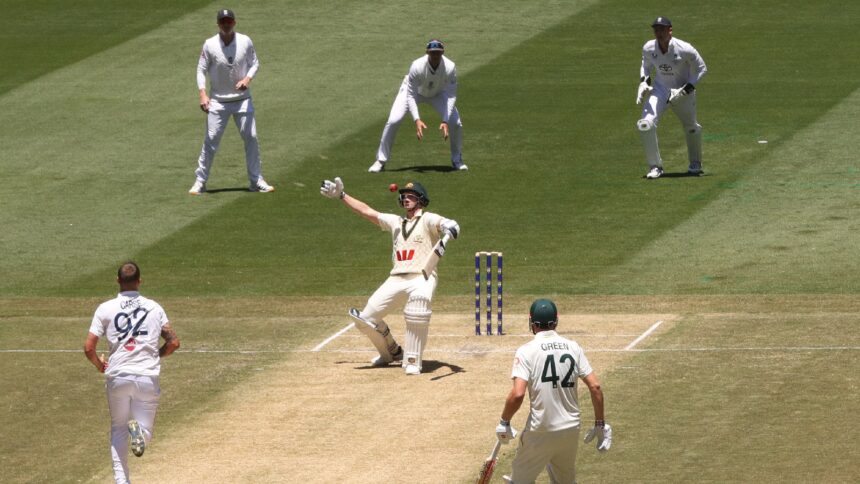
The International Cricket Council has rated the Melbourne Cricket Ground pitch as “unsatisfactory” following the dramatic two-day finish to the fourth Ashes Test, a decision that has reignited debate about pitch preparation, competitive balance and the responsibilities of host venues in Test cricket. England’s four-wicket victory over Australia inside two days, marked by relentless seam movement and the absence of any meaningful batting resistance, prompted the ICC to issue its second-lowest pitch rating, drawing strong reactions from players, officials and curators alike.
The outcome was extraordinary even by Ashes standards. A contest traditionally known for attritional battles and extended drama instead concluded before a third day could begin. Twenty wickets fell on the opening day, followed by 16 more on day two, with no batter from either side managing to reach a half-century. While England celebrated a rare away victory at the MCG, the nature of the surface overshadowed the result, shifting focus from tactics and performances to questions of fairness and spectacle.
icc assessment, referee ruling and curator reaction
The pitch assessment was delivered by the International Cricket Council after match referee Jeff Crowe concluded that the surface was excessively bowler-friendly. Crowe stated that the pitch offered too much assistance to seamers, making it extremely difficult for batters to survive, let alone build innings. Under ICC guidelines, the combination of rapid wicket falls and the absence of significant batting contributions meant the pitch could not be rated satisfactory.
Pitches are graded on a four-tier scale ranging from very good to unfit, with unsatisfactory representing the second-worst outcome. As a result of this rating, the MCG has been handed one demerit point. While this does not carry immediate sanctions, ICC regulations stipulate that if a venue accumulates six demerit points within a rolling five-year period, it faces a 12-month ban from hosting international matches. The decision therefore carries long-term implications for one of cricket’s most iconic grounds.
The MCG’s head curator, Matthew Page, expressed shock at how the pitch behaved. He revealed that approximately 10 millimetres of grass had been left on the surface, a preparation choice that backfired dramatically by producing extravagant seam movement from the first session onward. Page admitted that the match unfolded in a way he had not anticipated, describing the outcome as deeply disappointing given the expectations surrounding a marquee Boxing Day Test.
England captain Ben Stokes also weighed in, suggesting that similar conditions elsewhere in the world would provoke outrage. While acknowledging England’s advantage and eventual victory, Stokes implied that the balance between bat and ball had tilted too far, undermining the essence of Test cricket. His comments reflected a broader sentiment within the game that pitches should challenge both disciplines without rendering one almost redundant.
The contrast with earlier matches in the series further highlighted the issue. The opening Test in Perth, which also ended inside two days with Australia securing victory, was nevertheless rated “very good” by the ICC. That surface, while lively, was judged to offer a fair contest. The MCG pitch, by comparison, was deemed to have crossed the line into excess, offering bowlers such dominance that the contest was effectively predetermined by conditions rather than skill adaptation.
sporting and financial fallout for cricket australia and the ashes
Beyond the technical assessment, the unsatisfactory rating has had tangible consequences for Cricket Australia. England’s win in Melbourne, while significant in sporting terms, is expected to cost the host board around £5 million. A sell-out crowd of more than 90,000 spectators had been anticipated for day three, traditionally one of the most lucrative days of the Boxing Day Test. The absence of play triggered large-scale refunds and resulted in lost revenue from ticket sales, merchandise, food and beverages.
The financial impact has sharpened scrutiny of pitch preparation decisions, particularly at a venue where expectations extend beyond the cricketing contest to the broader spectacle and fan experience. The MCG’s Boxing Day Test is one of the highlights of the international calendar, drawing global attention and massive crowds. A two-day finish, regardless of which team wins, undermines those expectations and raises questions about whether commercial and sporting considerations were adequately balanced.
From a series perspective, England’s victory reduced Australia’s lead to 3–1 heading into the final Test at the Sydney Cricket Ground, scheduled to begin on January 4. While Australia retain the Ashes, the Melbourne result injected renewed discussion into a series that had appeared largely settled. Yet even this narrative development was overshadowed by debate over the pitch, with many observers arguing that the match failed to provide a true test of adaptability and endurance.
Players on both sides acknowledged the challenge posed by the conditions but conceded that the margin for error was unusually slim. Batters struggled to negotiate movement off the seam, while bowlers operated with relentless threat. The absence of any half-century across four innings underscored how little opportunity there was for innings to develop, prompting criticism that the surface did not meet the expectations of Test cricket’s longest format.
The episode has also raised broader questions about pitch standards and accountability. ICC guidelines are designed to preserve the integrity of the game by discouraging extremes, yet curators often operate under pressure from local expectations, weather conditions and historical preferences. The unsatisfactory rating at the MCG serves as a reminder that even the most prestigious venues are subject to oversight and that reputation alone does not guarantee leniency.
As discussions continue, the focus remains on how future Tests can strike the right balance. While lively pitches are celebrated for producing results and excitement, the Melbourne experience suggests that excess can undermine both competition and credibility. The ICC’s decision sends a clear message that Test cricket, even in its most storied rivalries, must remain a contest where skill, patience and strategy are given room to unfold.