


Mold spores are a common problem in many households, posing health risks and structural damage if left untreated. Understanding how to effectively kill mold spores in the air and prevent mold growth is essential for maintaining a healthy living environment. Here are several methods and preventive measures to combat this pervasive issue.
Identifying the Problem

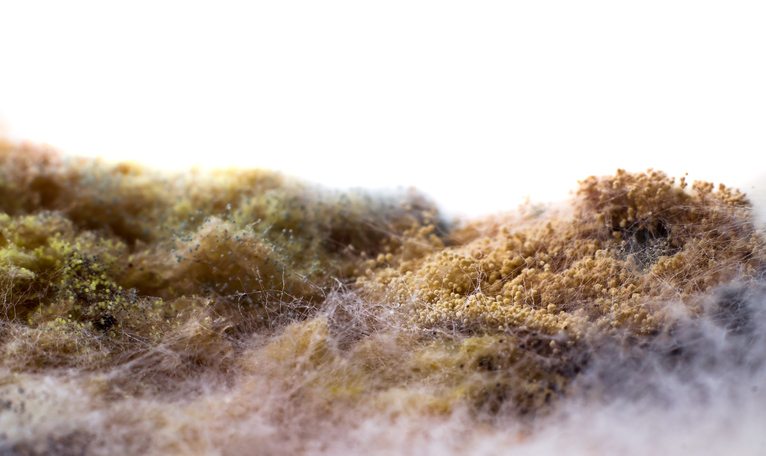
Mold thrives in moist, humid environments. Kitchens, bathrooms, basements, and areas with poor ventilation are particularly susceptible. Common indicators of mold presence include a musty odor, visible spots on walls, ceilings, or floors, and respiratory issues among residents.
Air Purification

One of the most effective ways to kill mold spores in the air is by using air purifiers equipped with HEPA filters. These filters can capture mold spores and other airborne particles, significantly reducing their concentration in indoor air. It’s advisable to run air purifiers continuously, especially in high-risk areas.
Dehumidification
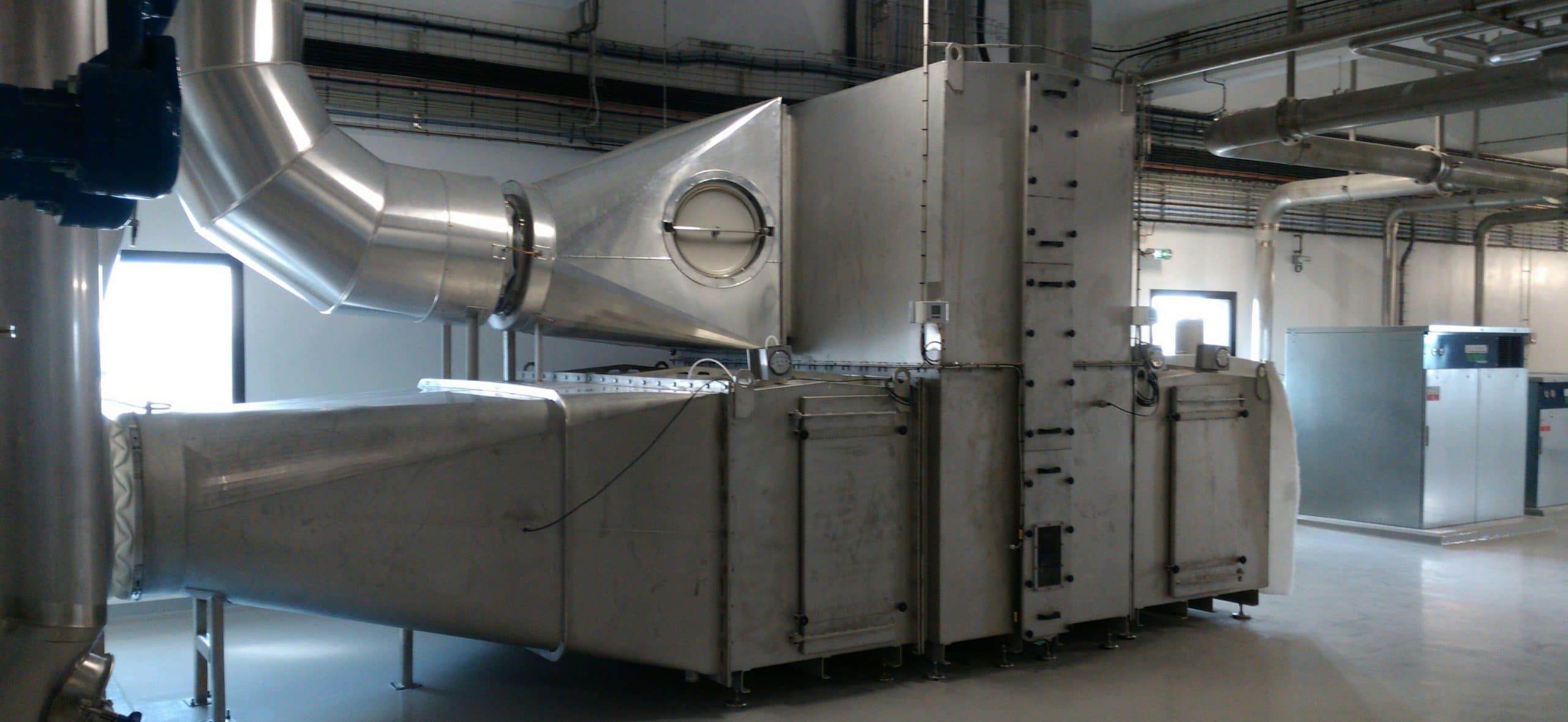
Mold requires moisture to grow, making humidity control crucial. Dehumidifiers help maintain indoor humidity levels below 60%, which is less conducive to mold growth. Place dehumidifiers in damp areas such as basements and bathrooms to keep the environment dry.
Ventilation Improvement

Proper ventilation is essential to prevent mold growth. Ensure that exhaust fans in bathrooms and kitchens are functioning correctly to expel excess moisture. Opening windows and doors to allow fresh air circulation can also help reduce indoor humidity levels.
Cleaning and Disinfection
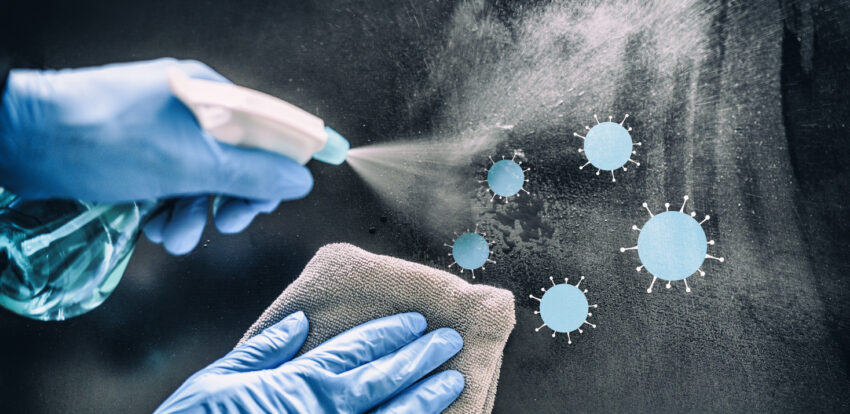
Regular cleaning and disinfection can prevent mold spores from settling and growing. Use mold-killing solutions such as bleach, hydrogen peroxide, or vinegar to clean surfaces prone to mold growth. Focus on areas like shower curtains, bathroom tiles, and windowsills.
Addressing Water Leaks

Water leaks are a primary source of moisture that facilitates mold growth. Regularly inspect plumbing systems, roofs, and windows for leaks. Promptly repairing any leaks can prevent water accumulation and mold proliferation.
Using Mold Inhibitors
Mold inhibitors can be applied to surfaces to prevent mold spores from settling and growing. These inhibitors are available in sprays and paints, which can be used on walls, ceilings, and other susceptible areas.
Regular Maintenance
Regular home maintenance is key to preventing mold growth. This includes cleaning gutters, ensuring proper drainage around the house, and inspecting the HVAC system for any mold presence.
Professional Mold Remediation
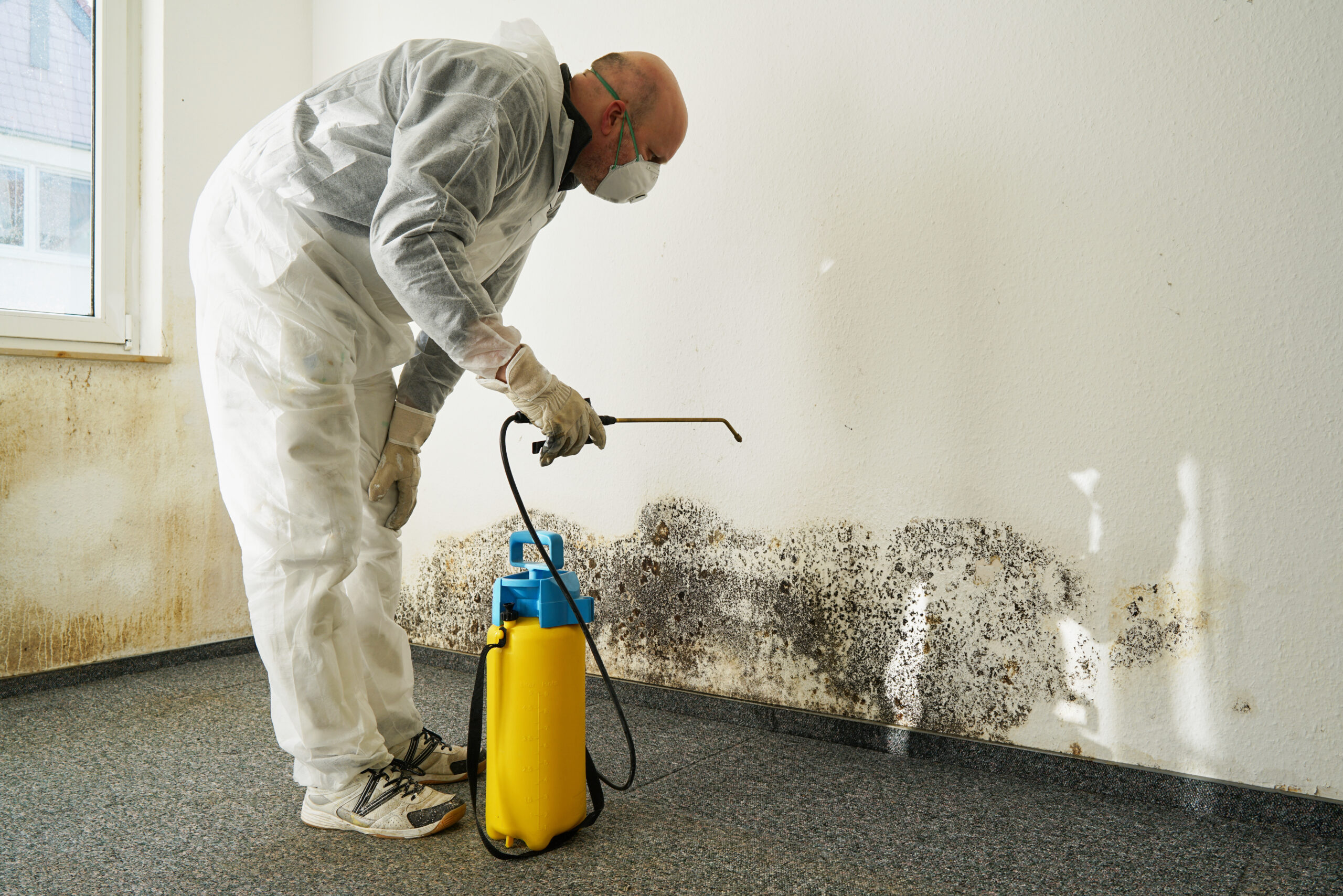
For severe mold infestations, professional mold remediation services are recommended. Experts can assess the extent of the mold problem and use specialized equipment to remove mold spores from the air and affected surfaces.






