The political landscape in West Bengal is witnessing significant shifts as the BJP prepares to appoint Samik Bhattacharya as its new state president, signaling a determined effort to challenge Mamata Banerjee and offer a strong alternative in the 2026 elections. The recent heinous rape incident in Kolkata has provided BJP an opportunity to attack the Trinamool Congress (TMC) for its alleged failure in maintaining law and order. Meanwhile, the Congress, traditionally a major player in Bengal, appears subdued and hesitant, raising questions about its strategy and relevance in the state.
The BJP’s aggressive response contrasts sharply with the Congress’s muted approach. Despite the sensitive nature of the crime and its potential to galvanize public opinion, the Congress has neither organized protests nor taken a visible stand. Instead, the party’s spokesperson Shama Mohamed chose to criticize the BJP for politicizing the issue rather than addressing the core problem. This apparent lack of urgency highlights a disconnect within the Congress ranks, especially as the party’s state chief, Subhankar Sarkar, remained absent from the scene.
Political Calculations and Leadership Changes
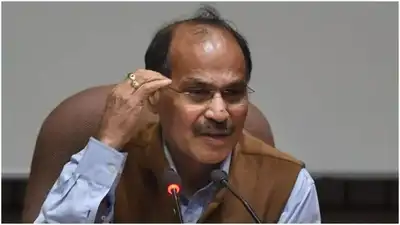
Subhankar Sarkar’s appointment as state president came at the expense of Adhir Ranjan Chowdhury, who was known for his tough stance against Mamata Banerjee. Sarkar is viewed as more conciliatory towards the TMC, signaling Congress’s preference to avoid direct confrontation with Banerjee. Chowdhury, a five-time MP from Berhampore, was never favored by the TMC leadership and was a key irritant for Mamata Banerjee, who actively worked against him during elections. His sidelining by the Congress central leadership—evidenced by the lack of campaign support and public snubbing—reflects a strategic choice to maintain a fragile détente with the ruling party in Bengal.
Despite being marginalized, Chowdhury remains the lone prominent Congress voice criticizing the deteriorating law and order in Bengal. In exclusive remarks, he condemned the state’s “grotesque culture of impunity” and highlighted how women have become the biggest victims amid rising political violence. He lamented the silence of the Congress and expressed frustration over being sidelined, stating that active engagement is necessary to prevent the party’s decline in the state.
Sources suggest Rahul Gandhi prioritizes keeping the BJP at bay over clashing with the TMC, viewing the saffron party as the larger threat. This cautious stance, while aiming to preserve a united front against the BJP, risks alienating grassroots support and undermining Congress’s historic presence in Bengal. Once a dominant force with several influential MPs, the party’s current reliance on alliances with the Left and goodwill towards the TMC threatens to erode its base further.
In the tussle between political pragmatism and assertive opposition, Congress’s sidelining of Chowdhury reflects a broader dilemma: whether to confront Mamata Banerjee aggressively or to play a softer role, risking political marginalization in a crucial state.