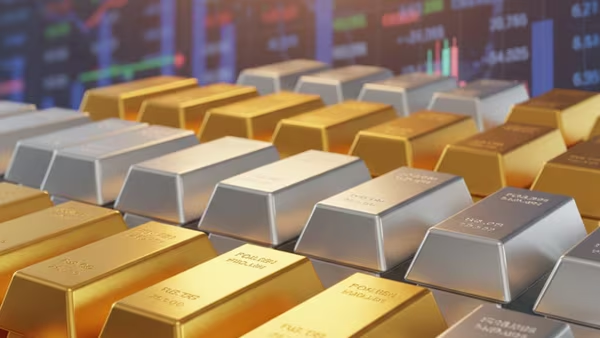
Gold and silver extended their rally on April 24, supported by strong domestic demand and global cues. According to the India Bullion and Jewellers Association, the price of 24-carat gold rose by ₹420 to close at ₹1,51,479 per 10 grams, compared to ₹1,51,059 in the previous session. Silver also witnessed a notable increase, gaining ₹3,229 to reach ₹2,40,596 per kilogram. The surge reflects continued volatility and investor interest in precious metals as safe-haven assets.
Rising Trend in Precious Metals This Year
Gold and silver prices have shown a steady upward trend in 2026, driven by multiple domestic and global factors. Since the beginning of the year, gold has risen by approximately ₹18,000 per 10 grams. On December 31, 2025, gold was priced at around ₹1.33 lakh, and it has now crossed the ₹1.51 lakh mark. This sharp increase highlights strong investor sentiment toward gold amid economic uncertainties and inflationary pressures.
Silver has also followed a similar trajectory, gaining nearly ₹10,000 per kilogram this year. At the end of 2025, silver prices stood at ₹2.30 lakh per kilogram, which have now climbed to ₹2.40 lakh. The rise in silver prices is attributed to both industrial demand and its role as an investment asset.
Despite the current upward trend, both metals have seen corrections from their peak levels earlier in the year. On January 29, gold had reached a high of ₹1.76 lakh per 10 grams, while silver touched ₹3.86 lakh per kilogram. Compared to those peaks, gold is currently cheaper by about ₹25,000, and silver has declined by nearly ₹1.46 lakh. This fluctuation indicates the dynamic nature of commodity markets, where prices are influenced by global economic conditions, currency movements, and geopolitical developments.
The ongoing rally in gold is often linked to its status as a hedge against inflation and currency volatility. Investors typically turn to gold during uncertain times, which increases demand and pushes prices higher. Similarly, silver benefits from both investment demand and industrial usage, particularly in sectors such as electronics and renewable energy.
Factors Driving Gold and Silver Prices
Several factors have contributed to the rise in gold and silver prices in 2026. Global economic uncertainty remains a key driver, as investors seek safer assets to protect their wealth. Inflation concerns and fluctuating interest rates have also played a role in boosting demand for precious metals.
Currency movements, especially the strength or weakness of the US dollar, significantly impact gold prices. A weaker dollar generally makes gold more attractive for international investors, leading to increased demand. Additionally, geopolitical tensions and global market instability often result in higher investments in safe-haven assets like gold and silver.
Domestic factors, including wedding season demand and festive buying in India, also influence gold prices. The cultural significance of gold in India ensures consistent demand throughout the year, particularly during peak buying seasons.
Silver, on the other hand, has a dual role as both an investment asset and an industrial metal. Its demand in manufacturing sectors such as solar panels, electronics, and automotive components has contributed to its price increase. The growing focus on renewable energy has further boosted silver consumption, supporting its upward trend.
Guidelines for Buying Gold Safely
When purchasing gold, buyers need to exercise caution to ensure authenticity and fair pricing. One of the most important aspects is to buy only certified gold. The Bureau of Indian Standards (BIS) hallmark serves as a guarantee of purity and authenticity. This hallmark includes an alphanumeric code that certifies the gold’s quality and carat value.
Another essential step is to verify the price of gold on the day of purchase. Prices vary depending on purity levels such as 24-carat, 22-carat, and 18-carat gold. Buyers should cross-check rates from reliable sources like the India Bullion and Jewellers Association to avoid overpaying.
It is also advisable to check the weight and making charges applied by jewellers, as these can significantly affect the final price. Transparency in billing and proper documentation are crucial to ensure a secure purchase.
How to Identify Genuine Silver
Identifying real silver can be challenging, but a few simple tests can help verify authenticity. The magnet test is one of the easiest methods, as real silver does not stick to a magnet. If the metal is attracted to a magnet, it is likely not pure silver.
Another method is the ice test. Silver has high thermal conductivity, so ice placed on it melts quickly compared to other metals. This property can help distinguish genuine silver from fake alternatives.
The smell test is also useful, as real silver typically has no odor, whereas fake silver may emit a metallic or copper-like smell. Additionally, rubbing silver with a white cloth can reveal its authenticity. Genuine silver often leaves a black mark due to oxidation, which is a natural characteristic of the metal.
These simple checks can help buyers avoid counterfeit products and ensure they are investing in genuine silver.
The continued rise in gold and silver prices reflects broader economic trends and investor behavior. While the current rally offers opportunities for investors, it also underscores the importance of careful purchasing decisions. As market conditions evolve, precious metals are likely to remain a key component of investment portfolios, balancing risk and providing long-term value.