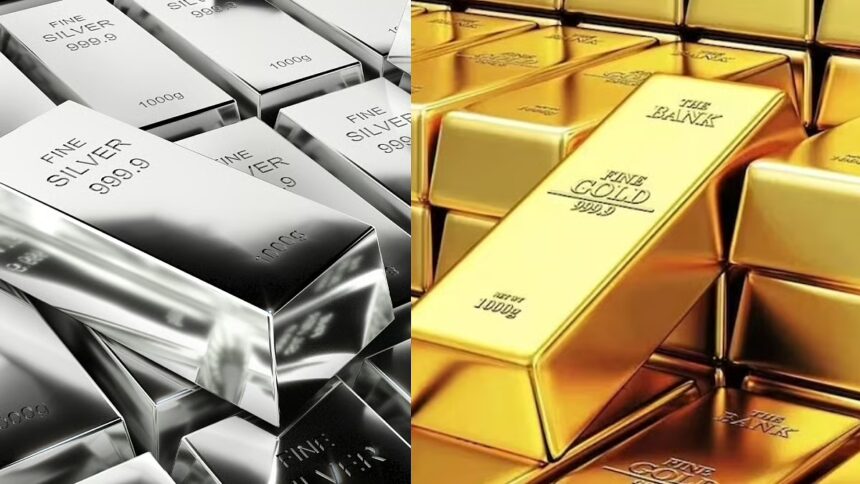
Gold and silver prices witnessed a sharp rise following the announcement of a ceasefire between the United States and Iran, signaling a shift in global market sentiment as geopolitical tensions eased. The development has had a direct impact on bullion markets, with investors recalibrating their strategies amid expectations of lower inflation pressures and potential changes in monetary policy. As uncertainty surrounding the Middle East conflict temporarily subsides, precious metals have once again emerged as a key focus for global investors seeking both stability and opportunity.
Ceasefire impact triggers relief rally in gold and silver markets
The announcement of a temporary ceasefire between the United States and Iran has played a crucial role in driving gold and silver prices upward. The easing of tensions reduced immediate fears of supply disruptions in global energy markets, particularly in critical routes such as the Strait of Hormuz. This led to a decline in oil prices and a softer US dollar, both of which typically support higher prices for precious metals.
Gold prices surged significantly, with futures rising by around 3 to 4 percent and touching near three-week highs, while silver recorded even stronger gains of over 5 to 6 percent. The rally reflects renewed investor interest in bullion as markets respond positively to reduced geopolitical risk and improved global sentiment.
The ceasefire has also influenced expectations around inflation. With oil prices falling sharply after the truce, concerns about energy-driven inflation have eased, making gold more attractive as an investment. Lower inflation expectations often reduce the likelihood of aggressive interest rate hikes by central banks, further supporting the appeal of non-interest-bearing assets like gold and silver.
Global economic signals and investor sentiment drive bullion volatility
While the ceasefire has triggered a strong upward movement in prices, analysts caution that volatility in gold and silver markets is likely to continue. The situation in the Middle East remains fluid, and any escalation or breakdown in diplomatic efforts could quickly reverse current trends.
Investor sentiment is also being shaped by broader economic indicators, particularly signals from the US Federal Reserve regarding interest rates. Expectations of potential rate cuts, combined with a weakening dollar, have contributed to the recent rally in precious metals. At the same time, ongoing global uncertainties continue to reinforce the role of gold and silver as safe-haven assets.
In India, domestic bullion markets have mirrored global trends, with prices rising across major cities. Regional variations persist due to local demand, taxes, and import duties, but the overall trajectory remains upward in line with international markets.
The current surge also highlights the sensitivity of commodity markets to geopolitical developments. Even a temporary easing of tensions can trigger significant price movements, as seen in the immediate reaction following the ceasefire announcement. For investors, this underscores the importance of closely monitoring global events and economic signals when making decisions in the precious metals market.