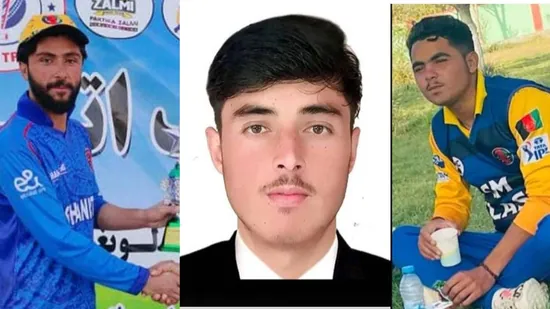
The fragile ceasefire between Afghanistan and Pakistan suffered a severe blow as fresh airstrikes by Pakistan claimed the lives of local Afghan cricketers and civilians, highlighting the volatility of the border situation. Despite both sides extending the truce until the conclusion of peace talks in Doha, the renewed strikes have intensified tensions, led Afghanistan to withdraw from an international cricket series involving Pakistan, and underscored the challenges of enforcing agreements amid long-standing hostilities. The incident, which resulted in the deaths of at least ten people, including three young athletes, has drawn international attention, further complicating efforts to stabilize the region and resume diplomatic dialogue.
Pakistani Strikes Target Afghan Territory and Claim Civilian Lives
The Afghanistan Cricket Board confirmed that three cricketers from the Urgun District of Paktika Province were among the fatalities in the strikes, identifying them as Kabeer, Sibghatullah, and Haroon. These players had returned from a friendly match in Sharana, the provincial capital, and were targeted while attending a local gathering in their home district. In addition to the cricketers, Taliban officials reported that at least ten individuals lost their lives in airstrikes that hit multiple locations in Paktika, including Barmal and Urgun districts, causing widespread civilian casualties and injuries. Reports indicated that the attacks struck residential areas, raising concerns over the proportionality of the military operations and the safety of non-combatants.
The strikes occurred within hours of a truce extension agreement, which had aimed to halt hostilities for 48 hours until the commencement of talks in Doha. While Pakistani officials stated that the ceasefire was negotiated with the Afghan Taliban, who control significant portions of Afghan territory, Afghan authorities argued that the strikes violated the spirit of the agreement, as they targeted civilians and local residents. The Afghan Taliban spokesperson, Zabihullah Mujahid, emphasized that Kabul had instructed its forces to maintain the truce as long as Pakistan refrained from attacks, highlighting the fragile nature of the agreement and the complexity of managing security in border regions with active militant presence.
The Afghanistan Cricket Board announced its withdrawal from the upcoming Tri-Nation T20I series involving Pakistan, expressing deep grief over the loss of life. The ACB described the incident as a “heartbreaking attack” on athletes who had recently participated in a friendly sporting event, condemning the targeting of individuals who were civilians and youth representatives. The decision to withdraw from the series reflects broader concerns about safety and the potential risks posed by ongoing cross-border military operations. Spokespersons from the ACB highlighted the human cost of the strikes, noting that several other residents of Urgun District were injured, and expressed disappointment over the lack of international pressure to prevent such attacks.
Doha Talks Amid Escalating Border Conflict
The renewed strikes came as both Afghanistan and Pakistan prepared to hold talks in Doha, following weeks of escalating border clashes. The two sides had agreed to extend a 48-hour truce to facilitate diplomatic dialogue, with delegations from Pakistan already in Qatar and Afghan representatives expected to arrive shortly. The truce extension was initially prompted by a deadly suicide attack near the Afghan border, which killed seven Pakistani soldiers and injured thirteen others. Pakistani authorities reported that militants had rammed an explosive-laden vehicle into a boundary wall and attempted to storm a security facility in North Waziristan, resulting in a clash that left six attackers dead.
Despite the truce and diplomatic efforts, tensions reignited quickly. Afghan officials reported that Pakistani airstrikes targeted local communities in Paktika, while Pakistani security sources maintained that the operations were focused on Islamist militants using Afghan territory as a staging ground for attacks on Pakistan. This discrepancy in reporting underscores the complex dynamics along the Afghanistan-Pakistan border, where insurgent groups operate transnationally, and civilian populations are frequently caught in the crossfire.
The escalation follows an earlier wave of violence in which both sides engaged in retaliatory strikes. Afghanistan launched air operations in response to alleged Pakistani attacks in Kabul, resulting in significant casualties on both sides. Afghan authorities claimed that these strikes killed dozens of Pakistani soldiers, while Pakistan reported fewer military casualties but claimed substantial losses among Taliban and affiliated militants. The fluctuating casualty figures from both countries highlight the challenges in verifying independent information amid ongoing conflict and military operations.
The border escalation has disrupted daily life, closed key crossings between the two nations, and heightened security concerns for residents along both sides of the frontier. International observers, including diplomatic mediators from Qatar and Saudi Arabia, facilitated temporary halts in fighting, but repeated violations of the truce have undermined confidence in lasting peace. The civilian toll, particularly the deaths of young cricketers, has drawn condemnation from sports communities and human rights organizations, highlighting the broader humanitarian consequences of cross-border hostilities.
\Humanitarian and Political Repercussions
The killing of athletes has intensified scrutiny of Pakistan’s military actions and raised questions about the protection of non-combatants in conflict zones. Afghanistan’s withdrawal from the Tri-Nation T20I series is a notable cultural and diplomatic repercussion, demonstrating how security incidents can impact international engagement and sporting relations. The ACB’s statement emphasized that the cricketers were innocent participants in local sports activities, and the targeting of such civilians undermines trust between nations and complicates peace efforts.
Political reactions in Afghanistan have stressed accountability, with officials highlighting the ethical and legal implications of strikes on civilian populations. The deaths of athletes have been described as not only a national tragedy but also a blow to youth participation and development programs in sports. Taliban representatives noted that maintaining the ceasefire is contingent upon Pakistan’s adherence to agreements and refraining from attacks on non-military targets. The renewed strikes have therefore strained the diplomatic process, potentially delaying negotiations and creating pressure on both sides to establish more enforceable monitoring mechanisms.
The incident has also fueled regional and international discourse about the stability of South Asia, particularly concerning cross-border insurgencies and the role of militant groups operating in Afghanistan. Analysts suggest that recurring violations of ceasefire agreements hinder progress toward durable peace, while the involvement of third-party mediators in Doha underscores the international community’s recognition of the potential escalation risks. Observers have highlighted that without strict adherence to truce conditions, civilian casualties, such as those among the cricketers, may continue to occur, further undermining public confidence in the ability of governments to protect their citizens.
The human dimension of the conflict is starkly illustrated by the losses in Urgun District, where the local community mourned the death of talented young athletes who had contributed to local sports and social cohesion. Reports indicate that the victims had returned from a match in Sharana, emphasizing the indiscriminate nature of airstrikes that fail to distinguish between combatants and civilians. This incident serves as a reminder of the persistent vulnerabilities faced by ordinary Afghans living near border regions plagued by insurgent activity and military retaliation.
The border tensions have had wider implications for regional cooperation, as both Afghanistan and Pakistan grapple with internal security challenges and transnational militant threats. The resumption of hostilities, despite a truce extension, illustrates the fragile nature of negotiated agreements and the difficulty in achieving compliance among armed factions. Doha talks are expected to address mechanisms for preventing further civilian casualties, establishing clearer lines of communication, and ensuring that future ceasefires are respected. However, the continuation of airstrikes amid diplomatic efforts highlights the challenge of translating agreements into actionable restraint on the ground.
The attack has also provoked strong reactions within the international cricketing community, with calls for accountability and measures to ensure the safety of players in conflict zones. Afghanistan’s withdrawal from the Tri-Nation series signifies a temporary setback for the country’s cricketing engagement and serves as a symbolic protest against the targeting of athletes. This withdrawal not only affects bilateral sporting ties but also raises concerns about the broader intersection of security and international sports diplomacy in conflict-affected regions.
In addition to the immediate human and political repercussions, the strikes underscore long-standing issues along the Afghanistan-Pakistan border, including contested territories, insurgent infiltration, and retaliatory operations. Analysts note that without effective monitoring, transparent reporting, and adherence to agreements, such incidents may recur, perpetuating cycles of violence that impact civilians, local governance, and regional stability. The deaths of cricketers, while particularly high-profile, are emblematic of the wider humanitarian costs associated with ongoing military and militant actions in these border areas.
Efforts to sustain a ceasefire and resume dialogue in Doha are therefore critical to prevent further escalation and civilian harm. Both nations face pressure to establish verifiable mechanisms for enforcing the truce, protect innocent lives, and ensure that future negotiations are not undermined by unilateral military actions. International mediators are expected to play a key role in bridging communication gaps, monitoring compliance, and facilitating measures that prevent civilian casualties, including the protection of youth and cultural activities.
The conflict also highlights the interconnectedness of security, diplomacy, and humanitarian concerns. The targeting of young athletes has drawn attention to the ways in which non-combatants, particularly children and youth engaged in social and sporting activities, are disproportionately affected by military operations. These incidents complicate peace-building efforts and demonstrate the urgent need for comprehensive strategies that prioritize civilian safety while addressing legitimate security threats posed by militant groups along the border.
As the Doha talks resume, both Afghanistan and Pakistan face mounting pressure to prevent further civilian casualties, restore confidence in ceasefire agreements, and find a sustainable path toward de-escalation. The tragic deaths of the cricketers have added moral urgency to these negotiations, signaling that beyond strategic and military considerations, human lives remain at the center of diplomatic responsibility. The incident also underscores the role of international observers and the need for transparency in reporting casualties and operational outcomes to prevent misinformation and ensure accountability.