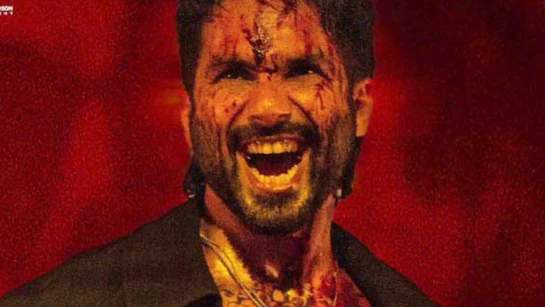
The upcoming film O Romeo has landed in controversy after a legal notice alleging reputational harm linked to character depiction.
Legal Notice Raises Questions Over Alleged Inspiration and Reputation Damage
The much-anticipated Hindi film O Romeo has run into serious legal trouble ahead of its theatrical release after Sanober Shaikh, daughter of Mumbai-based gangster Hussain Shaikh, sent a legal notice to the film’s makers demanding ₹2 crore in compensation. The notice, addressed to director Vishal Bhardwaj and producer Sajid Nadiadwala, alleges that the film presents a distorted and defamatory portrayal of her late father, thereby harming the reputation of her family.
According to reports, Sanober Shaikh has claimed that certain elements in the film, particularly the central character portrayed by Shahid Kapoor, appear to be inspired by her father, Hussain Shaikh, also known by his alias Ustra. She has argued that this resemblance, whether intentional or perceived, projects an inaccurate image that has caused emotional distress and social harm to her and her family. The legal notice reportedly demands that the filmmakers pay ₹2 crore as compensation within seven days and also seeks a halt on the film’s release until the issue is resolved.
The notice was sent shortly after the teaser of O Romeo was released, which triggered widespread speculation across media platforms. Several reports suggested that Shahid Kapoor’s character bore similarities to the real-life gangster, fuelling public discourse and online debates. Although these claims gained traction quickly, the filmmakers have not publicly stated or acknowledged that the character is based on Hussain Shaikh or any real individual. The absence of such a disclaimer, however, has become a focal point of the legal argument raised by Sanober Shaikh.
From a legal standpoint, the controversy highlights the thin line filmmakers often walk when drawing inspiration from real-life figures, especially those with criminal histories. While cinematic storytelling frequently borrows from reality, any perceived resemblance that leads to reputational harm can open the door to defamation claims. In this case, the complainant has maintained that the portrayal goes beyond creative liberty and ventures into misrepresentation, thereby justifying legal intervention.
The demand to stall the film’s release has added urgency to the matter, particularly because O Romeo is scheduled to hit theatres on February 13. A delay or injunction at this stage could have significant financial and promotional consequences for the makers, given the scale of the project and the extensive marketing already underway. The notice has therefore introduced uncertainty around the film’s release plans, even as audiences await an official response from the production team.
Impact on Film’s Release and Spotlight on Its Star-Studded Cast
The legal notice comes at a time when O Romeo has been drawing attention for reasons beyond controversy. The film marks the first collaboration between Vishal Bhardwaj and Sajid Nadiadwala, two influential names in the Hindi film industry known for their distinct creative sensibilities. Their partnership had generated considerable curiosity, with expectations of a film that blends Bhardwaj’s nuanced storytelling with Nadiadwala’s large-scale production approach.
For Shahid Kapoor, O Romeo represents a significant reunion with Vishal Bhardwaj after an eight-year gap. The actor-director duo has previously delivered critically acclaimed films such as Kaminey, Haider, and Rangoon, establishing a creative partnership known for complex characters and intense narratives. Shahid’s return under Bhardwaj’s direction had already raised expectations of a layered performance, making the current controversy even more prominent.
Adding to the film’s appeal is the fresh on-screen pairing of Shahid Kapoor with Tripti Dimri, who will be seen alongside him for the first time. The film also boasts a strong ensemble cast featuring Nana Patekar, Avinash Tiwary, Vikrant Massey, Disha Patani, and Tamannaah Bhatia. With such a diverse lineup, O Romeo has been positioned as a major release in the early part of the year.
The controversy, however, threatens to overshadow the creative aspects of the project. Legal disputes of this nature often draw intense public scrutiny, shifting focus from the film’s narrative and performances to questions of ethics, responsibility, and artistic freedom. For the makers, the challenge now lies in addressing the allegations without escalating the issue further or alienating audiences.
Industry observers note that similar disputes in the past have sometimes been resolved through clarifications, disclaimers, or negotiated settlements. Whether the makers of O Romeo choose to respond publicly, seek legal recourse, or engage in dialogue with the complainant remains to be seen. What is clear is that the situation has placed the film under an unplanned spotlight just weeks before its scheduled release.
As the deadline mentioned in the legal notice approaches, all eyes are on the filmmakers’ next move. The outcome could determine not only the fate of O Romeo but also set a broader example for how Bollywood navigates stories that appear to intersect with real-life figures. Until then, the film remains caught between anticipation and uncertainty, with its creative ambitions now intertwined with a high-profile legal challenge.