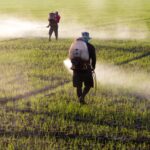
Gautam Buddh Nagar | March 22, 2026 — District Agriculture Protection Officer Vivek Dubey has issued an advisory urging farmers to adopt safer alternatives to the herbicide paraquat, highlighting its serious health and environmental risks.
Guidelines on Paraquat Usage
The advisory has been issued in accordance with government directions regarding the recommended use of herbicide chemicals. Paraquat Dichloride 24% SL has been approved for use in various crops by the Central Insecticides Board and Registration Committee (CIB&RC), Faridabad.
Paraquat is widely used due to its high effectiveness as a non-selective contact herbicide, making it a popular choice among farmers for weed control.
*Health and Environmental Risks*
Despite its effectiveness, officials warned that paraquat is highly toxic to humans and animals. The same properties that make it effective against weeds also make it extremely hazardous.
The chemical can also lead to water contamination, posing long-term environmental risks.
Advisory to Farmers
Farmers have been strongly advised to avoid or limit the use of paraquat and instead adopt safer alternatives for weed management in their crops.
Recommended Safer Alternatives
The department has suggested the following herbicides as safer options:
Glufosinate Ammonium
Carfentrazone-ethyl
Saflufenacil
Flumioxazin–Oxyfluorfen
Pendimethalin
Other pre-emergent herbicides
These alternatives are considered more suitable for crop safety, human health, and environmental protection.
Focus on Sustainable Farming Practices
The advisory emphasizes the importance of adopting safer agricultural practices that balance crop productivity with environmental sustainability and human health.
Farmers have been encouraged to make informed choices while selecting herbicides to ensure long-term benefits.