In a dramatic episode that unfolded onboard IndiGo flight 6E 6571 from Delhi to Kolkata on September 1, 2025, a passenger allegedly under the influence of alcohol was accused of misbehaving with the cabin crew and disturbing fellow passengers. The incident, which quickly escalated into a confrontation between the airline staff and the flyer, culminated in the passenger being declared “unruly” under aviation safety protocols and handed over to security personnel upon arrival in Kolkata. However, the situation became even more complex when the passenger, identified as a lawyer, denied the charges and filed a counter-complaint against the crew, alleging harassment, denial of basic services, and misrepresentation of events. The incident has since triggered a wider debate about inflight conduct, alcohol consumption, religious expression, and the responsibility of airlines to handle disputes sensitively while maintaining order and safety in the air.
The Incident on Board IndiGo 6E 6571
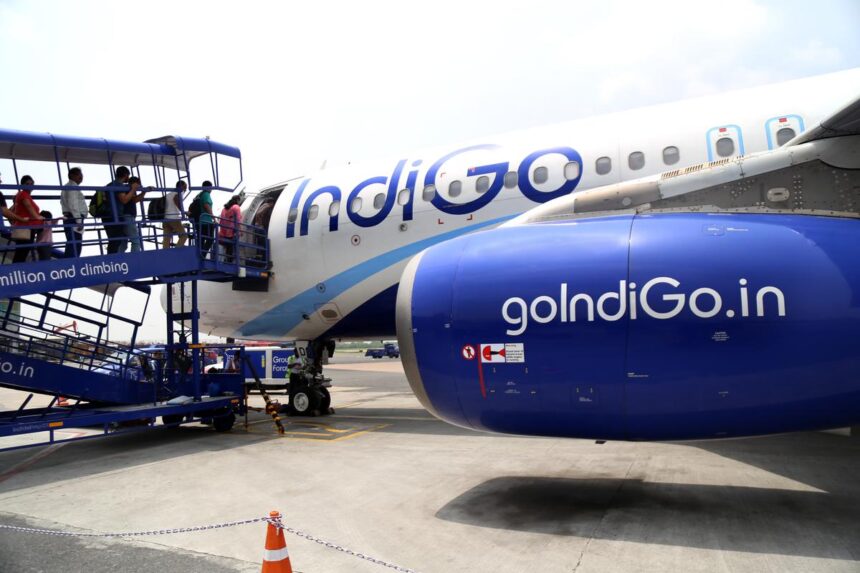
The trouble began even before IndiGo flight 6E 6571 departed from Delhi. According to reports, the aircraft remained stranded on the parking bay at the Delhi airport for nearly three hours due to operational reasons. Such delays often test the patience of passengers, and in this case, they may have added fuel to a volatile situation. Witnesses claim that one passenger seated in row 31D appeared intoxicated when boarding and later displayed erratic behavior.
According to IndiGo’s official statement, the passenger was found misbehaving with the cabin crew and disturbing others on board. The airline clarified that its staff acted in line with established aviation safety protocols, declaring the individual an “unruly passenger.” Once the plane landed in Kolkata, he was immediately handed over to security officials, and a formal complaint was lodged with the authorities.
The crew alleged that the passenger not only consumed alcohol onboard but also tried to instigate others by asking them to chant religious slogans. The complaint stated that after take-off, the passenger attempted to conceal a soft drink bottle, which the crew suspected contained alcohol. His breath was reported to smell of liquor, and when confronted, he allegedly consumed the remaining contents of the bottle hastily in front of the staff. This, the crew said, was a clear violation of airline rules that prohibit passengers from drinking their own alcohol during flights.
Adding to the disturbance, the crew claimed the flyer repeatedly urged co-passengers to join him in chanting “Har Har Mahadev,” a slogan associated with Lord Shiva. While chanting religious phrases is not in itself a crime, doing so in a pressurized cabin environment where passengers are confined can be perceived as provocative or disruptive, especially if combined with signs of intoxication. The crew’s decision to escalate the matter followed what they described as repeated defiance of instructions and continued misbehavior.
IndiGo reiterated its stance through an official spokesperson, stating that the airline has a “zero-tolerance policy towards any form of disruptive or abusive conduct” and remains committed to ensuring a safe, respectful, and inclusive environment for all passengers and crew members. The spokesperson also underscored that the incident had been documented thoroughly, and all actions were taken in accordance with standard operating procedures mandated by India’s Directorate General of Civil Aviation (DGCA).
Counter-Allegations and the Passenger’s Defence
However, the passenger at the center of the controversy presented a very different version of events. Speaking after his detention in Kolkata, he strongly denied the allegations of consuming alcohol onboard the flight and misbehaving with the crew. According to his account, he had indeed consumed a beer at Delhi airport before boarding the aircraft, but he had not carried or consumed any alcoholic beverage during the journey itself. To support his claim, he presented a purchase receipt from the airport lounge, insisting that the crew had fabricated the charges of in-flight drinking.
On the issue of religious chanting, the passenger maintained that he had simply greeted the crew with the phrase “Har Har Mahadev” in a casual, devotional manner, without any intention of creating a disturbance. He argued that such expressions are part of everyday cultural exchanges in India and that interpreting them as aggressive or provocative amounted to a misunderstanding, if not deliberate misrepresentation. According to him, the crew exaggerated his actions and falsely accused him of instigating fellow passengers in order to cover up their own shortcomings during the delayed flight.
The passenger, who is reportedly a practicing lawyer, further alleged that the airline staff denied him basic services, such as timely water and food, and subjected him to unnecessary harassment. He claimed that the crew’s conduct was disrespectful and discriminatory, and that when he questioned their behavior, they retaliated by branding him “unruly” and handing him over to security. In his counter-complaint, he accused the crew of defamation, wrongful restraint, and violation of passenger rights.
This clash of narratives has now placed both the airline and the passenger in a legally contentious situation. While IndiGo insists that it acted strictly according to the law and safety guidelines, the passenger is framing his experience as a case of victimization, raising questions about how such incidents should be fairly adjudicated.
The broader implications of the case are significant. Aviation experts note that airlines worldwide are grappling with a rise in “air rage” incidents, fueled by long delays, crowded cabins, alcohol consumption, and heightened sensitivities around cultural and religious expression. According to DGCA guidelines, any act that threatens the safety of passengers, crew, or the aircraft itself qualifies as unruly behavior, warranting immediate disciplinary measures. At the same time, passengers also retain rights against arbitrary or discriminatory treatment by airline staff, creating a delicate balance that regulators and courts must often interpret.
The IndiGo incident highlights this tension vividly. If the passenger’s account is true, then the invocation of a religious chant was unfairly criminalized and an isolated act of greeting was turned into a confrontation. On the other hand, if the crew’s version holds, then a potentially intoxicated passenger deliberately escalated tensions on board by disregarding flight rules, concealing alcohol, and disturbing the cabin environment. Both scenarios pose different but equally important challenges for India’s aviation ecosystem: the need to enforce discipline without infringing upon legitimate cultural expression, and the importance of upholding passengers’ dignity without compromising onboard safety.
Beyond the immediate legal dispute, the incident has sparked debates on social media and in public discourse about the appropriate limits of personal behavior in shared spaces like aircraft cabins. Some commentators argue that chanting “Har Har Mahadev” is no different from saying “Jai Hind” or “Good Morning” and should not have been treated as provocative. Others counter that in the tense atmosphere of a delayed flight, amplified by alcohol consumption, even routine expressions can take on disruptive overtones.
The case is also likely to reignite discussions about alcohol policies in Indian aviation. While airlines are permitted to serve alcohol to passengers on international flights, the consumption of self-brought liquor onboard is strictly prohibited under Indian law. Domestic flights in India do not serve alcohol at all, making the crew’s suspicion of hidden liquor a serious charge. The passenger’s insistence that he only drank before boarding may not be sufficient to clear him if evidence suggests otherwise. Ultimately, security agencies and aviation regulators will have to examine the CCTV footage, crew reports, and passenger testimonies to ascertain the truth.
As investigations proceed, the incident remains a reminder of the fragile balance that exists inside an aircraft cabin, where hundreds of individuals share a confined space for hours, relying on mutual respect and discipline to ensure safety. Disruptions, whether fueled by alcohol, frustration over delays, or misunderstandings about cultural expressions, can quickly escalate into conflicts with legal consequences. IndiGo’s invocation of its zero-tolerance policy and the passenger’s counter-allegations together illustrate how inflight disputes can transform into broader controversies, touching upon issues of safety, rights, religion, and corporate accountability.