US President Donald Trump has once again pushed the Middle East closer to the edge of a dangerous military escalation after revealing that the United States was “an hour away” from launching fresh attacks on Iran. The explosive remarks, delivered during a tense moment in ongoing diplomatic negotiations, have intensified fears of another large-scale conflict that could destabilise global energy markets, disrupt international trade routes and deepen geopolitical tensions across the region.
Trump’s latest warning came as negotiations between Washington and Tehran remain deadlocked over the future of Iran’s nuclear programme, regional military activities and long-term peace arrangements. While the US President suggested that diplomacy was still possible, his repeated warnings of imminent military action underscored how fragile the current ceasefire situation has become.
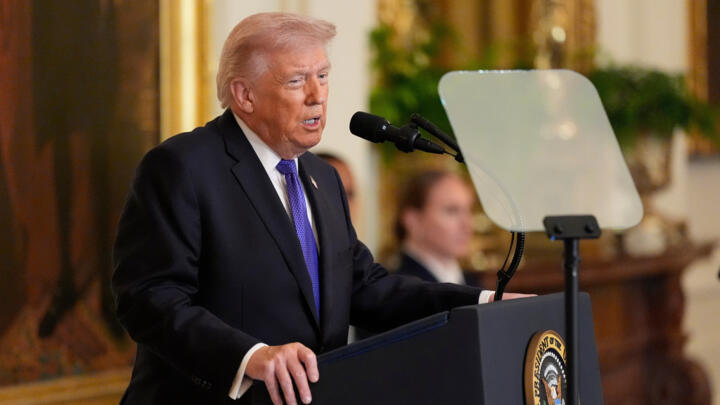
Speaking to reporters at the White House, Trump declared that the United States had fully prepared for a “very major attack” against Iran before temporarily stepping back following requests from Gulf nations including Qatar, Saudi Arabia and the United Arab Emirates. According to Trump, military operations could resume within days if Tehran fails to move toward an agreement acceptable to Washington.
The dramatic statement immediately triggered intense international attention, with analysts warning that renewed conflict between the United States and Iran could have severe global consequences far beyond the Middle East.
Diplomatic Deadlock Pushes Region Toward Crisis
The current standoff reflects months of escalating tensions between Washington and Tehran. Although a ceasefire formally came into effect on April 8, negotiations since then have produced little meaningful progress.
The United States continues to demand strict limitations on Iran’s nuclear ambitions, missile programmes and regional influence. Iran, meanwhile, insists that sanctions relief, security guarantees and recognition of its sovereignty remain non-negotiable conditions for any lasting settlement.
Trump’s remarks indicate growing frustration within the American administration over the slow pace of negotiations. His statement that “the clock is ticking” for Iran added to concerns that Washington may once again prioritise military pressure over diplomatic engagement.
Political observers believe the latest comments were carefully designed to increase pressure on Tehran while simultaneously reassuring American allies in the region that the United States remains prepared to act militarily if required.
However, critics warn that such aggressive rhetoric could further complicate already fragile negotiations and increase the possibility of miscalculation by either side.
Nuclear Concerns Continue To Dominate US Position
A central issue driving the confrontation remains Iran’s nuclear programme. Trump repeated his long-standing claim that Iran cannot be allowed to possess nuclear weapons under any circumstances.
The US President argued that Iranian leadership is “extremely radicalised” and suggested there was “no question” Tehran would use nuclear capabilities if it acquired them. These comments reflect deep concerns within Washington and among several Middle Eastern allies regarding Iran’s expanding nuclear infrastructure.
Iran has consistently denied seeking nuclear weapons and maintains that its nuclear activities are intended for peaceful civilian purposes. Tehran has also accused the United States of violating previous agreements and using sanctions as political leverage.
Despite international mediation efforts, trust between the two sides remains extremely limited. Analysts say the absence of direct sustained diplomatic engagement has created an atmosphere where military threats increasingly overshadow negotiations.
Gulf Nations Attempt To Prevent Another Regional War
One of the most striking revelations from Trump’s statement was his admission that Gulf countries played a major role in persuading Washington to postpone military action.
According to Trump, leaders from Saudi Arabia, Qatar and the United Arab Emirates urged the United States to delay attacks on Iran to allow additional time for negotiations. The intervention highlights growing concern among Gulf nations that another military conflict could devastate the region economically and politically.
For Gulf economies heavily dependent on energy exports and stable trade routes, even a short conflict involving Iran could create enormous disruption. Regional governments fear attacks on oil infrastructure, shipping lanes and strategic facilities.
Diplomatic experts believe Gulf states are attempting to balance their security partnerships with Washington while simultaneously avoiding a prolonged regional confrontation that could spiral out of control.
Strait Of Hormuz Remains Global Flashpoint
The geopolitical stakes remain particularly high because of Iran’s strategic control near the Strait of Hormuz, one of the world’s most critical energy corridors.
A significant percentage of global oil shipments passes through the narrow waterway every day. Any military confrontation involving Iran could threaten maritime traffic, trigger oil price spikes and disrupt international energy supply chains.
Iran has maintained a strong military posture around the Strait of Hormuz throughout the current crisis. Simultaneously, the United States has expanded naval deployments and tightened monitoring around Iranian ports and maritime activities.
Security analysts warn that even a limited military exchange could rapidly escalate into broader regional instability affecting multiple countries and international shipping operations.
Trump’s Political Strategy Under Global Spotlight
Trump’s latest remarks also carry major domestic political implications. As the United States approaches another heated election cycle, national security and foreign policy remain central campaign issues.
Supporters argue Trump’s aggressive posture demonstrates strength and deterrence against adversaries. They believe firm military pressure is necessary to prevent Iran from expanding its regional influence and nuclear capabilities.
Critics, however, accuse Trump of escalating tensions recklessly while undermining diplomatic solutions. Opposition leaders and several foreign policy experts warn that renewed military action could drag the United States into another prolonged Middle Eastern conflict with unpredictable consequences.
The debate reflects broader divisions within American politics over how Washington should approach adversaries such as Iran, particularly after years of costly military engagements in the region.
Global Markets React To Rising Tensions
Financial markets and energy analysts are closely monitoring developments as fears of renewed conflict continue to grow. Oil prices have already shown signs of volatility following Trump’s remarks.
Any major military strike involving Iran would likely trigger immediate reactions across global commodity markets, shipping industries and financial systems. Investors remain concerned about supply disruptions, inflationary pressures and broader instability in international trade.
Asian and European governments are also watching the situation carefully because many economies remain heavily dependent on uninterrupted Middle Eastern energy supplies.
Diplomatic channels involving European powers, regional governments and international organisations are expected to intensify in the coming days as efforts continue to prevent further escalation.
Fragile Peace Faces Uncertain Future
Despite Trump’s warnings, diplomatic observers believe both Washington and Tehran still recognise the catastrophic risks associated with full-scale war. However, repeated military threats, expanding naval deployments and stalled negotiations continue to create an increasingly dangerous environment.
The coming days may prove decisive for the future of US Iran relations. If negotiations fail to produce visible progress, the possibility of renewed military action could increase sharply.
For now, the world remains focused on whether diplomacy can survive amid growing pressure, mistrust and geopolitical confrontation.
Trump’s declaration that the United States was “all set” for fresh strikes has transformed an already tense standoff into one of the most closely watched international crises of 2026.