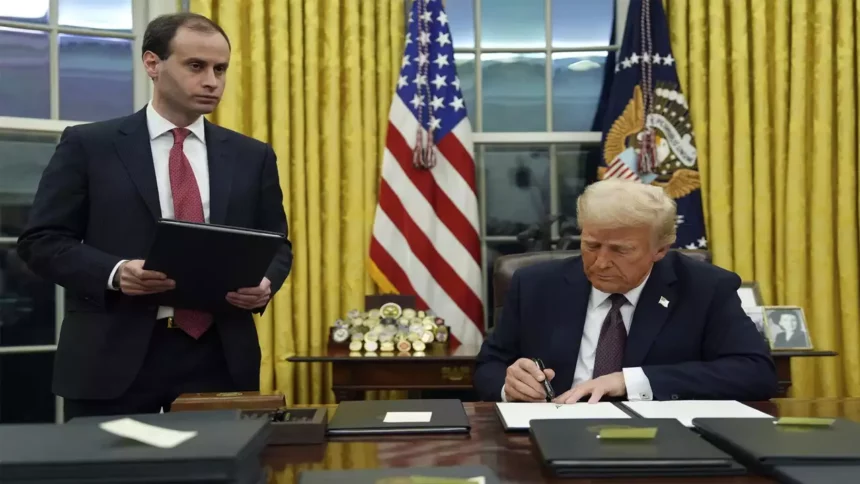
In a significant move, the administration of President Donald Trump has ordered federal agencies to start terminating staff involved in diversity-related programs, escalating the ongoing right-wing overhaul of federal policies. This directive, issued on Friday, follows an earlier decision to place these employees on paid leave earlier in the week. The shift marks another step in Donald Trump’s aggressive push to dismantle policies aimed at combating discrimination, such as racism and sexism, as part of his broader agenda to reshape the federal government’s approach to diversity, equity, and inclusion (DEI).
The U.S. Office of Personnel Management sent out a memo stating that each agency, department, or commission head must take action to terminate, “to the maximum extent allowed by law,” all offices and positions related to DEI, DEIA (Diversity, Equity, Inclusion, and Accessibility), and “environmental justice” within 60 days. This directive has been seen as a direct attack on the very initiatives designed to address systemic inequalities within the federal workforce and the broader society.
Earlier in the week, Donald Trump had instructed heads of government agencies to submit written plans outlining how they would reduce the number of employees working in DEI offices, with the goal of having these plans in place by the close of business on Friday. The new memo not only focuses on DEI positions but also introduces the concept of “environmental justice” into the equation, which had not been a significant part of the previous directives. The Environmental Protection Agency’s website describes environmental justice as “the just treatment and meaningful involvement of all people, regardless of income, race, color, national origin, Tribal affiliation, or disability, in agency decision-making and other Federal activities that affect human health and the environment.”
This latest move is part of a wider effort by Donald Trump to undo policies he deems to be too progressive or radical, especially those addressing race and gender equality. Donald Trump has long criticized DEI policies, accusing them of unfairly benefiting minority groups at the expense of white individuals, particularly white men. His administration has also taken aim at the federal government’s approach to gender diversity, including the recognition of transgender individuals and the protection of transgender rights. Trump has repeatedly attacked the inclusion of transgender women in sports and opposed gender-affirming care for children, framing these issues as a threat to traditional values.
The Donald Trump administration’s actions in these areas have sparked intense debate across the political spectrum. Supporters argue that the president is simply restoring fairness to a system that they believe had gone too far in favoring marginalized groups, while critics see these measures as a blatant attempt to roll back progress on civil rights and gender equality. The decision to end “radical” affirmative action programs related to federal contracts has also been a key part of Donald Trump’s strategy. He revoked a longstanding order, implemented during the civil rights era in the 1960s, which was intended to combat racial inequality in federal contracting and employment.
Donald Trump has also promised to eliminate policies that support the transgender community, stating that the U.S. should officially recognize only two genders. This push to eliminate diversity and inclusion programs within the federal government is seen by many as a further extension of his broader culture war, where he attempts to reshape social policies to reflect his conservative, nationalist views.
In previous executive orders, Donald Trump required federal department and agency heads to actively seek out and eliminate any efforts to disguise DEI programs through “coded or imprecise language,” suggesting that there may be hidden agendas behind the continued push for diversity initiatives. This directive has raised concerns about potential overreach and the chilling effect these policies could have on federal employees who work in areas related to civil rights and diversity.
As the deadline for terminating DEI staff nears, federal agencies are bracing for potential upheaval in their diversity programs, which have been seen as vital to addressing the historic inequities faced by minority groups. Critics of Donald Trump’s latest moves argue that these measures will reverse years of progress made in ensuring equal opportunities for people of color, women, and the LGBTQ+ community within the federal workforce. As these changes are implemented, the broader implications for diversity policies in private corporations and state governments remain uncertain.
The political ramifications of this decision are expected to be felt far beyond the walls of the federal government. Donald Trump’s actions are likely to fuel further polarization on issues of race, gender, and identity, contributing to the ongoing debate over what constitutes equality and fairness in America. His critics see the firing of diversity staff as a direct attack on civil rights, while his supporters view it as a necessary correction to what they perceive as an overreach of progressive policies.
In the coming months, this policy shift will likely become a central issue in the broader national conversation about the role of government in shaping social policies. As Donald Trump continues to push for these changes, the impact on federal agencies, as well as the social fabric of the country, will be closely monitored. The president’s stance on diversity, equity, and inclusion is expected to remain a defining issue in his administration’s approach to governance, shaping the political landscape for years to come.