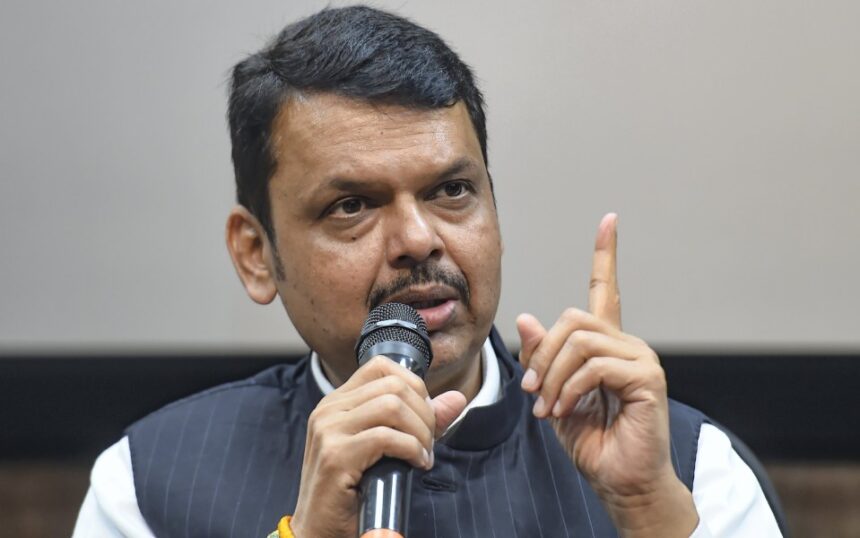
Maharashtra Chief Minister Devendra Fadnavis has shed light on the behind-the-scenes events that led to the dramatic breakup of the BJP-Shiv Sena alliance in 2014. Speaking at a felicitation ceremony for Sikkim Governor Om Prakash Mathur, Devendra Fadnavis detailed the crucial discussions and turning points that ultimately led to the split between the two long-time allies.
According to Devendra Fadnavis, the BJP was prepared to offer Shiv Sena 147 seats in the assembly elections, with an understanding that the Chief Minister would be from BJP while the Deputy Chief Minister would be from Shiv Sena. However, differences emerged when Shiv Sena, led by Uddhav Thackeray, insisted on contesting 151 seats, leading to an impasse in negotiations.
Devendra Fadnavis stated that the initial talks between the two parties had indicated a mutual agreement, but Shiv Sena’s rigid stance on seat-sharing created a deadlock. “We were ready to accommodate Shiv Sena and even offer them a better deal, but Uddhav Thackeray was firm on contesting 151 seats. This refusal to compromise ultimately led to the alliance’s breakdown,” he explained.
The BJP had proposed a seat-sharing formula where Shiv Sena would contest 147 seats while BJP would contest 127. However, Thackeray remained steadfast in his demand for 151 seats, making it impossible for both parties to reach a consensus.
Devendra Fadnavis also revealed the role of senior BJP leaders in the negotiations. He shared that Om Prakash Mathur was in direct communication with BJP leader Amit Shah, who, in turn, escalated the issue to Prime Minister Narendra Modi. “Amit Shah discussed the matter with the Prime Minister, and it was decided that if the seat-sharing formula was 127 for BJP and 147 for Shiv Sena, then the alliance could continue. Otherwise, it would not work,” Devendra Fadnavis disclosed.
Despite BJP’s willingness to negotiate, Thackeray remained firm on his demand, and the alliance eventually collapsed. Reflecting on the moment, Devendra Fadnavis said, “I had full faith in Amit Shah and Om Prakash Mathur. We were confident that we could win the elections, but others in the party were not as optimistic.”
Following the breakdown of the alliance, BJP made a bold decision to contest a record number of seats in Maharashtra. “We contested over 260 seats, which had never been done before. Until then, BJP had never fought more than 117 seats in Maharashtra elections,” Devendra Fadnavis said. He credited this strategy, along with the leadership of Narendra Modi and Amit Shah, for BJP’s resounding success in the state.
The decision to contest independently paid off, with BJP emerging as the single largest party in Maharashtra. “Since then, BJP has remained the dominant political force in Maharashtra and the only party in the last 30 years to surpass the 100-seat mark,” he added.
Devendra Fadnavis concluded by stating that the 2014 elections reshaped Maharashtra’s political landscape, positioning BJP as the leading party in the state. His revelations provide fresh insights into the political maneuvering that led to the BJP-Shiv Sena split, a decision that continues to impact the state’s politics today.