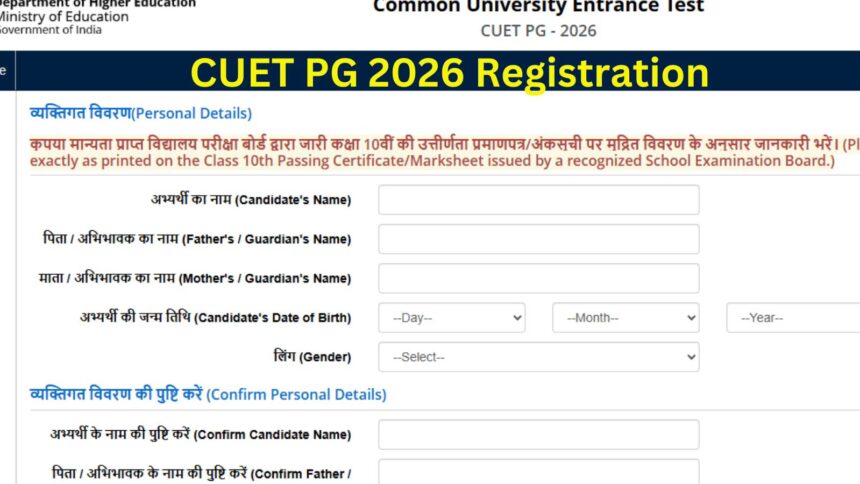
The Common University Entrance Test for Postgraduates (CUET-PG) 2026 has seen a significant update as the National Testing Agency extended the registration deadline and postponed the examination dates to accommodate a larger number of applicants. This change comes amid concerns that many students were unable to complete their applications due to technical issues and other challenges. The extension aims to give aspirants additional time to register, make corrections, and finalise their choices for universities and programmes they wish to join. As postgraduate admissions across central, state and private universities increasingly hinge on CUET-PG scores, the revised schedule is expected to be a relief for thousands of candidates planning to pursue advanced studies this academic year.
Unforeseen challenges prompt extension of CUET-PG registration and schedule adjustments
The original registration window for CUET-PG 2026 was set with a fixed timeline, but a surge in applications combined with persistent technical difficulties on the official portal led to growing complaints from students and parents. Many aspirants reported logging in only to face delays, submission errors or payment gateway disruptions, triggering anxiety and uncertainty about their chances of submitting on time. In response to these widespread concerns, the National Testing Agency intervened, reviewing the situation and deciding that more time was necessary to ensure equitable access to the examination process.
Officials from the NTA acknowledged that the agency received numerous requests for relief from students and stakeholders across the country. Recognising the high stakes involved — as postgraduate admissions to reputed universities now depend on CUET-PG results — the authority opted to extend the last date for registration and allow candidates to make changes to their already submitted forms. This decision was welcomed by academic communities and student groups, many of whom had been vocal about the need for a fair and inclusive registration process.
As part of the revised timeline, the CUET-PG 2026 exam dates have also been postponed. The National Testing Agency specified a new schedule to ensure that all registered candidates have sufficient preparation time after registering and making any necessary corrections to their applications. This adjustment has been seen as a positive move to align candidates’ readiness with administrative requirements, reducing the rush that typically accompanies high-stakes entrance exams.
Universities participating in the CUET-PG framework — which includes central universities and numerous state and private institutions — have broadly supported the extension. Many university officials explained that the change will help reduce irregularities and mismatches in applications, leading to a smoother admission cycle. With centralised counselling and seat allocation processes tied to CUET-PG scores, accurate and complete registrations are essential for ensuring that students are placed in their chosen programmes without avoidable delays.
Students preparing for postgraduate studies have reacted with relief, citing mixed feelings of stress and hope. While entrance exams are inherently competitive, the extension gives candidates a chance to refine their choices, confirm eligibility criteria, and secure necessary documents ahead of the revised deadlines. For many aspirants, especially those balancing other academic commitments or emerging from challenging educational environments, the extension offers a more level playing field.
The National Testing Agency also introduced dedicated helpline support and additional guidance resources to help applicants navigate the extended registration window. Online tutorials, FAQs and customer support services were ramped up to address common questions about form submission, document uploading and technical troubleshooting. These efforts were aimed at smoothing the registration experience, minimising errors, and ensuring that students do not lose opportunities over avoidable technical hurdles.
Impact on postgraduate admissions and future preparations for CUET-PG candidates
The postponement of the CUET-PG exam dates has implications beyond just administrative calendars. With the new timeline, students can recalibrate their preparation strategies, balancing revision with final application steps. Coaching institutes and academic mentors have also welcomed the change, noting that candidates can now approach exam readiness with greater confidence, rather than being rushed to meet an unadjusted schedule.
Education experts have weighed in on the broader significance of the extension, pointing out that entrance exam authorities must remain responsive to candidate feedback, especially when system issues impede access. In a landscape where competitive exams play a pivotal role in shaping academic futures, ensuring that registration processes are fair, reliable and user-friendly is crucial. The NTA’s decision to extend the deadline is viewed by many as a step in the right direction, reflecting a more candidate-centric approach to examination administration.
For universities, the extended registration period and delayed exams also allow better alignment of admission cycles. Coordinated timelines help institutions plan entrance testing logistics, counselling schedules, and subsequent academic sessions in a way that reduces pressure on administrative staff and students alike. The synchronisation of schedules across multiple universities using CUET-PG scores is a complex task, and the extension is expected to mitigate last-minute rushes that can lead to logistical issues.
Moreover, the announcement has prompted discussions about future improvements to the CUET-PG process, including potential upgrades to the online portal, increased server capacity during peak registration periods, and more proactive communication with candidates. Students and educators alike are hopeful that lessons learned from the 2026 registration cycle will pave the way for smoother operations in upcoming years, enhancing trust in the centralised exam system.
Aspiring postgraduate students have taken to social media and educational forums to share tips, seek clarification, and encourage peers to use the extended window wisely. Community support has grown around study groups, online revision sessions and collective problem-solving, reflecting the collaborative nature of preparation in competitive exam environments. The extended timeline has not only eased pressure but also fostered a sense of solidarity among candidates facing similar challenges.
The ripple effects of the registration extension will likely be seen through the entire admission cycle, from application verification to counselling and final enrolment. With accurate registrations and improved readiness, stakeholders are optimistic that the postgraduate admission process will proceed with fewer disruptions and greater transparency. This development underscores the importance of adaptability and responsiveness in education administration, especially as centralised tests like CUET-PG play an increasingly defining role in higher education access across India.