Cuba Intensifies War Preparations Amid Rising US Tensions and Security Fears
Cuba has entered a heightened state of national alert amid rapidly escalating tensions with the United States, triggering widespread emergency preparedness exercises, civil defence mobilisation and guerrilla-style military training across the island nation. The developments come after a rare and highly sensitive visit to Havana by CIA Director John Ratcliffe, a move that has intensified speculation about deteriorating relations between the longtime geopolitical rivals.
Cuban authorities have reportedly instructed state institutions, local defence committees and public offices to remain prepared for emergency scenarios as concerns over a potential confrontation continue to grow. Civil defence drills and military preparedness programmes are now being conducted in several cities, reflecting what analysts describe as one of the most serious periods of political tension between Washington and Havana in recent years.
The situation has unfolded against the backdrop of Cuba’s worsening economic crisis, prolonged fuel shortages and growing public frustration over blackouts and supply disruptions. Officials in Havana insist the emergency measures are precautionary, but the scale of mobilisation has fueled international concern about the possibility of deeper geopolitical escalation in the Caribbean region.
Recent reports confirmed that Ratcliffe held meetings with Cuban officials during his visit to Havana, where discussions reportedly focused on political reforms, economic restructuring and future bilateral engagement. Cuban officials, however, strongly rejected allegations that the country poses a direct threat to US national security.
Guerrilla Warfare Doctrine Returns to National Focus
Cuban state media has extensively broadcast images and footage of civilians participating in military-style exercises under the “war of the entire population” doctrine originally introduced by revolutionary leader Fidel Castro during the Cold War era.
The doctrine is based on preparing ordinary citizens to resist foreign military intervention through decentralized guerrilla resistance and coordinated civil defence structures. The strategy has historically served as a core pillar of Cuba’s national defence philosophy.
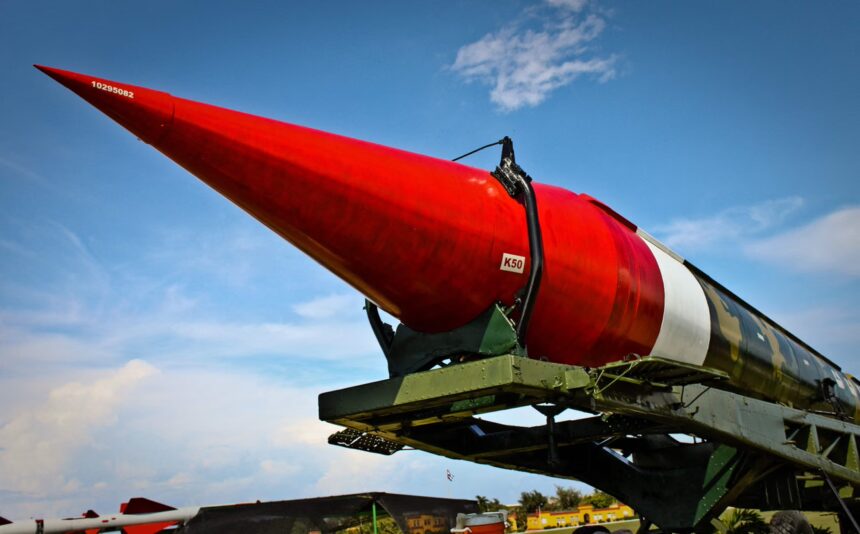
Training programmes currently underway reportedly include tactical movement exercises, weapons handling, emergency coordination and local defence operations. Several state television broadcasts showed soldiers and volunteers training with aging Soviet-era military hardware, including anti-aircraft systems and transport vehicles adapted to operate despite severe fuel shortages.
One particularly symbolic image widely circulated online showed military equipment being transported using oxen due to fuel scarcity — a scene that many observers said reflected both Cuba’s economic hardship and its determination to maintain defensive readiness under difficult conditions.
Military experts note that although Cuba lacks access to modern large-scale military capabilities, the country retains strong mobilization potential through its extensive civil defence network and centralized emergency response structure.
Analysts also point out that Cuba has repeatedly demonstrated an ability to coordinate large-scale public mobilization during hurricanes, natural disasters and national emergencies. That organizational capacity, experts say, could potentially support prolonged defensive resistance if geopolitical tensions escalate further.
The public visibility of these exercises has reinforced concerns among international observers that the Cuban government is attempting to prepare the population psychologically as well as strategically for a prolonged period of confrontation.
Rare CIA Visit Intensifies Diplomatic Anxiety
The visit by CIA Director John Ratcliffe to Havana has become one of the most discussed aspects of the current crisis.
Political analysts described the trip as highly unusual given the decades-long history of mistrust and hostility between the CIA and the Cuban government. According to reports, Ratcliffe met senior Cuban officials to convey demands from the administration of Donald Trump regarding political and economic reforms in exchange for broader diplomatic engagement.
The Cuban leadership has historically viewed the CIA with deep suspicion due to Cold War-era covert operations and longstanding allegations involving assassination attempts against Fidel Castro following the 1959 Cuban Revolution.
Photographs released after the meetings showed American and Cuban officials seated inside a government facility with black curtains drawn over windows, intensifying speculation regarding the seriousness and sensitivity of the discussions.
Foreign policy experts interpreted the visit as a form of pressure diplomacy aimed at increasing leverage over Havana during a period of severe economic vulnerability.
Cuban officials responded sharply to the developments, accusing Washington of attempting to manufacture security narratives in order to justify stronger economic sanctions and international pressure campaigns. Havana has publicly denied posing any military threat to the United States.
The lack of detailed public information about the discussions has only deepened uncertainty regarding the real objectives behind the rare intelligence-level engagement.
Economic Crisis Deepens National Instability
The geopolitical tensions are unfolding at a time when Cuba is already facing one of its most difficult economic periods in decades.
The country has been struggling with worsening fuel shortages, rolling electricity blackouts, declining imports and severe disruptions to essential supply chains. Economic pressures intensified after oil shipments from Venezuela reportedly declined significantly under increasing international pressure and sanctions.
Several foreign fuel shipments intended for Cuba have also faced delays or disruptions, worsening shortages across transportation, healthcare and industrial sectors.
The consequences are visible throughout the island. Long electricity outages have become common in many regions, while fuel shortages have severely disrupted public transportation and logistics networks.
Hospitals in some areas have reportedly postponed non-emergency medical procedures due to shortages of medicine, fuel and essential supplies. Food distribution systems are also facing increasing pressure as transportation costs rise sharply.
On the black market, fuel prices have surged dramatically, making daily economic activity increasingly difficult for ordinary citizens already dealing with inflation and declining purchasing power.
Economic analysts say the worsening crisis is placing Havana under dual pressure: internally from rising public dissatisfaction and externally from mounting geopolitical and economic pressure from Washington.
At the same time, Cuban authorities have increasingly framed the crisis within a nationalist narrative of resistance against foreign coercion and economic warfare.
Historical Rivalry Continues to Shape Relations
The current tensions cannot be separated from the long and complicated history between Cuba and the United States.
Relations between the two countries dramatically deteriorated after the 1959 Cuban Revolution, when Fidel Castro overthrew the US-backed government of Fulgencio Batista and established a socialist state closely aligned with the Soviet Union.
In response, the United States imposed sweeping economic sanctions and diplomatic restrictions that have remained largely in place for decades.
The Cold War period saw repeated episodes of confrontation between Washington and Havana, including the Bay of Pigs invasion, the Cuban Missile Crisis and numerous covert operations allegedly targeting Castro and the Cuban leadership.
Historical records and intelligence reports have long suggested that US agencies explored hundreds of plots aimed at destabilizing or removing the Cuban government during the Cold War.
Although diplomatic relations briefly improved during the presidency of Barack Obama, recent years have witnessed renewed hostility, stricter sanctions and growing political confrontation.
Experts believe the current tensions reflect not only immediate strategic disagreements but also decades of unresolved mistrust deeply embedded in the political identities of both governments.
Uncertainty Grows Over Next Phase of Crisis
Observers say the coming weeks could prove critical in determining whether current tensions move toward negotiation or further escalation.
At present, there is no confirmed evidence suggesting imminent military action. However, the combination of nationwide Cuban defence preparations, escalating rhetoric and increasing diplomatic friction has heightened concern among regional governments and international analysts.
Cuba’s leadership continues to insist that it is prepared to defend national sovereignty under any circumstances while simultaneously calling for an end to economic sanctions and political pressure.
Meanwhile, officials in Washington have maintained demands for political reforms and broader structural changes within Cuba as conditions for deeper engagement.
Diplomatic experts believe both sides are currently engaged in a high-stakes strategic balancing act where public messaging, internal politics and geopolitical calculations are influencing decision-making.
The situation remains highly volatile, with diplomacy likely to determine whether the crisis gradually stabilizes or evolves into a more dangerous geopolitical confrontation.
For now, the revival of wartime preparedness measures in Cuba and the increasingly confrontational atmosphere surrounding US-Cuba relations have once again drawn global attention to one of the world’s longest-running geopolitical rivalries.