The integration of technology into education has transformed the learning and teaching landscape, offering unprecedented opportunities for innovation and improvement. From interactive learning tools to vast online resources, technology has made education more engaging, accessible, and efficient.

Interactive Learning
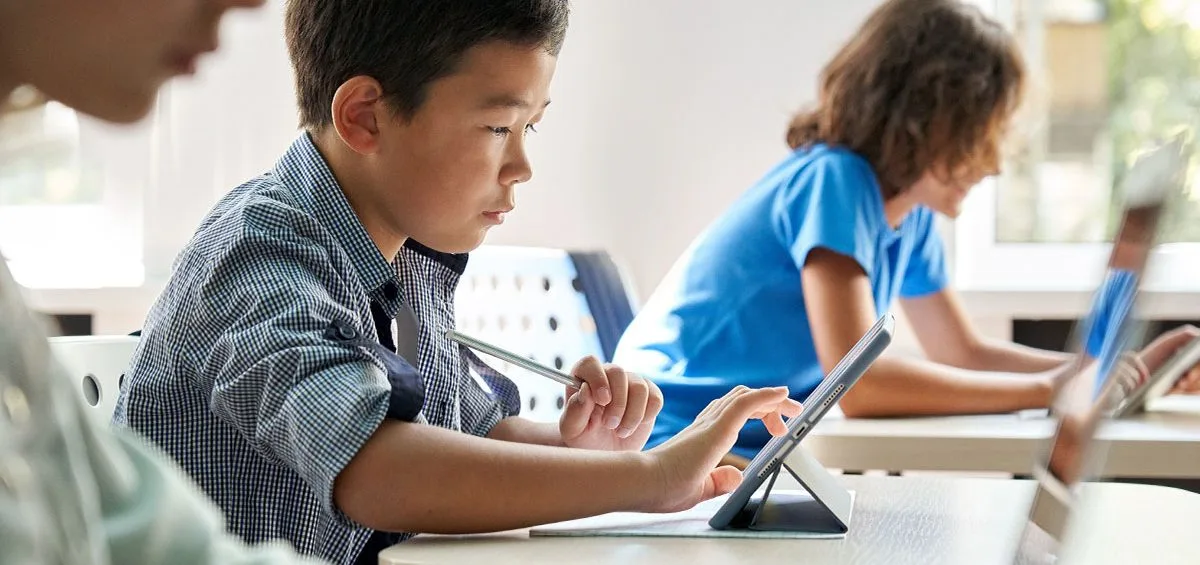
One of the most notable contributions of technology is the enhancement of interactive learning. Digital tools, such as educational software, apps, and multimedia resources, allow students to engage with content in dynamic ways. Interactive simulations and virtual labs make complex concepts more understandable, fostering deeper comprehension and retention.
Accessibility
Technology has broken geographical barriers, providing access to quality education for students in remote and underserved areas. Online education platforms and Massive Open Online Courses (MOOCs) offer a plethora of courses from prestigious institutions, ensuring that education is no longer confined to traditional classrooms. This democratization of education empowers students globally, enabling them to learn at their own pace and convenience.

Personalized Learning
Collaboration
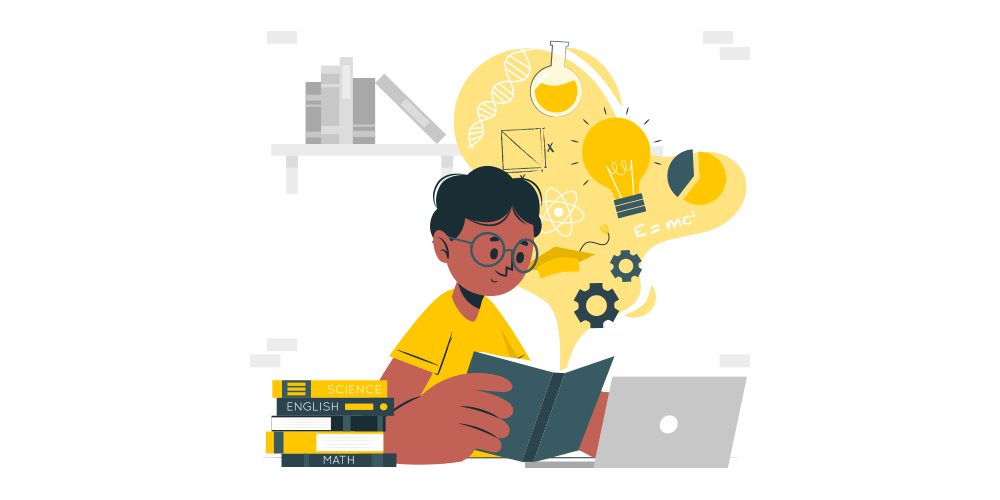
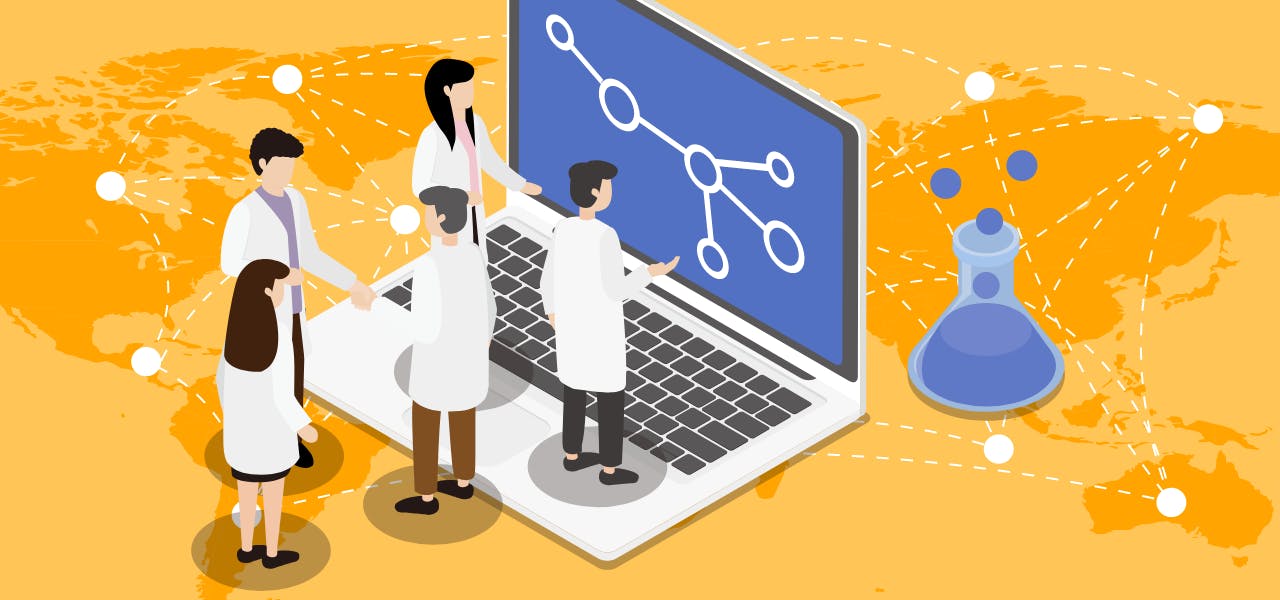
Technology also facilitates enhanced collaboration among students and educators. Online forums, group projects, and video conferencing tools create virtual classrooms where students can work together regardless of physical location. This collaborative approach mirrors modern workplace environments, preparing students for future careers.
Resource Availability
The internet provides an extensive repository of educational resources, including e-books, academic journals, and instructional videos. These resources are readily available, enabling students and teachers to access up-to-date information and diverse perspectives. This wealth of information supports independent research and continuous learning.

Flexibility
The flexibility afforded by technology is another significant benefit. Online courses and virtual classrooms allow students to learn at times that suit their schedules, accommodating different learning paces and lifestyles. This flexibility is particularly beneficial for adult learners and those balancing education with other commitments.

Assessment and Feedback
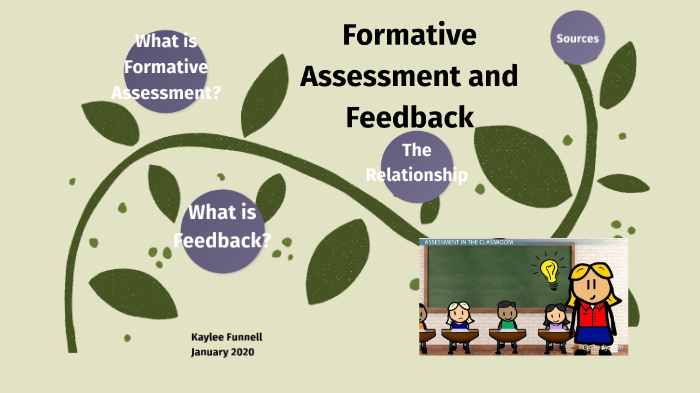
Assessment and feedback technologies provide instant, detailed evaluations of student performance, facilitating timely improvements and personalized learning adjustments.
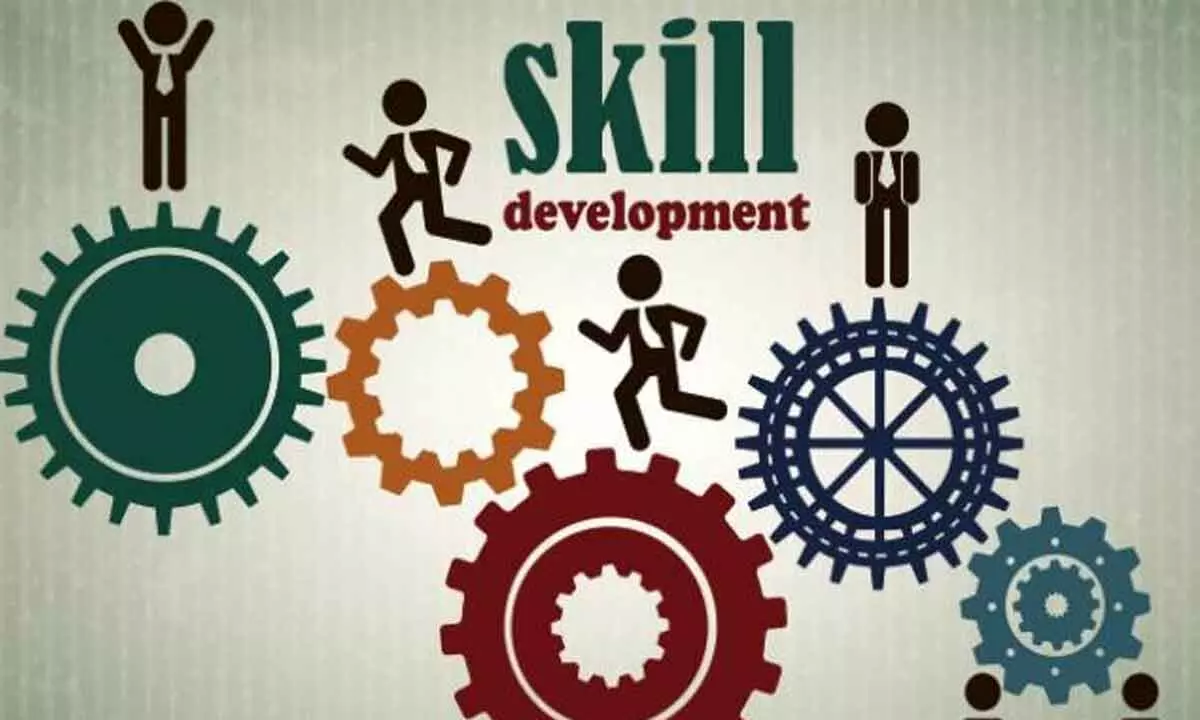
Skill Development
Exposure to technology in education helps students develop essential digital literacy and technical skills. These skills are crucial in a tech-driven world, ensuring that students are well-prepared for the demands of the modern workforce.
Teacher Support
Technology aids teachers in various aspects of their profession, from lesson planning to classroom management. Educational apps and platforms offer resources for professional development, helping educators stay updated with the latest teaching strategies and technologies.

Global Connectivity
Finally, technology connects students and educators worldwide, promoting cultural exchange and global awareness. This connectivity fosters a broader perspective and a deeper understanding of global issues, enriching the educational experience.