The Jammu and Kashmir unit of the Congress party has announced that it will stage protests across various districts on March 9 to oppose the recently discussed India–US trade deal. The announcement was made by the party’s Jammu and Kashmir president, Tariq Hameed Karra, who strongly criticized the agreement and demanded the resignation of Prime Minister Narendra Modi over the issue.
According to party leaders, the protests will be organized at district headquarters throughout Jammu and Kashmir. The demonstration is scheduled to coincide with the beginning of the second phase of the Budget session of Parliament. Congress leaders say the protests aim to highlight what they describe as serious concerns about the impact of the trade deal on the country’s economic interests, farmers, and foreign policy stance.
Speaking at a rally held in the RS Pura border belt of Jammu, Tariq Hameed Karra alleged that the trade agreement with the United States undermines India’s dignity and national interests. He accused the Prime Minister of making concessions under pressure from the United States and claimed that the deal reflects what he described as a “surrender” to US President Donald Trump.
Karra asserted that the Congress party believes the agreement could harm several sectors of the Indian economy, particularly agriculture. He described the deal as “anti-farmer and anti-people,” alleging that it may negatively affect domestic producers and weaken protections for Indian farmers. According to him, the government should prioritize the welfare of farmers and local industries while negotiating international trade agreements.
The Congress leader further alleged that India’s established foreign policy framework has been compromised under the current government. He claimed that the country has lost several international partners and diplomatic allies during the present administration’s tenure. Karra argued that the government’s approach to international relations has weakened India’s standing on the global stage.
During his address, Karra also referred to concerns raised by Leader of Opposition Rahul Gandhi regarding the implications of the trade deal. According to the Congress leadership, the agreement could affect India’s strategic and economic interests if not carefully reviewed. Party leaders say they intend to bring these concerns to public attention through protests and political campaigns.
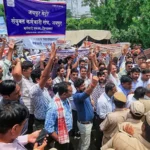
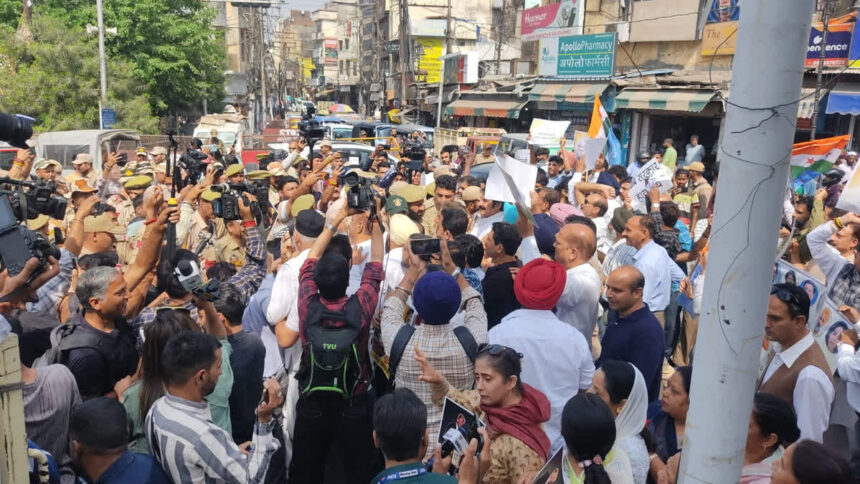
The rally in RS Pura was attended by party workers and supporters who gathered to express their opposition to the proposed agreement. The Congress leadership used the occasion to mobilize its grassroots network ahead of the planned protests across Jammu and Kashmir.
In addition to the protests scheduled for March 9, Karra indicated that the party is planning to organize a political yatra in the region. The proposed yatra would focus on two major issues: opposition to the India–US trade deal and the demand for the restoration of Jammu and Kashmir’s statehood.
The question of statehood has been a major political issue in Jammu and Kashmir since the reorganization of the former state into two Union Territories in 2019. Several political parties in the region, including the Congress, have consistently demanded the restoration of full statehood to Jammu and Kashmir.
Congress leaders say the proposed yatra will serve as a platform to engage with citizens and raise awareness about both the trade deal and the demand for political rights in the region. Party representatives believe that such outreach efforts are necessary to mobilize public opinion and build pressure on the government.
The announcement of the protests also comes at a time when political activity is expected to intensify with the resumption of Parliament’s Budget session. Opposition parties are likely to raise a number of issues related to economic policies, foreign relations, and governance during the parliamentary proceedings.
Within this broader political context, the Congress party’s protest campaign against the India–US trade deal is expected to become part of a wider debate about trade policies and their impact on domestic industries and agriculture. Party leaders say they will continue to raise the issue both on the streets and within parliamentary forums.
The protests scheduled for March 9 are expected to involve Congress workers from multiple districts across Jammu and Kashmir. Local leaders have been tasked with organizing rallies, public meetings, and demonstrations to communicate the party’s concerns about the trade agreement.
Political observers note that such protests often serve as an opportunity for opposition parties to mobilize their supporters and highlight policy disagreements with the government. In this case, the Congress leadership appears to be positioning the trade deal as a key political issue in the region.
As the date of the protests approaches, party workers are expected to intensify their outreach efforts in different districts. Congress leaders have urged supporters to participate peacefully and express their views on the issue through democratic means.
The party leadership has indicated that the protest movement could continue beyond March 9 if their demands are not addressed. According to Karra, the Congress will continue to raise questions about the trade agreement and advocate for what it describes as the protection of national interests.