


As consumers increasingly seek ways to enhance their cardiovascular health, the debate between coffee and green tea has gained prominence. Both beverages are praised for their health benefits, but they differ significantly in their impact on heart health. Here’s a professional analysis of which drink might better support a stronger heart.
1. Antioxidant Properties

Both coffee and green tea are rich in antioxidants, which play a crucial role in protecting heart health. Green tea is renowned for its high levels of catechins, particularly epigallocatechin gallate (EGCG), which have been linked to reduced inflammation and improved arterial function. Studies suggest that catechins can help lower LDL cholesterol levels and improve blood vessel health.
Coffee, on the other hand, contains antioxidants such as chlorogenic acids, which are known for their anti-inflammatory properties. Research has shown that these compounds can contribute to a lower risk of heart disease by improving endothelial function and reducing oxidative stress. However, the specific types and amounts of antioxidants in coffee vary depending on the roast and preparation method.
2. Impact on Blood Pressure

One key consideration for cardiovascular health is the effect of these beverages on blood pressure. Green tea is generally considered to have a mild effect on blood pressure, with some studies indicating that it may help in maintaining healthy levels over time. The calming properties of green tea, attributed to its L-theanine content, may also contribute to lower blood pressure by reducing stress.
Coffee’s relationship with blood pressure is more complex. Caffeine, a major component of coffee, can cause a temporary increase in blood pressure. While this effect is usually short-lived, chronic consumption may contribute to higher blood pressure in some individuals. However, moderate coffee consumption has also been associated with a reduced risk of hypertension and cardiovascular diseases, suggesting that its impact may depend on individual sensitivity and overall consumption levels.
3. Cholesterol Levels

Green tea has shown promising effects in managing cholesterol levels. Research indicates that green tea consumption can lead to a modest reduction in total and LDL cholesterol levels, which is beneficial for heart health. Additionally, green tea’s effect on triglycerides and HDL cholesterol may contribute to a lower risk of cardiovascular diseases.
Coffee’s impact on cholesterol levels is less straightforward. While some studies suggest that coffee consumption might slightly increase LDL cholesterol, particularly with unfiltered coffee like French press or espresso, other research shows no significant effect. The type of coffee and preparation method play a crucial role in determining its impact on cholesterol.
4. Heart Disease Risk
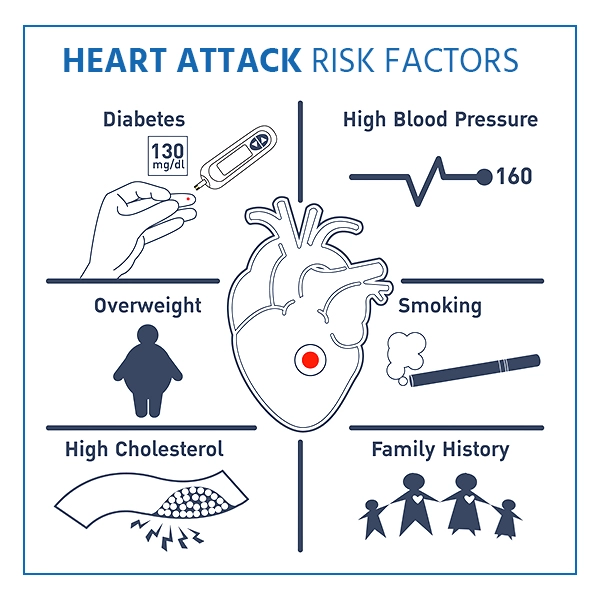
Both beverages have been linked to a reduced risk of heart disease in various studies. Green tea’s cardioprotective effects are attributed to its antioxidant content and ability to improve blood vessel function. Coffee, particularly when consumed in moderation, has also been associated with a lower risk of heart disease, possibly due to its anti-inflammatory and antioxidant properties.






