The Indian government has sought to calm rising public concerns over food security by confirming that the country has sufficient stocks of wheat and rice despite escalating tensions linked to the Iran conflict. As global markets react to disruptions in energy and supply chains, fears of food inflation have grown, particularly in import-dependent economies like India. However, officials have emphasized that strong domestic reserves and proactive monitoring have ensured stability in both supply and prices of essential commodities, at least in the short term.
strong buffer stocks shield india from immediate food crisis
According to government officials, India currently holds robust buffer stocks of essential foodgrains, including approximately 222 lakh metric tonnes of wheat and 380 lakh metric tonnes of rice—nearly three times the required buffer norms. These reserves are considered sufficient to meet the needs of the public distribution system as well as any emergency requirements.
Authorities have stressed that there is no immediate shortage of essential commodities, and prices remain stable across markets. The government is closely monitoring supply chains and price movements while also directing states to take strict action against hoarding and black marketing.
To further stabilize the situation, mechanisms like the Open Market Sales Scheme are being used to release foodgrains into the market when necessary. This ensures that any potential supply gaps are addressed quickly, preventing sudden price spikes. Additionally, procurement of wheat at minimum support price has already begun, reinforcing supply levels for the coming months.
Officials have also highlighted that other essential items such as pulses, edible oils, and vegetables are currently well-supplied, supported by steady domestic production and imports. This broader availability helps maintain overall food price stability even during periods of global uncertainty.
global risks remain as iran conflict disrupts supply chains
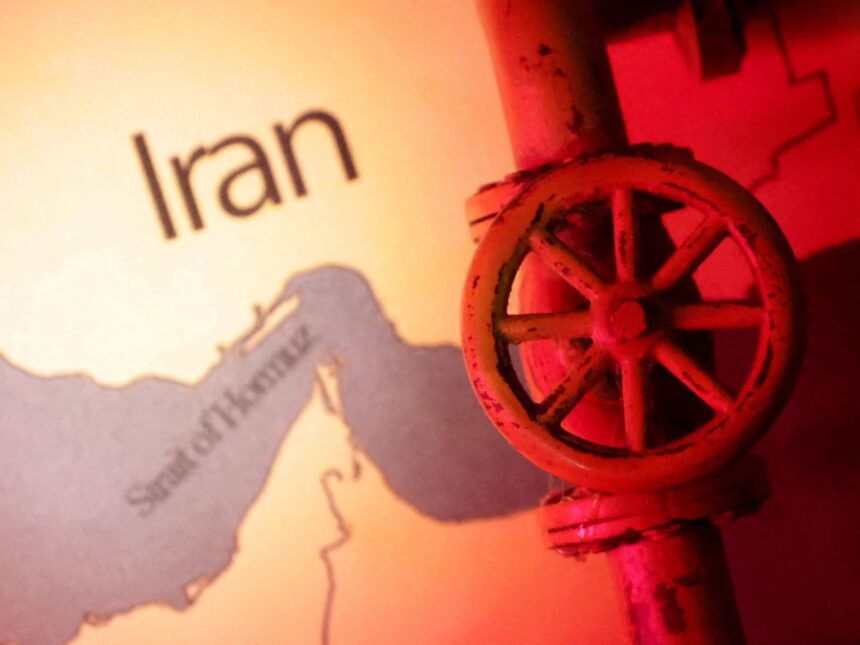
While India remains insulated in the short term, the ongoing conflict involving Iran poses significant risks for the future, particularly through its impact on global supply chains. The Strait of Hormuz, a critical route for oil and gas shipments, has been affected by the crisis, leading to rising energy prices and disruptions in fertilizer supplies.
These developments have direct implications for agriculture, as higher fuel and fertilizer costs can increase the cost of food production. Globally, experts have already warned of rising food prices if the conflict persists, with input costs forcing farmers to reduce usage and potentially lower crop yields.
In India, concerns are particularly focused on the upcoming sowing seasons, where availability and affordability of fertilizers will play a crucial role. Reports suggest that disruptions in fertilizer imports and natural gas supplies could create pressure on agricultural output in the medium term.
Additionally, the conflict has begun to affect trade flows, including disruptions in rice exports to Iran, highlighting the interconnected nature of global food markets.
Despite these risks, the government maintains that India’s current foodgrain reserves and policy mechanisms provide a strong cushion against immediate shocks. However, the situation remains dynamic, and prolonged geopolitical instability could gradually influence food prices and supply chains in the months ahead.