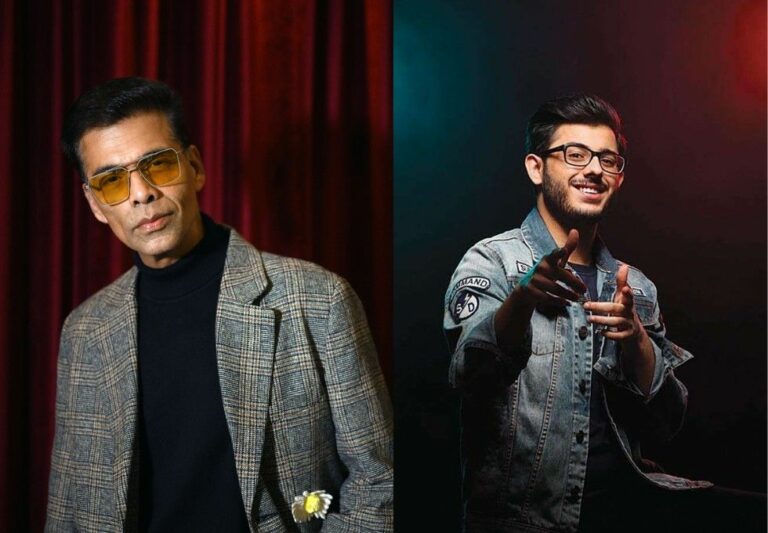
Popular Indian YouTuber CarryMinati, also known as Ajey Nagar, has recently found himself at the center of a legal controversy following the release of a video in which he roasted filmmaker Karan Johar. The video, titled “Koffee With Jalan”, was a parody of Johar’s widely popular chat show Koffee With Karan, in which CarryMinati mimicked the filmmaker and several other celebrities while employing offensive and objectionable language. This parody drew strong objections from Karan Johar, who filed a petition in a Mumbai court seeking legal recourse against the video and its distribution. On February 9, 2026, the court ruled in Johar’s favor, issuing an interim order that required CarryMinati to remove the video immediately and barred similar content from being produced or shared. The judgment also extended restrictions to anyone circulating or re-uploading the video on social media platforms, emphasizing the serious legal implications of defamatory online content. This case has once again highlighted the intersection of digital freedom, satire, and the boundaries of responsible content creation in India, raising questions about the accountability of influencers with massive reach on platforms such as YouTube.
Legal Proceedings and Court Observations
The legal proceedings began with Karan Johar filing a petition in the Mumbai court, objecting to CarryMinati’s video, which he claimed was defamatory, obscene, and damaging to his reputation. During the hearing on February 9, the presiding judge, Pandurang Bhosale, evaluated the content of the video and observed that prima facie it contained defamatory statements against the filmmaker. The judge noted that both Ajey Nagar and his manager, Deepak Char, had used offensive language while mocking Johar and other personalities, which warranted judicial intervention. The interim order directed the removal of the video from CarryMinati’s channel and restricted similar videos from being published or circulated further. The court emphasized that such content could not be freely disseminated online without considering the legal and ethical ramifications. Furthermore, the order extended to third parties, instructing them not to spread or share the video, thereby preventing further defamation or reputational harm. The ruling underlines how Indian courts are increasingly engaging with digital media cases and asserting that content creators are accountable for their portrayals of public figures, especially when such portrayals involve offensive language or harmful misrepresentation. The judgment reflects the balance that courts aim to strike between creative expression and protection of personal and professional reputations in the digital era, signaling that parody and satire, while often entertaining, are not beyond legal scrutiny when they cross the threshold of defamation.
The court’s observations also highlighted the potential social impact of viral content, noting that YouTube creators with millions of subscribers wield significant influence over public perception. CarryMinati, whose channel boasts over 45.3 million subscribers, is one of the most widely followed digital influencers in India, known for roasting celebrities and posting spoof videos. While his content is primarily designed to entertain and satirize, the video in question went beyond humor into the realm of personal attack. The judgment clarified that even online parody or satire must be responsibly executed, with attention to the rights and dignity of the individuals being portrayed. The interim order reinforces that legal protections for public figures apply equally in the digital domain, ensuring that reputational harm caused by online content can be addressed swiftly by judicial mechanisms.
Impact on CarryMinati and Digital Content Practices
CarryMinati’s “Koffee With Jalan” video not only brought him under legal scrutiny but also sparked a broader conversation about the responsibilities of influencers in the age of social media. Known for his edgy humor, viral roasts, and satirical commentary, Ajey Nagar has cultivated a massive following by parodying popular personalities, including actors, directors, and sports figures. His videos often include exaggerated mimicry, sarcastic commentary, and occasionally profane language, which contributes to their entertainment value and shareability. In this particular instance, the video targeted Karan Johar, mimicking him in his distinctive style, while also parodying other celebrities like wrestler Khali, Ranveer Singh, and Salman Khan. The excessive use of abusive and objectionable language, however, crossed a line that triggered legal action. Following the court order, CarryMinati complied by deleting the video from his official channel. Nonetheless, copies of the video continue to exist on various other channels and social media platforms, highlighting the challenges of controlling digital content once it has been released to a wide audience. The case illustrates the complexities faced by creators and legal authorities in managing the permanence and virality of online content, emphasizing that even widely shared entertainment material is subject to the scrutiny of law.
The controversy also underscores the significance of consent and ethical boundaries in content creation. While parody is often considered a form of protected expression, the judgment makes clear that mockery or satire cannot involve defamatory or obscene elements that cause reputational harm. For influencers like CarryMinati, whose content is designed to attract views through exaggeration and humor, the case serves as a cautionary tale about balancing creativity with responsibility. The interim order acts as a precedent for future cases, signaling that courts are willing to intervene in digital media disputes to protect individuals’ reputations, even when the content is presented as entertainment. It also highlights the potential professional consequences for content creators, who may face legal penalties or restrictions if their work is deemed offensive or defamatory.
From a broader perspective, this case has initiated discussions on the legal framework governing online content in India. While freedom of speech is constitutionally protected, it is not absolute and is subject to limitations, particularly concerning defamation, obscenity, and public order. Digital influencers with millions of subscribers are increasingly becoming accountable under these laws, as their content can significantly impact public perception and individual reputations. The ruling against CarryMinati demonstrates that Indian courts are prepared to enforce these regulations in the context of modern digital media, signaling a shift towards greater oversight of online platforms and content creators. This has implications not only for popular YouTubers but also for emerging creators, brands, and companies that rely on digital marketing, parody, or influencer-led campaigns to reach audiences.
The legal action also sparked reactions among fans and followers of CarryMinati, with discussions on social media platforms about the boundaries of satire, freedom of expression, and the responsibilities of popular influencers. While many fans defended Ajey Nagar’s right to parody public figures, others acknowledged the importance of respecting personal reputations and the potential harm caused by offensive content. The debate highlights the delicate balance that influencers must navigate when producing content that is both engaging and legally compliant. In this scenario, the court’s order serves as both a corrective measure for the specific video and a broader reminder to content creators regarding the ethical and legal parameters within which they must operate.
Moreover, the case sheds light on the challenges of moderating content across platforms like YouTube, Instagram, and other social media channels. Once a video goes viral, its spread becomes difficult to control, even if the original creator removes it from their account. The court’s directive to restrain third parties from sharing or circulating the video emphasizes the legal responsibilities of audiences and other users, not just content creators. This holistic approach seeks to minimize reputational harm and prevent further defamation, recognizing the interconnected nature of content consumption and sharing in the digital age. It also raises questions about digital literacy, ethical engagement, and the role of social media platforms in regulating content while respecting creative freedoms.
CarryMinati’s compliance with the court order highlights the effectiveness of the legal process in addressing online defamation, but it also points to ongoing challenges in digital content governance. While the video has been removed from his official channel, copies still persist, illustrating the limitations of enforcement and the enduring impact of viral media. The case emphasizes the need for content creators to exercise caution and foresight, anticipating potential legal or reputational repercussions before publishing material that may be considered offensive or defamatory. It also underscores the responsibility of platforms, managers, and teams involved in content creation to ensure that material meets both creative and legal standards, protecting the creator from avoidable legal disputes.
In conclusion, the Koffee With Jalan controversy involving CarryMinati demonstrates the evolving legal landscape for digital content in India. The case emphasizes that parody, satire, and comedy, while popular and engaging, must adhere to the principles of defamation law, ethical standards, and public decency. The court’s interim order serves as a precedent for creators and viewers alike, illustrating the boundaries of permissible online expression. As influencers continue to shape culture and entertain vast audiences, this incident highlights the importance of accountability, responsibility, and foresight in the creation and dissemination of digital media content. The CarryMinati-Karan Johar case is likely to remain a reference point in discussions on freedom of expression, digital ethics, and legal accountability in India’s rapidly expanding social media ecosystem.