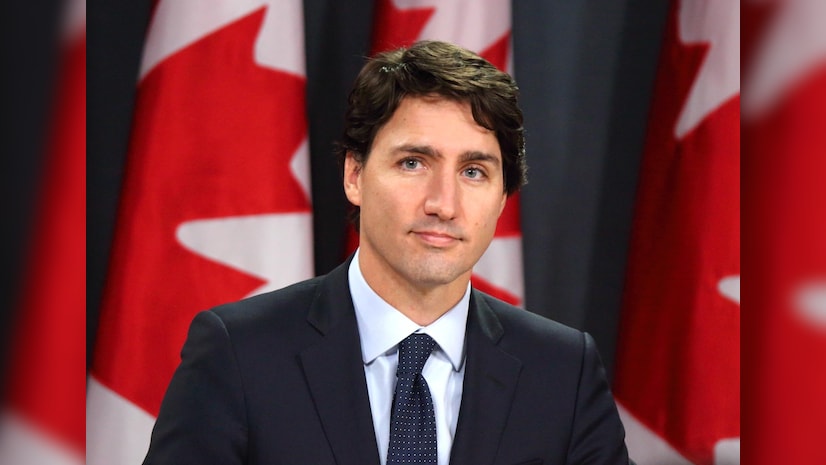
Canadian Prime Minister Justin Trudeau is expected to announce his resignation as the leader of the Liberal Party as early as Monday, according to a report by The Globe and Mail on Sunday. Sources familiar with the matter indicated that Justin Trudeau’s departure would likely be confirmed before a critical national caucus meeting scheduled for Wednesday. The precise timing of the announcement remains unclear, but sources anticipate it will occur prior to the meeting.
The Prime Minister’s office did not immediately respond to a request for comment outside of regular business hours. While Justin Trudeau’s resignation has been anticipated, it is uncertain whether he will step down immediately or remain in office until a new leader is selected. Reports suggest that the timing of the announcement and the leadership transition plan remain fluid.
Justin Trudeau has been at the helm of the Liberal Party since 2013, when he assumed leadership during a difficult period for the party, which had fallen to third place in the House of Commons for the first time in its history. Under his leadership, the party regained strength and achieved electoral success, notably winning the 2015 and 2019 elections. However, recent polling suggests that the Liberals face a tough battle against the Conservative Party in the next federal election, which must be held by late October. This context has added further pressure on Justin Trudeau, as the Liberal Party now appears poised to lose to the Conservatives.
The impending resignation of Justin Trudeau is expected to trigger calls for a swift election in order to establish a new government capable of navigating the challenges posed by the administration of U.S. President-elect Donald Trump. As the Canadian government prepares for the next phase of leadership, discussions have already begun about the possibility of appointing an interim leader. One of the sources mentioned that Finance Minister Dominic LeBlanc had been in talks with Justin Trudeau about the possibility of stepping in as an interim leader and prime minister. However, this arrangement may be complicated if LeBlanc intends to run for the permanent leadership of the Liberal Party.
Justin Trudeau’s resignation is poised to bring significant political upheaval in Canada, with the Liberal Party in need of a new leader to guide the party into the next election. The future of the party will depend on how quickly a new leader can be chosen and how the transition will be managed. While Justin Trudeau’s leadership has been marked by significant achievements, including progressive domestic policies and a strong international presence, his departure could mark the beginning of a new political era in Canada, as the country faces an uncertain political landscape both at home and abroad.
As the situation develops, the political world will be watching closely to see how the Liberal Party handles this critical leadership transition and how it will impact the upcoming election.