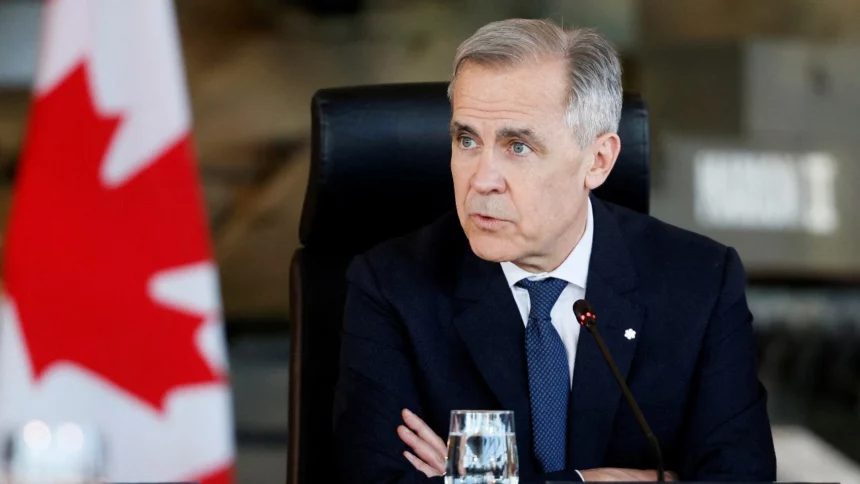
Canada’s intelligence agency has raised concerns that India and China may attempt to interfere in its upcoming general election, intensifying tensions with both countries. The Canadian Security Intelligence Service (CSIS) issued the warning on Monday, citing the increasing use of artificial intelligence by foreign state actors to influence the electoral process. This announcement comes ahead of the April 28 snap election, which was called by newly appointed Prime Minister Mark Carney.
During a press conference, Vanessa Lloyd, deputy director of operations at CSIS, highlighted the potential for election interference, particularly through AI-driven methods. She stated that China is “highly likely” to deploy AI-powered tools to manipulate Canada’s democratic process. Additionally, China is expected to use social media platforms to propagate narratives aligned with its strategic interests, targeting Chinese ethnic, cultural, and religious communities in Canada through covert means.
Lloyd also pointed out that India’s government has both the intent and capability to influence Canadian communities and democratic institutions to advance its geopolitical agenda. Both India and China have previously denied allegations of election meddling, and neither country has yet responded to these latest claims.
The issue of foreign interference has been a recurring concern in Canada. In January, India dismissed allegations in a Canadian commission report that accused New Delhi of meddling in Ottawa’s elections by financially backing candidates through proxy agents. The Ministry of External Affairs in India rejected the report’s claims and criticized Canada for interfering in India’s internal affairs.
Beyond India and China, CSIS has also identified Russia and Pakistan as potential threats to the integrity of Canada’s electoral process. Lloyd noted that Russia has developed networks across social media and news platforms to amplify Kremlin-backed narratives, which could be used for disinformation campaigns targeting Canadian voters. Pakistan, she added, may engage in activities aligned with its strategic objectives, aiming to maintain political and economic stability within its own borders while countering India’s growing international influence.
The warning from CSIS adds another layer of complexity to Canada’s strained relations with India and China. Diplomatic tensions with India have been particularly high since former Prime Minister Justin Trudeau accused New Delhi of involvement in the killing of Khalistani separatist Hardeep Singh Nijjar in 2023. India has consistently denied the charge, calling it “absurd,” and the dispute led to the expulsion of diplomats on both sides.
Relations with China have also deteriorated, with trade disputes escalating in recent months. In retaliation for Canadian tariffs on Chinese electric vehicles and steel products, Beijing recently imposed duties on Canadian agricultural goods worth over $2.6 billion. These ongoing tensions are likely to play a significant role in the upcoming election, as concerns over foreign interference continue to mount.
With just weeks remaining before the general election, Canada’s intelligence agencies are closely monitoring potential threats to its democratic process. Authorities have urged vigilance against disinformation campaigns and covert influence operations as the country prepares to head to the polls.