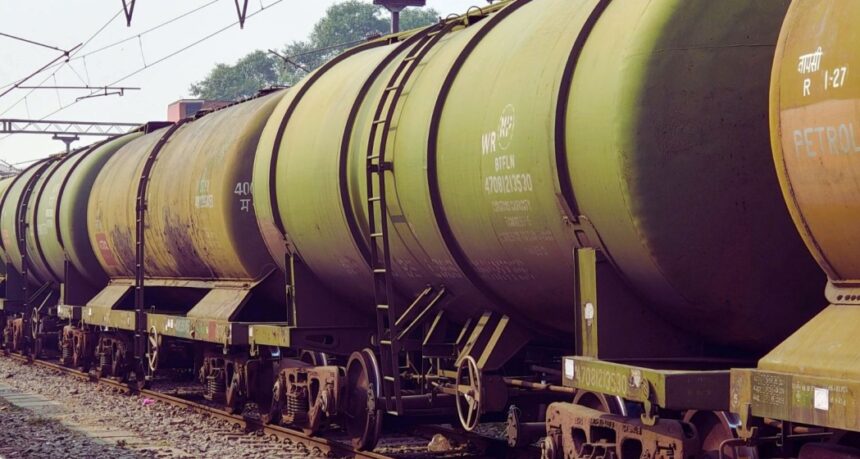
Bangladesh has decided to import additional diesel from India in order to strengthen its fuel supply system and prevent shortages ahead of the Eid festival. According to officials, around 45,000 tonnes of diesel will be supplied from India to Bangladesh by April. The decision comes as the government aims to maintain stable fuel availability during a period when transportation demand typically increases significantly due to holiday travel. Authorities have stated that the first shipment of 5,000 tonnes has already arrived, while the remaining consignments will be delivered in the coming weeks. The move highlights the growing energy cooperation between India and Bangladesh and demonstrates the importance of cross-border infrastructure projects in ensuring regional energy security.
Role of the India-Bangladesh Friendship Pipeline
The India-Bangladesh Friendship Pipeline plays a central role in facilitating energy trade between the two neighboring countries. The pipeline was inaugurated in March 2023 by Indian Prime Minister Narendra Modi and former Bangladesh Prime Minister Sheikh Hasina. It connects India’s Numaligarh Refinery in Assam to the Parbatipur depot in the Dinajpur district of northern Bangladesh. The total length of the pipeline is approximately 131.5 kilometres. Around 5 kilometres of the pipeline lies within Indian territory, while the remaining 126.5 kilometres extend across Bangladesh. The pipeline has the capacity to transport nearly 1 million metric tonnes of diesel each year. Before the pipeline became operational, diesel exports from India to Bangladesh were transported mainly through railway wagons. This method was slower and involved higher transportation costs. The pipeline has significantly improved efficiency by enabling direct fuel transfer and reducing logistics expenses.
Political changes and resumption of energy cooperation
Diesel supply through the pipeline had temporarily stopped last year following political changes in Bangladesh during the interim administration. Several bilateral projects were reviewed during that period, which led to a temporary disruption in pipeline operations. However, after the recent elections and the formation of a new government, energy cooperation between India and Bangladesh resumed. Officials confirmed that the first shipment of 5,000 tonnes of diesel has already been delivered through the pipeline from Numaligarh Refinery Limited to Bangladesh’s Parbatipur depot. Bangladesh Petroleum Corporation has also received a proposal to import an additional 40,000 tonnes of diesel from India. Once financial arrangements such as letters of credit are finalized, the remaining shipments are expected to reach Bangladesh by April.
Fuel supply concerns amid West Asia tensions
The decision to import additional diesel was also influenced by growing concerns about global energy markets. Rising geopolitical tensions in West Asia, including the conflict involving Israel and Iran, have created uncertainty in global oil supply chains. These developments triggered concerns about potential fuel shortages in several countries, including Bangladesh. As a result, panic buying was reported at petrol stations in some regions, with long queues forming as consumers rushed to secure fuel supplies. To manage the situation, the government temporarily introduced rationing measures and limited fuel sales. With the resumption of diesel imports from India, authorities have now lifted most of these restrictions and reassured citizens that sufficient fuel reserves are available in the country.
Ensuring fuel availability during Eid travel rush
Eid is the most significant festival in Bangladesh and is traditionally marked by large-scale travel as millions of people return to their hometowns and villages. During this period, transportation demand rises sharply and diesel consumption increases significantly. To avoid disruptions in transport services during the holiday season, the government decided to secure additional diesel supplies from India. Officials believe that the arrival of imported fuel will stabilize the market and ensure that buses, trucks, and other vehicles can refuel without difficulty. The continued operation of the Friendship Pipeline is also expected to strengthen long-term energy cooperation between India and Bangladesh while improving regional energy security.