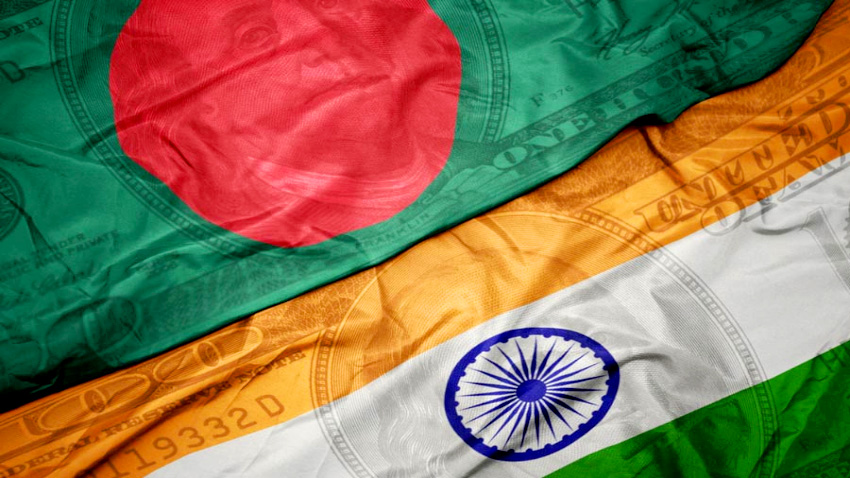
Tensions between India and Bangladesh are escalating, and the latest flashpoint is Dhaka’s cancellation of a $21 million (₹180 crore) contract with an Indian defence firm. This move not only signals a diplomatic strain but may also have strategic consequences for Bangladesh. Here’s a detailed explainer on what happened, why it matters, and who stands to lose more.
What was the contract about?
The deal in question was signed between Bangladesh and Garden Reach Shipbuilders & Engineers Ltd (GRSE), a Kolkata-based defence shipyard run by India’s Ministry of Defence. GRSE was contracted to build an ocean-going tug for the Bangladesh Navy. The vessel was expected to boost Bangladesh’s naval capabilities. However, Dhaka has now unilaterally cancelled the contract, marking a significant downturn in defence cooperation between the two neighbours.
What triggered the cancellation?
The scrapping of the deal appears to be a fallout of growing political and diplomatic friction. Relations began to sour after Sheikh Hasina’s ouster in August 2024 and the formation of a new interim government led by Muhammad Yunus. Since taking office, Yunus has been seen as aligning more closely with China, drawing concerns in New Delhi.
The final nail may have been Yunus’ controversial remarks in China, where he described Bangladesh as the “guardian of the ocean” and emphasized that India’s northeastern states are landlocked and rely on Bangladesh for maritime access. His tone and positioning were seen in India as provocative and nationalistic, worsening the already tense bilateral atmosphere.
How did India respond?
Before the contract cancellation, India had already taken economic steps in response to Dhaka’s posture. On Saturday, the Indian government imposed port restrictions on several Bangladeshi imports, including readymade garments and processed food items—two of Bangladesh’s strongest export sectors.
Who will be impacted more?
While the cancellation of the naval contract is a minor financial loss for India’s GRSE, it hurts Bangladesh strategically. India is a key defence supplier for Bangladesh, and cutting ties could delay or derail crucial upgrades to its navy.
More broadly, Dhaka’s pivot towards China may offer short-term diplomatic leverage but risks alienating a stable regional partner. The ongoing fallout could strain economic ties, affect trade routes, and isolate Bangladesh diplomatically if tensions persist.
This tug-of-war shows no signs of slowing—and it may just be the beginning.