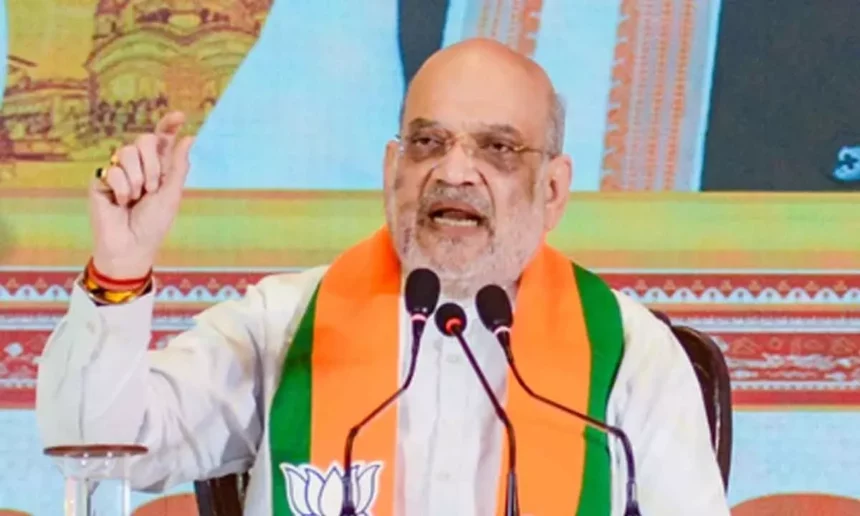
The high-stakes political atmosphere in West Bengal has intensified as campaigning for the first phase draws to a close. Senior Bharatiya Janata Party leadership has mobilized its resources, with Union Home Minister Amit Shah spearheading multiple rallies across key constituencies. His primary address at Sukna Sports Ground in Siliguri is strategically significant, as it covers several crucial assembly segments including Darjeeling, Kalimpong, Kurseong, Siliguri, Matigarha-Naxalbari, Phansideva, and Fullbari-Dabgram. These constituencies will go to polls in the opening phase, making the rally a focal point of BJP’s outreach efforts in North Bengal.
Intense Campaigning Across Key Constituencies
Amit Shah’s rally in Siliguri is part of a broader campaign strategy targeting both urban and semi-urban voters. The region, known for its geopolitical and economic importance, shares proximity with international borders, including Nepal and Bhutan. Political analysts view Shah’s presence here as an attempt to consolidate voter sentiment in favor of the BJP by addressing issues such as infrastructure, national security, and economic development.
In addition to Siliguri, Shah is scheduled to address three more rallies in Kulti in West Burdwan district, Salboni in West Medinipur, and Chandipur in East Medinipur. These locations have been carefully selected to maximize electoral impact across diverse demographic segments. The BJP leadership aims to build momentum ahead of polling day, emphasizing governance, central schemes, and regional development narratives.
Meanwhile, the ruling All India Trinamool Congress is also actively campaigning. Chief Minister Mamata Banerjee is holding multiple public meetings across South Bengal, including Haldia, Barrackpore, Jagaddal, and Jorasanko. Her campaign focuses on welfare schemes, regional identity, and countering BJP’s claims. The simultaneous high-profile campaigning by both parties reflects the competitive nature of the electoral battle.
Security Tightened Ahead of Polling Day
With polling just days away, the Election Commission has implemented extensive security measures to ensure a peaceful voting process. The international borders with Nepal and Bhutan have been sealed temporarily to prevent any cross-border disturbances or illegal activities that could influence the election. This move is considered crucial given the sensitive geography of North Bengal.
A four-day dry period has also been enforced from April 20 to April 23, prohibiting the sale and distribution of alcohol. Such measures are standard practice during elections to maintain law and order and to discourage any attempts at voter inducement. Security forces, including Central Armed Police Forces (CAPFs), have been deployed in large numbers across polling areas to safeguard the electoral process.
Officials have emphasized that all arrangements are in place to facilitate free, fair, and transparent elections. Surveillance systems, including CCTV monitoring and flying squads, are being used to keep a close watch on sensitive zones. Polling personnel have undergone training to handle any contingencies effectively.
Political Stakes and Voter Sentiment
The first phase of the West Bengal Assembly elections is crucial for setting the tone of the overall contest. North Bengal, in particular, has emerged as a battleground where both the BJP and TMC are investing significant political capital. Issues such as employment, infrastructure development, tea garden workers’ welfare, and regional autonomy dominate voter discussions.
Amit Shah’s rally is expected to highlight the central government’s initiatives and promises of accelerated development. On the other hand, Mamata Banerjee’s campaign underscores state-level achievements and continuity in governance. The contrasting narratives reflect the broader ideological contest between the two parties.
Political observers note that voter turnout and local dynamics will play a decisive role in determining outcomes in these constituencies. The presence of multiple parties and independent candidates adds further complexity to the electoral landscape.
Campaign Closes Amid Heightened Political Activity
As the campaign period officially concludes, political parties are making final efforts to connect with voters. Door-to-door canvassing, small meetings, and digital outreach have intensified in the last hours before the silence period begins. The Election Commission’s strict guidelines ensure that no campaigning takes place beyond the stipulated deadline.
The coming days will witness voters exercising their democratic rights in what is expected to be a closely watched electoral contest. The results of the first phase will provide early indications of the political direction in West Bengal.