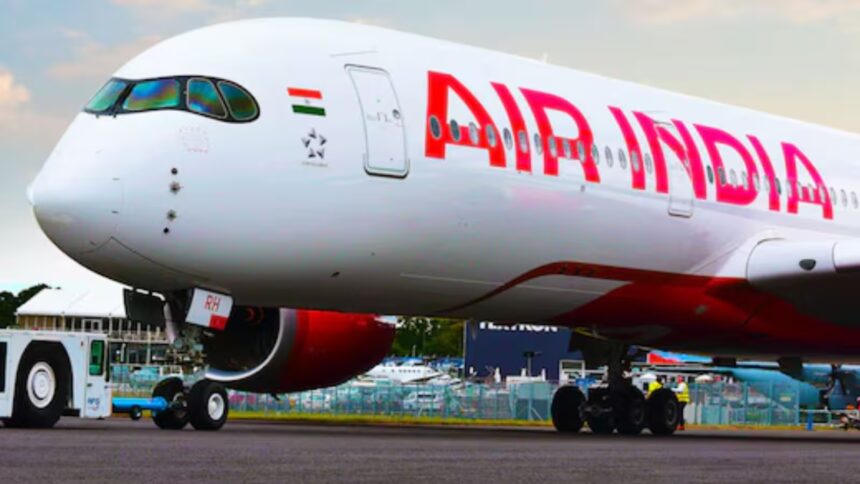
The ongoing unrest in Nepal has created significant disruption for travelers, leaving many stranded and anxious about returning home. In response to the crisis, both Air India and IndiGo have announced special flights from Delhi to Kathmandu, aiming to provide timely assistance to passengers affected by the disruptions. Tribhuvan International Airport in Kathmandu, which had been closed due to civil disturbances, resumed operations on Wednesday, prompting urgent action from airlines and government authorities. These special services are intended to facilitate the safe return of travelers, ensure continuity of essential air transport, and demonstrate the coordinated efforts of both private carriers and government agencies during extraordinary circumstances.
Air India’s Special Operations and Passenger Support
Air India confirmed that it will operate special flights on Wednesday and Thursday between Delhi and Kathmandu to help passengers stranded due to the ongoing unrest in Nepal. The airline emphasized that its regular scheduled services will resume from Thursday onward, offering a mix of relief and continuity for travelers. In a statement shared on X, Air India expressed appreciation for the swift coordination by the government and relevant agencies, noting that such collaboration was essential in ensuring passengers’ safety and convenience during the crisis. The airline highlighted that the special flights would supplement the existing schedule and allow passengers to reach their destinations without unnecessary delays.
To further support affected passengers, Air India has made available a 24×7 helpline for assistance and updates. Travelers have been urged to check their flight status on the official Air India website before proceeding to the airport and to reach out to the call center for any additional guidance or help. The availability of these support systems underscores the airline’s commitment to passenger safety, responsiveness, and effective crisis management. Through these coordinated measures, Air India has positioned itself as a critical facilitator of travel during emergency situations, ensuring that passengers stranded in Nepal have access to timely information, transportation, and support.
IndiGo’s Relief Measures and Special Flight Operations
In parallel, IndiGo announced a series of relief measures aimed at assisting passengers stranded in Kathmandu. Starting from September 11, the airline has resumed its regular schedule of four daily flights between Delhi and Kathmandu. Alongside these services, IndiGo will operate two special flights, subject to regulatory approvals, dedicated to safely transporting passengers affected by the unrest. The airline emphasized that these flights would be offered at special fares, ensuring affordability while addressing urgent travel needs. The primary objective of these relief flights is to reunite passengers with their families and ensure safe and efficient transport in the wake of the temporary closure of Kathmandu’s airport.
IndiGo stated that its priority during these extraordinary times is to provide immediate relief to passengers, reflecting both operational agility and humanitarian concern. By combining regular services with special relief flights, the airline aims to manage increased passenger demand effectively while maintaining high standards of service. The announcement reflects IndiGo’s proactive approach to crisis management, ensuring that travelers receive reliable transportation even during unforeseen disruptions. Furthermore, the airline’s focus on regulatory compliance, safety, and passenger welfare highlights the importance of well-coordinated measures in aviation during emergencies.
Government Coordination and Regulatory Support
Both airlines’ efforts have been strongly supported by the Union Civil Aviation Minister K. Rammohan Naidu, who confirmed that additional flights were arranged to bring back passengers stranded due to airport closures. The minister highlighted that the government, in coordination with Air India and IndiGo, had facilitated the reopening of airport operations in Kathmandu and the deployment of special relief flights. He emphasized that airlines have been advised to maintain reasonable fares to ensure affordability for passengers during this crisis.
The reopening of Tribhuvan International Airport marked a critical turning point, enabling airlines to resume operations and assist stranded travelers. The government’s active involvement ensured smooth coordination between carriers and regulatory authorities, allowing for timely deployment of flights and support services. This collaborative approach demonstrates the importance of strategic planning and responsive governance during emergencies in the aviation sector. Passengers benefit not only from restored connectivity but also from the reassurance that their safety and well-being are priorities for both airlines and government agencies.
Operational Challenges and Strategic Implementation
Operating special flights in response to an emergency situation presents unique logistical and operational challenges. Airlines must manage passenger surges, coordinate with airport authorities, ensure aircraft availability, and maintain safety standards while responding to rapidly changing conditions. Both Air India and IndiGo have demonstrated operational agility in addressing these challenges, combining careful planning with real-time decision-making to ensure uninterrupted services. By offering dedicated relief flights and resuming scheduled operations, the airlines have minimized disruption and ensured continuity for passengers during a period of uncertainty.
Furthermore, both carriers have implemented measures to communicate effectively with passengers, providing helplines, online updates, and real-time assistance. These measures not only address immediate travel needs but also reinforce customer confidence and trust in the airlines’ ability to manage crises. The operational response in Kathmandu illustrates how airlines can leverage coordination, technology, and strategic planning to deliver timely solutions during extraordinary circumstances.
Impact on Passengers and Broader Implications
The special flights from Delhi to Kathmandu are expected to relieve significant stress for passengers stranded by the unrest. Timely transport ensures that travelers can safely return home, resume personal and professional commitments, and access essential services without prolonged disruption. Moreover, these operations highlight the critical role of airlines in emergency response, underscoring their responsibility to prioritize passenger safety, convenience, and welfare.
The broader implications extend beyond immediate travel relief. The crisis response in Nepal serves as a case study for aviation preparedness, government coordination, and effective communication during emergencies. By deploying special flights and facilitating rapid operational recovery, Air India, IndiGo, and the Civil Aviation Ministry have demonstrated an effective model for managing similar disruptions in the future. The integration of operational planning, regulatory support, and customer service ensures that both logistical challenges and passenger needs are addressed comprehensively.
Community Engagement and Humanitarian Considerations
Beyond operational efficiency, the response by both airlines reflects a strong commitment to humanitarian considerations. Ensuring the safe return of passengers stranded due to civil unrest demonstrates the airlines’ dedication to societal responsibility. Relief flights, special fares, and accessible helplines reflect a customer-centric approach that prioritizes human welfare alongside business operations. These measures reinforce public trust in aviation services and highlight the ethical responsibility of carriers to act decisively during crises.
By focusing on both logistical execution and passenger support, the airlines have created a model that balances operational effectiveness with compassion and responsiveness. The prioritization of human safety and well-being amidst challenging conditions showcases the capacity of the aviation sector to contribute meaningfully during times of crisis.
The special flight operations undertaken by Air India and IndiGo from Delhi to Kathmandu, in coordination with government authorities, not only address immediate travel challenges but also strengthen confidence in India’s aviation sector. The strategic deployment of these flights, supported by comprehensive communication, regulatory compliance, and humanitarian considerations, ensures that passengers receive timely assistance while reinforcing the importance of preparedness and collaboration in aviation crisis management.
Future Outlook and Preparedness
Looking ahead, the lessons learned from this operational response can inform future strategies for airlines and government authorities in managing unexpected disruptions. The coordinated approach between carriers and the Civil Aviation Ministry highlights the significance of preemptive planning, rapid response capabilities, and clear communication channels. Such preparedness is essential not only for natural or political crises but also for maintaining overall resilience in the aviation sector.
The deployment of special flights by Air India and IndiGo between Delhi and Kathmandu amid unrest in Nepal illustrates a successful integration of operational agility, governmental support, and humanitarian concern. By facilitating safe and timely transport for stranded passengers, both airlines have set a benchmark for crisis management in aviation. The combination of immediate relief, resumed scheduled services, and passenger-centric measures reinforces public confidence, mitigates travel disruptions, and demonstrates the critical role of the aviation sector in addressing emergency situations efficiently and responsibly.