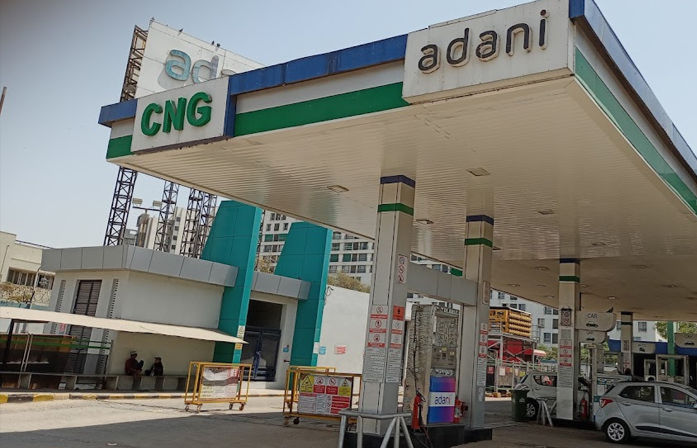
The latest Adani CNG price hike in Gujarat has sparked widespread concern and anger, particularly among auto-rickshaw drivers who rely heavily on compressed natural gas for their daily livelihood. With prices now crossing ₹83 per kg after a fresh increase of ₹1.50, the move has intensified fears of rising transportation costs and deepened the financial strain on thousands of drivers across Ahmedabad and other parts of the state.
The price revision, implemented on April 3, marks yet another upward adjustment in CNG rates by Adani Group, continuing a trend that has unsettled consumers over the past year. Despite an initial reduction earlier in 2026, the cumulative effect of multiple hikes has pushed prices significantly higher, leaving daily commuters and transport operators grappling with the consequences.
For many, this is not just about fuel costs—it is about survival. Auto-rickshaw drivers, already dealing with reduced passenger demand and rising living expenses, now find themselves at a breaking point as operational costs continue to climb.
Rising Costs and Global Pressures Drive Fuel Price Surge
The recent Adani CNG price hike in Gujarat cannot be viewed in isolation, as it reflects broader global energy disruptions and domestic pricing dynamics. The increase comes amid an ongoing energy crisis influenced by geopolitical tensions, particularly disruptions in supply routes such as the Strait of Hormuz, a critical channel for global oil and gas transportation.
With supply chains under pressure and international gas prices fluctuating, energy companies have been adjusting domestic rates to offset rising costs. In India, where CNG is widely used as a relatively affordable and cleaner fuel alternative, such increases have a cascading impact on urban transport systems.
Over the past year, CNG prices have seen multiple revisions. In 2025 alone, prices were increased four times, amounting to a total hike of ₹3.40. Entering 2026, there was a brief relief with a price cut, but it was soon followed by successive increases. The latest hike has now pushed the price to approximately ₹83.77 per kg, marking one of the highest levels recorded in the region.
This steady upward trajectory has eroded the cost advantage that CNG once held over petrol and diesel. As a result, many drivers are beginning to question whether continuing with CNG remains economically viable.
The shift in consumer behavior is also becoming evident, with some users exploring alternatives like piped natural gas (PNG) or even reconsidering petrol despite its traditionally higher cost. However, such transitions are neither immediate nor feasible for most auto-rickshaw drivers, who have invested heavily in CNG-based vehicles.
Auto Drivers Protest as Livelihood Crisis Deepens
The strongest reaction to the Adani CNG price hike in Gujarat has come from auto-rickshaw drivers, who have taken to protests and public demonstrations to voice their frustration. In Ahmedabad, driver associations have openly opposed the price increase, calling it “backbreaking” and demanding immediate intervention from authorities.
According to local association leaders, even a marginal increase of ₹1 per kg significantly impacts their daily earnings. On average, an auto-rickshaw consumes four to five kilograms of CNG per day, meaning that the latest hike alone adds a noticeable burden to their operating costs. Over time, these incremental increases accumulate into a substantial financial strain.
Drivers argue that their income has not kept pace with rising expenses. Passenger demand remains inconsistent, and attempts to increase fares are often met with resistance. Many commuters are unwilling to pay higher rates, leading to conflicts and reduced business for drivers.
The situation has created a paradox where drivers are forced to choose between absorbing the increased cost or risking a loss of passengers by raising fares. Neither option offers a sustainable solution, leaving many in a state of uncertainty.
Some drivers have expressed extreme frustration, suggesting that if the trend continues, they may be forced to abandon their vehicles altogether. The idea of surrendering auto-rickshaws to authorities and seeking alternative employment, though drastic, reflects the depth of the crisis.
There are also concerns about practices at fuel stations, with drivers alleging issues such as non-return of loose change, further adding to their grievances. While such claims require verification, they contribute to the overall sentiment of dissatisfaction and distrust.
The protests have also highlighted the critical role auto-rickshaw drivers play in sustaining the CNG ecosystem. As one driver pointed out, a significant portion of CNG consumption comes from the auto sector, and any large-scale withdrawal could impact fuel providers as well.
At the heart of the issue is a broader economic challenge—how to balance rising energy costs with the need to protect vulnerable sections of the workforce. The Adani CNG price hike in Gujarat has brought this dilemma into sharp focus, raising questions about regulatory oversight, pricing mechanisms, and the long-term sustainability of current fuel policies.