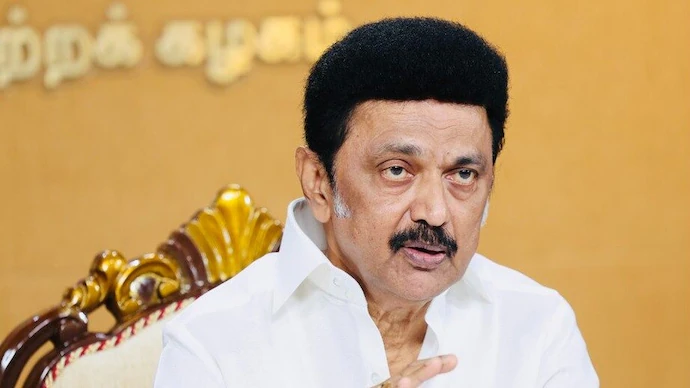
Tamil Nadu Chief Minister M. K. Stalin has raised the issue of the arrest of 10 Indian fishermen by the Sri Lankan Navy. The fishermen, along with their mechanized fishing boat based in Karaikal, were apprehended on January 8, 2025, while fishing in disputed waters. Chief Minister M. K. Stalin has written to India’s External Affairs Minister, S. Jaishankar, urging him to intervene diplomatically and take immediate action to ensure their safe and prompt release.
The arrested fishermen include six individuals from Tamil Nadu, with five hailing from the Mayiladuthurai district and one from Nagapattinam district. These fishermen rely solely on fishing for their livelihood, and their sudden detention has caused widespread concern among their families, as well as local communities. The fishermen’s arrest by the Sri Lankan Navy has further escalated tensions in the region, which has been marked by frequent disputes over maritime boundaries and fishing rights.
In his letter to S. Jaishankar, CM M. K. Stalin highlighted that the fishermen’s apprehension is causing immense distress to their families, many of whom are entirely dependent on the income generated from their work. M. K. Stalin also pointed out that this arrest is part of a larger ongoing issue, with a total of 102 fishermen and 210 fishing boats still under the custody of Sri Lankan authorities. The Chief Minister has expressed concern over the prolonged detention of these fishermen, many of whom have been arrested previously under similar circumstances.
The dispute between India and Sri Lanka regarding the arrest of fishermen from Tamil Nadu is not a new one. It has been a long-standing issue, with the fishermen often crossing the maritime boundary in search of richer fishing grounds, which they believe are located in Sri Lankan waters. However, the Sri Lankan Navy has consistently arrested Indian fishermen, accusing them of illegal fishing in their territorial waters. While India has frequently raised this issue with Sri Lanka, tensions continue to mount, especially with the economic hardship caused by the prolonged detention of the fishermen.
The Chief Minister of Tamil Nadu has urged the central government to take prompt and decisive diplomatic action through appropriate channels to secure the early release of the detained fishermen and their boats. M. K. Stalin’s appeal is likely to put further pressure on the Ministry of External Affairs to resolve the issue diplomatically and ensure the safety of Indian fishermen who operate in these contested waters.
This incident is part of a broader, ongoing diplomatic concern between India and Sri Lanka over fishing rights, as Indian fishermen, particularly from Tamil Nadu, continue to face arrest for allegedly violating Sri Lanka’s maritime boundaries. It also brings attention to the need for a long-term solution that can prevent such incidents from occurring in the future.
The arrest of Indian fishermen is not only a matter of concern for the individuals involved but also has far-reaching implications for the livelihood of many families in Tamil Nadu. The central and state governments must work together to find a permanent resolution to this issue and ensure the safety and well-being of Indian fishermen operating in the region.
As tensions between India and Sri Lanka continue over this maritime dispute, it remains to be seen how the central government, under External Affairs Minister S. Jaishankar’s leadership, will address the issue and protect the interests of Indian fishermen, who face the threat of arrest and detention in Sri Lankan waters.