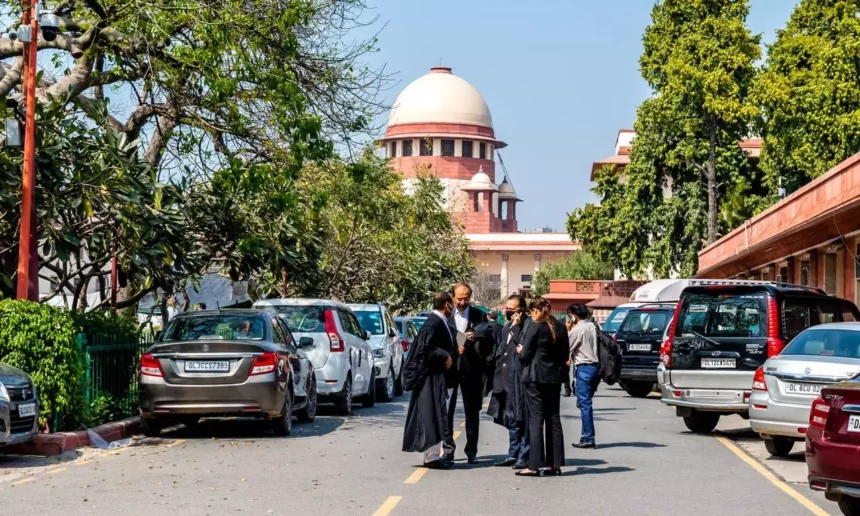
On the eve of a critical Supreme Court hearing regarding the Special Intensive Revision of voter rolls in Bihar, the Election Commission of India revealed that not a single appeal has been filed by voters under Section 24(A) of the Representation of the People Act. Despite widespread reports of voter deletions, no individual has formally contested the removal of their names from electoral rolls, raising serious questions about communication, awareness, and accessibility in the voter redressal system. With Bihar approaching assembly elections, where millions of voters are expected to participate, this development has brought significant scrutiny on both the Election Commission and the overall transparency of the electoral process in the state. Officials insist that the system is operational, while petitioners and advocates argue that the lack of formal notification and communication renders the appeal mechanism largely ineffective. The issue has now become a focal point for legal debate, public awareness, and scrutiny by the judiciary, highlighting the challenges in balancing administrative efficiency with voter rights.
Lack of Appeals and Voter Awareness Raises Concerns
According to the Election Commission, as of October 8, 2025, not a single appeal has been lodged with any District Magistrate across all 243 assembly constituencies in Bihar regarding alleged wrongful deletions of voter names. This revelation was posted by the Chief Electoral Officer of Bihar on social media platform X, formerly known as Twitter, with a table showing zero appeals across all 38 districts of the state. The timing of this disclosure is significant, coming just before a Supreme Court hearing on the matter, where the judiciary is examining the effectiveness of the voter redressal process.
The hearing, presided over by Justices Surya Kant and Joymalya Bagchi, questioned why voters whose names had been deleted could not simply file appeals to get their names reinstated. The bench also sought evidence of individuals from vulnerable sections of society who were impacted by these deletions, with a particular request to advocate Prashant Bhushan, representing the Association of Democratic Reforms, to provide examples of at least 100 to 200 such voters.
Senior advocate AM Singhvi, representing one of the petitioners, explained that the lack of proper communication from officials made the appeal process practically ineffective. He emphasized that individuals whose names had been removed from voter rolls often did not receive any notice of deletion, nor were they informed about the reasons for such action. Without official communication, expecting voters to initiate appeals or approach District Magistrates is unrealistic, Singhvi argued, pointing out that the existing process essentially fails to reach those it is intended to serve.
The Election Commission, represented by advocate Dwivedi, contested this claim, asserting that all affected individuals had been duly notified and that the redressal system was fully functional. Dwivedi insisted that the statutory process for deletions and appeals under Section 24(A) was available to voters, but the petitioners argue that the practical gaps in notification and accessibility hinder its effectiveness. The debate highlights a critical concern regarding the awareness of electoral rights and the mechanisms provided for rectifying errors in voter registration, especially for marginalized or vulnerable populations.
Deletions and Electoral Implications Ahead of Bihar Elections
The voter roll revisions in Bihar have become particularly significant as the state prepares for upcoming assembly elections. Reports indicate that nearly 3.66 lakh names have been deleted from the voter rolls, with the Election Commission claiming that the majority of these deletions—approximately 3.3 lakh—were processed based on Form 7, which accounts for voters who have either died, shifted to another location, or were registered elsewhere. The scale of these deletions has heightened concerns among petitioners about potential disenfranchisement of eligible voters and the transparency of the electoral process.
The Supreme Court has instructed the Election Commission to submit an affidavit detailing the reasons for these deletions and the procedural safeguards in place to ensure fairness. The issue has become a critical test of the robustness of electoral administration in Bihar, particularly given the sheer number of deletions and the approaching elections. Advocates representing voters stressed that without a reliable system of notification, individuals have no way of knowing that they have been removed from the rolls, thereby losing their opportunity to vote in upcoming elections.
Legal experts also raised questions about whether the current processes sufficiently protect the rights of marginalized communities, who may be disproportionately affected due to limited awareness, literacy, or access to digital notifications. The Supreme Court’s intervention aims to examine these procedural gaps and ensure that the voter roll revision process does not undermine democratic participation or fairness.
During prior hearings, the bench specifically asked for examples of wrongful deletions among vulnerable groups, underscoring the court’s focus on whether the deletion process inadvertently disenfranchises certain sections of society. The Election Commission’s reliance on official forms and procedural checks is being closely scrutinized in light of the complete absence of formal appeals, prompting legal and administrative discussions on enhancing transparency and communication with the electorate.
In addition to legal scrutiny, the lack of appeals has sparked public discourse on the need for better voter awareness campaigns, especially in regions with high numbers of deletions. Advocacy groups and election watchdogs have highlighted that mere procedural compliance is insufficient if voters are not effectively informed or able to access the redressal system. Ensuring that every eligible voter is aware of their status on electoral rolls and can challenge erroneous deletions is increasingly seen as a critical aspect of maintaining the integrity and credibility of the electoral process.
The Commission’s reliance on Form 7 and other procedural tools reflects its administrative approach to maintaining accurate voter rolls, but the absence of appeals illustrates a disconnect between bureaucratic mechanisms and voter engagement. Legal practitioners argue that the process of notifying affected voters needs to be proactive and comprehensive, incorporating both traditional and digital means of communication, to ensure that no eligible citizen is excluded from participating in elections.
As Bihar prepares to conduct elections across 243 assembly constituencies, the stakes are particularly high. Any failure in the voter roll revision process, whether through administrative oversight or insufficient communication, could have significant implications for electoral outcomes and public confidence in the democratic process. The Supreme Court’s review is therefore closely watched as a critical step in reinforcing transparency, accountability, and fairness in voter registration and roll maintenance.
The Election Commission maintains that all statutory procedures have been adhered to, but critics argue that a lack of effective notification has rendered these mechanisms largely inaccessible. This situation has highlighted the importance of combining administrative efficiency with robust voter communication strategies, ensuring that every eligible citizen has the opportunity to verify their voter status, appeal wrongful deletions, and participate fully in the democratic process.
Experts suggest that systemic reforms may be necessary to strengthen the appeal process, such as automated notifications, public awareness drives, and digital tracking of voter appeals. These measures could bridge the gap between statutory compliance and practical accessibility, particularly for vulnerable populations who may otherwise be excluded from exercising their voting rights.
The upcoming review by the Supreme Court on October 9, 2025, will examine the procedural adequacy, notification mechanisms, and overall fairness of the voter roll deletions in Bihar. Observers expect the court to consider both the administrative efficiency of the Election Commission and the practical realities faced by voters, balancing the need for accurate voter rolls with the imperative of inclusive democratic participation.
The issue has also triggered broader discussions on electoral reforms in India, including the need for proactive voter education, transparent communication, and digital accessibility. Advocates argue that systemic improvements are essential to ensure that electoral processes are fair, accountable, and inclusive, particularly in states with large populations and complex voter roll management challenges.
The absence of appeals, despite widespread deletions, underscores the critical role of transparency, communication, and public awareness in maintaining voter confidence. Legal experts have noted that effective democracy relies not only on procedural adherence but also on ensuring that citizens are informed, empowered, and able to exercise their rights without undue barriers.
The debate over voter deletions in Bihar reflects a larger concern for electoral integrity across India, highlighting how administrative processes, legal frameworks, and citizen awareness must work in tandem to safeguard democratic participation. The Supreme Court’s upcoming review serves as a pivotal moment in assessing whether the current system adequately protects voters and ensures that the principle of universal suffrage is upheld in practice.
The Bihar voter roll controversy has captured national attention, with petitioners, legal experts, and election watchdogs scrutinizing the processes and raising questions about communication, accountability, and voter rights. The Supreme Court’s examination of appeals and deletions will likely set important precedents for how similar issues are handled across other states, shaping the future of voter roll management and electoral transparency in India.
As investigations continue and the Supreme Court review approaches, stakeholders await clarity on the procedural safeguards, notification mechanisms, and remedial actions available to affected voters. The outcome of this review is expected to influence electoral administration practices, policy reforms, and voter engagement strategies, ensuring that the right to vote is effectively protected for all eligible citizens.
Overall, the absence of appeals and the focus on deletions from Bihar’s voter rolls highlight the intersection of administrative efficiency, legal oversight, and citizen participation in maintaining a fair and transparent electoral process. With elections imminent, the scrutiny from the judiciary and public discourse emphasizes the need for robust, accessible, and transparent voter roll management, ensuring that every eligible voter can exercise their fundamental democratic right.