


Dermaplaning is a popular skincare treatment that involves the use of a sterile surgical scalpel to exfoliate the skin’s surface, removing dead skin cells and fine facial hair, commonly known as “peach fuzz.” This procedure helps reveal a smoother, brighter complexion and allows skincare products to penetrate more effectively. While typically performed by licensed professionals, dermaplaning can also be done safely at home with the right tools and techniques. Here’s what you need to know about dermaplaning and how to practice it safely at home.
Understanding Dermaplaning

Dermaplaning works by gently scraping off the top layer of dead skin cells and vellus hair from the face, providing an instant exfoliation. The result is a smoother skin texture, reduced appearance of fine lines, and a more even skin tone. Additionally, by removing the hair, makeup application becomes more seamless, and skincare products can absorb more efficiently.
Benefits of Dermaplaning
Exfoliation
Dermaplaning effectively exfoliates the skin, helping to remove buildup and reveal a fresh layer of skin.
Improved Product Absorption
With the removal of dead skin cells, skincare products can penetrate deeper and work more effectively.
Smooth Makeup Application
The removal of fine hair and dead skin results in a smoother surface, making makeup application more even and flawless.
Brightened Complexion
By exfoliating the skin, dermaplaning can help brighten dull skin, giving it a healthier glow.
How to safely practice Dermaplaning at home?
While at-home dermaplaning can be safe, it requires careful technique and the right tools to avoid irritation or injury. Here are the steps to follow:
Gather the Right Tools
Use a dermaplaning tool or a single-use, sterile surgical blade designed for facial use.
Ensure you have a good mirror and sufficient lighting.
Prepare Your Skin
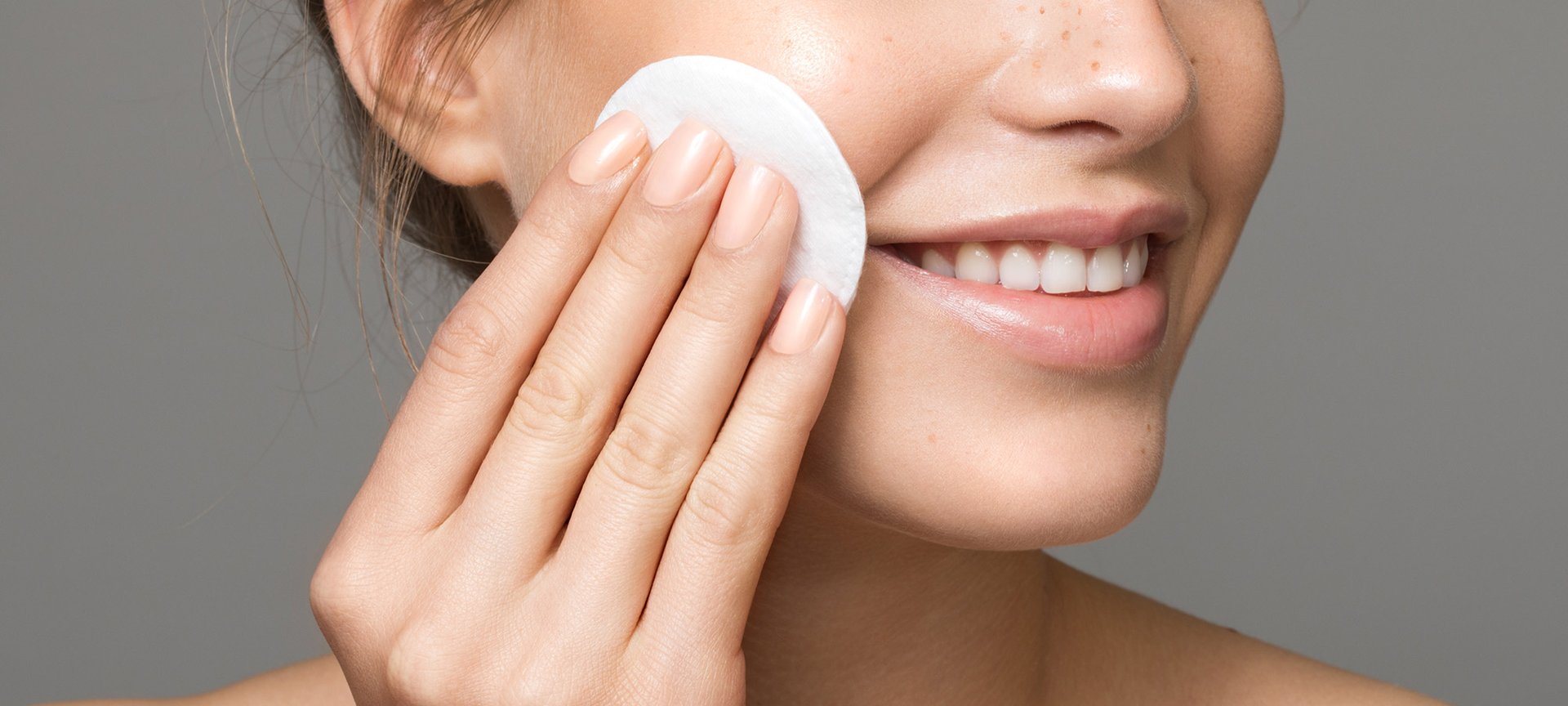
Start with a clean face, free of makeup and oils. Wash your face with a gentle cleanser and pat dry.
Avoid dermaplaning if you have active acne, cuts, or sunburns, as it may exacerbate these conditions.
The Dermaplaning Process:
Hold the blade at a 45-degree angle to your skin. Gently pull your skin taut with one hand.
Using short, feather-like strokes, lightly scrape the blade across your skin in an upward motion. Do not apply too much pressure.
Be careful around sensitive areas such as the eyes and lips.
Post-Dermaplaning Care
Rinse your face with lukewarm water and follow with a gentle, hydrating toner.
Apply a soothing moisturizer to help calm the skin.
Use sunscreen during the day, as your skin will be more sensitive to UV rays post-treatment.
Precautions and Considerations
Avoid dermaplaning too frequently; once every 3-4 weeks is typically recommended.
Do not dermaplane on irritated or broken skin.
If you have any skin conditions or concerns, consult with a dermatologist before trying dermaplaning at home






