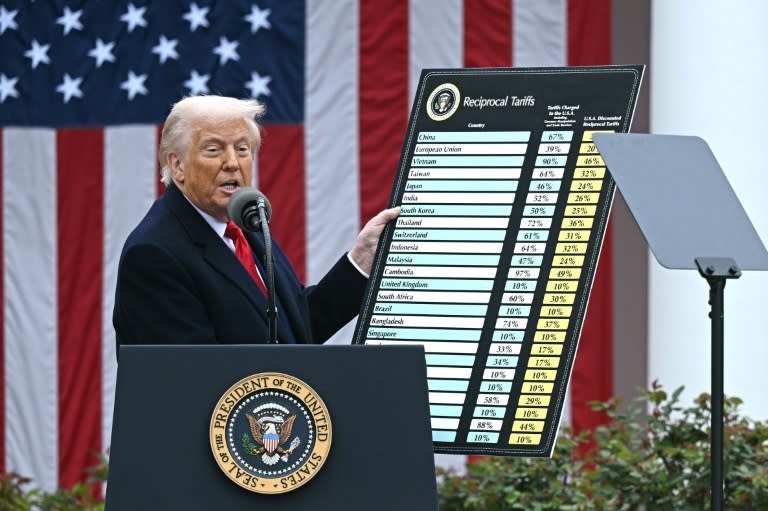
As the United States moves forward with sweeping reciprocal tariffs on several countries, US President Donald Trump has personally opened direct trade negotiations with India, Israel, and Vietnam. These talks come just days after the United Nations’ imposition of reciprocal tariffs, signaling the start of a broader global trade realignment. Though the new tariffs are set to take effect on April 9, diplomatic and economic dialogue has already begun in earnest, with nations trying to soften the impact or seek exemptions.
US Tariff Talks with Israel and India
Israel, one of the closest allies of the United States, was slapped with a 17% tariff on unspecified exports. In response, U.S. Secretary of State Marco Rubio held discussions with Israeli Prime Minister Benjamin Netanyahu, focusing not only on the newly announced tariffs but also regional security concerns, including the ongoing hostage crisis in Gaza. While the U.S. readout of the conversation emphasized America’s continued support for Israel, Netanyahu’s office has yet to issue a statement. Reports suggest that Netanyahu is preparing to visit Washington soon, with the tariffs expected to be a key topic in his agenda.
India, on the other hand, faces a 27% tariff. US President Donald Trump acknowledged India’s high import duties on U.S. goods—reportedly up to 52%—and pointed out that the U.S. had long tolerated these disparities. Despite referring to Indian Prime Minister Narendra Modi as a friend, US President Donald Trump emphasized that the era of leniency was over. The tariffs reflect his broader “America First” trade policy, aimed at recalibrating economic relations with major trade partners.
Vietnam Moves to Ease Trade Tensions
Vietnam, which was hit the hardest with a 46% tariff, responded swiftly. In a phone call with US President Donald Trump, General Secretary To Lam of Vietnam’s Communist Party offered to reduce tariffs on U.S. goods to zero, contingent on reaching a mutual agreement. US President Donald described the call as “very productive” in a post on his social media platform, Truth Social, and expressed eagerness for an upcoming meeting.
Vietnam is a key trading partner and manufacturing hub for the U.S. in Southeast Asia. The heavy tariff imposed on it was initially described as non-negotiable, but recent developments suggest otherwise. US President Donald stance underscores his belief that such aggressive tariff measures strengthen the U.S. negotiating position, with the goal of reshaping global trade to favor American interests.
With several other countries like Japan, Canada, Mexico, and China also impacted, these negotiations could be the beginning of a larger shift in international trade dynamics.