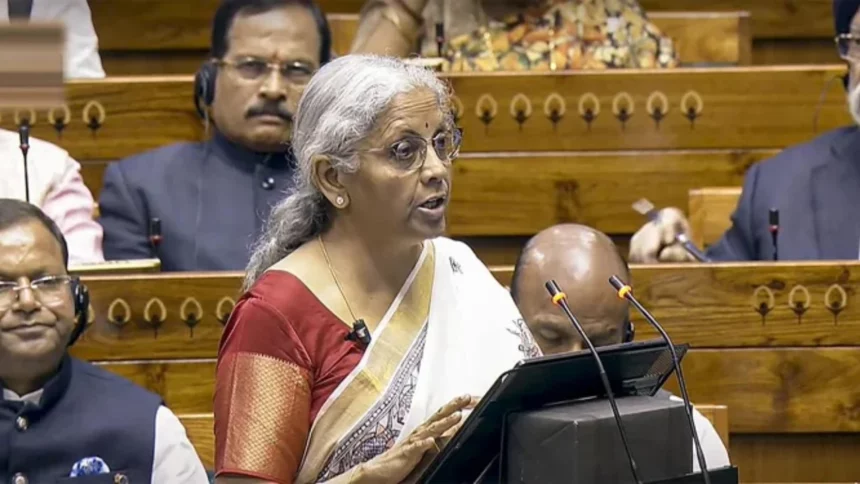
In a major push towards strengthening India’s healthcare infrastructure, Union Finance Minister Nirmala Sitharaman announced the addition of 10,000 new seats in medical colleges and the establishment of daycare cancer centres in all district hospitals as part of the Union Budget 2025-26. Presenting her eighth consecutive budget and the NDA government’s second full Union Budget in its third term, Sitharaman highlighted India’s rapid progress in medical education over the last decade.
The Finance Minister emphasized that the country has witnessed remarkable growth in medical education, with the number of medical colleges doubling from 387 in 2013-14 to 780 in 2024-25, marking a 102 per cent increase. Simultaneously, the number of MBBS seats has surged by 130 per cent, rising from 51,348 to 1,18,137 during the same period. As part of the government’s continued focus on expanding medical education, 10,000 additional medical seats will be introduced in the next financial year, while a total of 75,000 new seats will be added over the next five years.
Recognizing the increasing burden of cancer cases in the country, the Finance Minister announced that all district hospitals will soon have daycare cancer centres to facilitate accessible treatment for patients. In 2025-26 alone, about 200 such centres will be established to provide specialized treatment and reduce the need for patients to travel long distances for care. Additionally, the government aims to enhance telemedicine consultations for rural patients by ensuring broadband connectivity to primary health centres at the village level.
The move comes at a crucial time when India is witnessing a significant rise in cancer cases. A study published in The Lancet revealed that the country recorded approximately 12 lakh new cancer cases and 9.3 lakh deaths in 2019, making it the second-highest contributor to cancer-related disease burden in Asia. The figures further escalated to 13.9 lakh in 2020, 14.2 lakh in 2021, and 14.6 lakh in 2022, underscoring the need for stronger healthcare interventions.
In the previous budget, the government had already taken steps to make cancer treatment more affordable by exempting customs duty and reducing GST rates on three crucial anti-cancer medications—Trastuzumab, Osimertinib, and Durvalumab. The GST on these drugs was slashed from 12 per cent to 5 per cent, making them more accessible to patients in need.
The government’s latest healthcare initiatives reflect its commitment to strengthening India’s medical education system and improving cancer care accessibility across the country.