The decision marks a significant turning point in global energy politics at a time when markets are already under pressure due to ongoing geopolitical instability. With oil prices fluctuating and supply chains facing uncertainty, the UAE’s move adds a new dimension to an already complex global energy landscape. Officials described the step as part of a long-term strategic vision aimed at expanding domestic production capacity while maintaining a stable and responsible role in international markets.
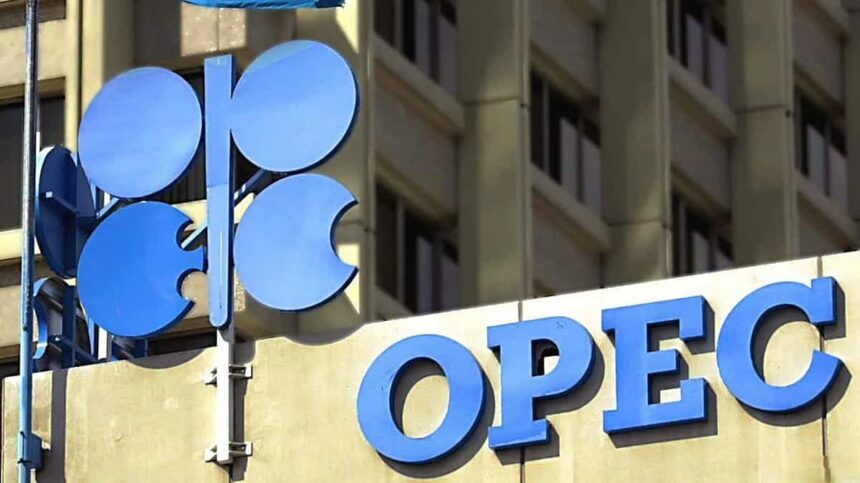
For decades, OPEC has served as a key platform for coordinating oil production among major exporting countries. By setting output quotas, the organization has attempted to stabilize prices and avoid extreme market volatility. The broader OPEC+ alliance, which includes additional producers such as Russia, has further strengthened this coordination. However, the UAE’s decision to withdraw reflects growing differences within the group, particularly over production limits and national economic priorities.
According to an official statement released through the WAM news agency, the UAE’s move aligns with its evolving energy profile and long-term economic goals. The country has increasingly invested in boosting its domestic oil production capabilities, alongside expanding into renewable energy sectors. This dual approach is aimed at ensuring economic resilience while adapting to changing global energy demands.
One of the main motivations behind the exit is the desire for greater flexibility. As a member of OPEC, the UAE was required to adhere to agreed production quotas, which sometimes limited its ability to fully utilize its production capacity. By stepping away from the group, the country gains the freedom to adjust output levels based on market conditions and its own strategic interests.
Despite leaving OPEC, the UAE has emphasized that it will continue to act responsibly in global markets. Officials have stated that any increase in production will be gradual and aligned with demand, ensuring that the move does not lead to sudden disruptions or price instability. This reassurance is intended to maintain confidence among investors and trading partners.
The decision also highlights growing differences between the UAE and Saudi Arabia, one of OPEC’s most influential members. In recent years, the two countries have diverged on issues related to production strategy, pricing, and broader economic policies. While both remain major oil exporters, their approaches to managing supply have increasingly differed.
Geopolitical factors have further contributed to this shift. Regional tensions involving Iran and conflicts such as the Yemen war have influenced strategic decisions across the Middle East. These dynamics have added pressure on traditional alliances and prompted countries like the UAE to reassess their positions.
From a global perspective, the UAE’s exit is likely to have far-reaching implications. Oil markets are highly sensitive to changes in supply, and any shift in production strategy can affect prices, trade flows, and economic stability. Analysts are closely monitoring how the UAE’s independent approach will impact market dynamics, particularly during a period of heightened geopolitical risk.
Initial reactions in financial markets have been cautious. Oil prices, already volatile due to ongoing tensions, have shown signs of fluctuation following the announcement. Traders are evaluating whether the UAE’s increased flexibility will help stabilize supply or lead to greater competition among producers.
The move also reflects broader changes in the global energy sector. Many countries are investing in renewable energy and seeking to diversify their economies beyond oil. The UAE has been at the forefront of this transition, with significant investments in solar power, hydrogen, and other sustainable technologies. This strategy positions the country as a forward-looking energy player prepared for a changing future.
At the same time, the UAE has expressed appreciation for its long-standing relationship with OPEC and its member countries. This suggests that while formal membership will end, informal cooperation and dialogue may continue, particularly during periods of market uncertainty.
Another important consideration is the potential impact on OPEC itself. The departure of a key producer like the UAE could influence the group’s internal dynamics and raise questions about its future role. If other members begin to seek greater independence, the organization’s ability to coordinate production may weaken.
For consumers and businesses worldwide, the implications are significant. Changes in oil supply can directly affect fuel prices, transportation costs, and inflation. As a major energy exporter, the UAE’s policies will continue to play a crucial role in shaping global economic conditions.
The ongoing Iran-related tensions add another layer of complexity. Historically, conflicts in the Middle East have had a direct impact on oil markets, often leading to supply disruptions and price spikes. The UAE’s decision to pursue a more independent strategy suggests a desire to navigate these uncertainties with greater control.
Looking ahead, the success of this approach will depend on careful management. Balancing increased production with market stability requires a nuanced understanding of global demand and geopolitical developments. If executed effectively, the UAE could strengthen its position as a leading energy supplier while contributing to a more flexible global market.
Ultimately, the UAE’s exit from OPEC and OPEC+ represents a significant shift in global energy dynamics. It reflects changing priorities, evolving geopolitical realities, and the growing importance of economic diversification. As the situation continues to unfold, the world will be closely watching how this decision shapes the future of energy markets.