


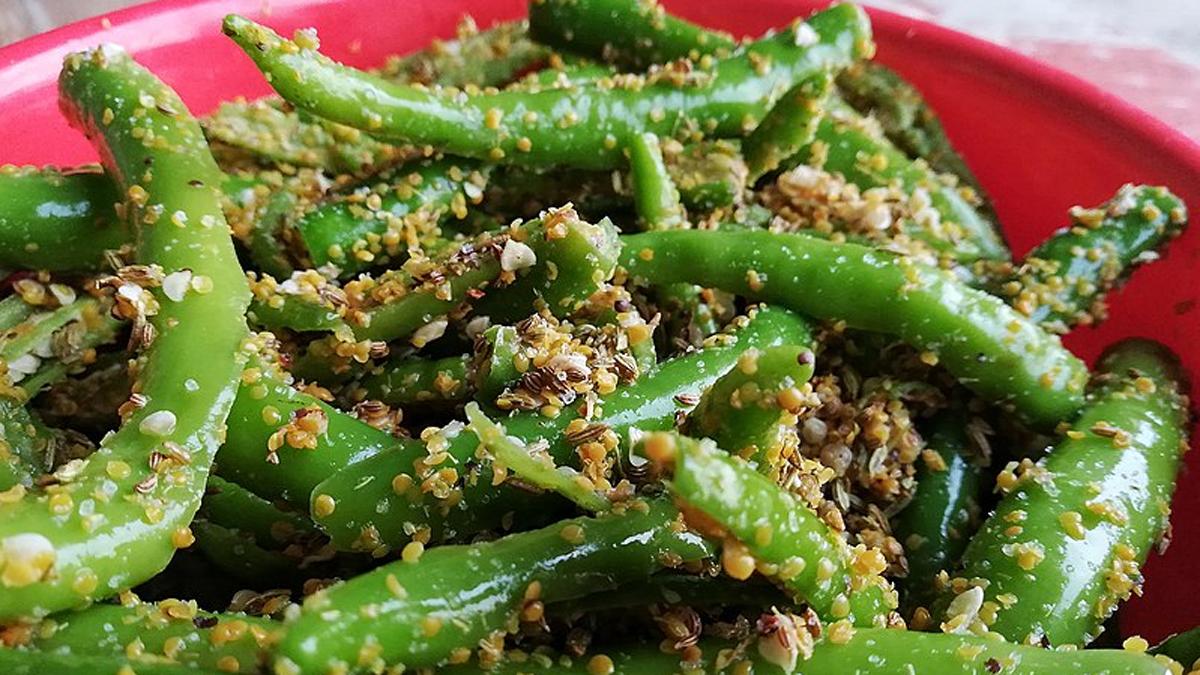
 A spicy pickle made with green chillies, often flavored with mustard and other spices.
 A sweet and spicy mango pickle, traditional in Gujarati cuisine.
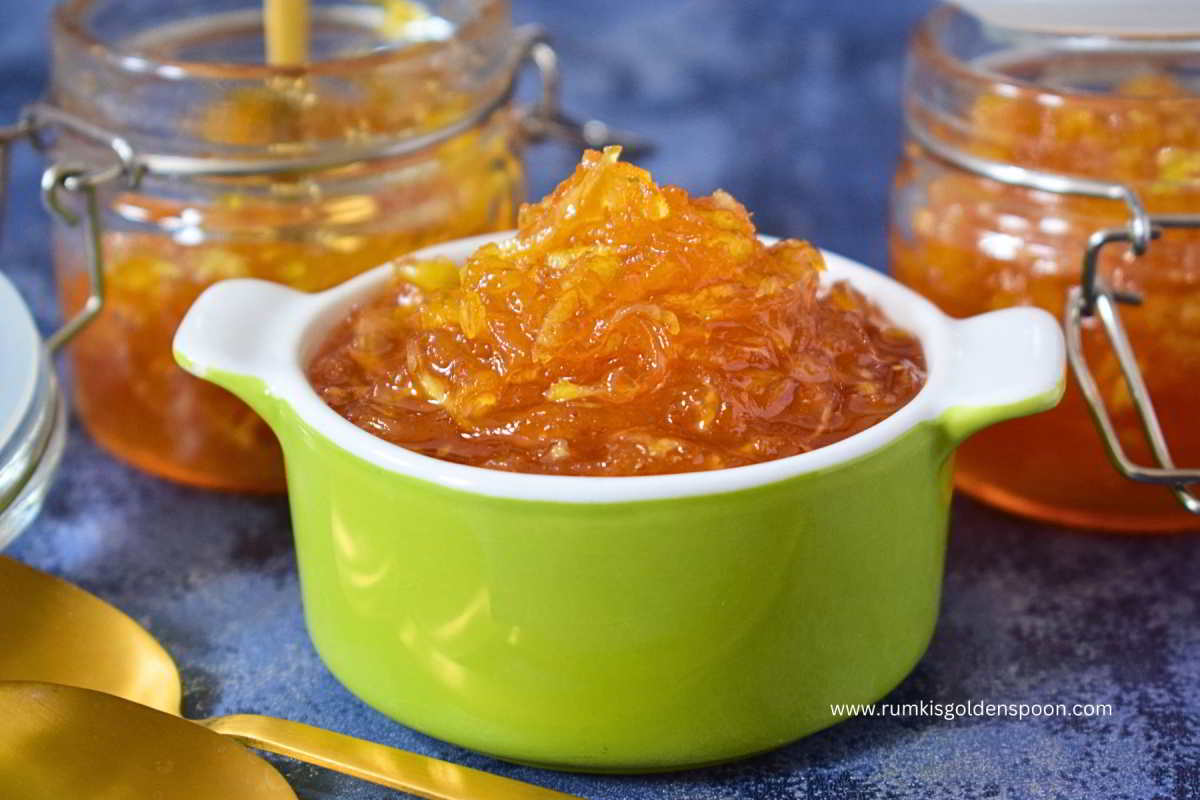 A sweet mango preserve, often flavored with cardamom and saffron.
 A fiery and robust mango pickle from Andhra Pradesh, known for its distinctive taste.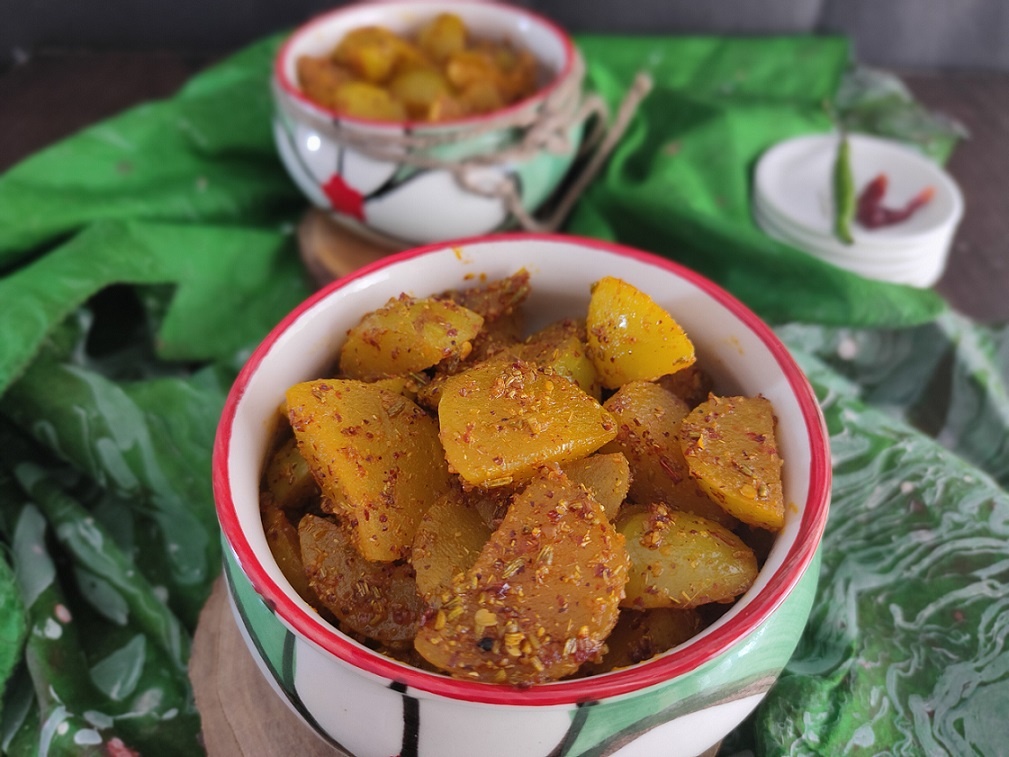
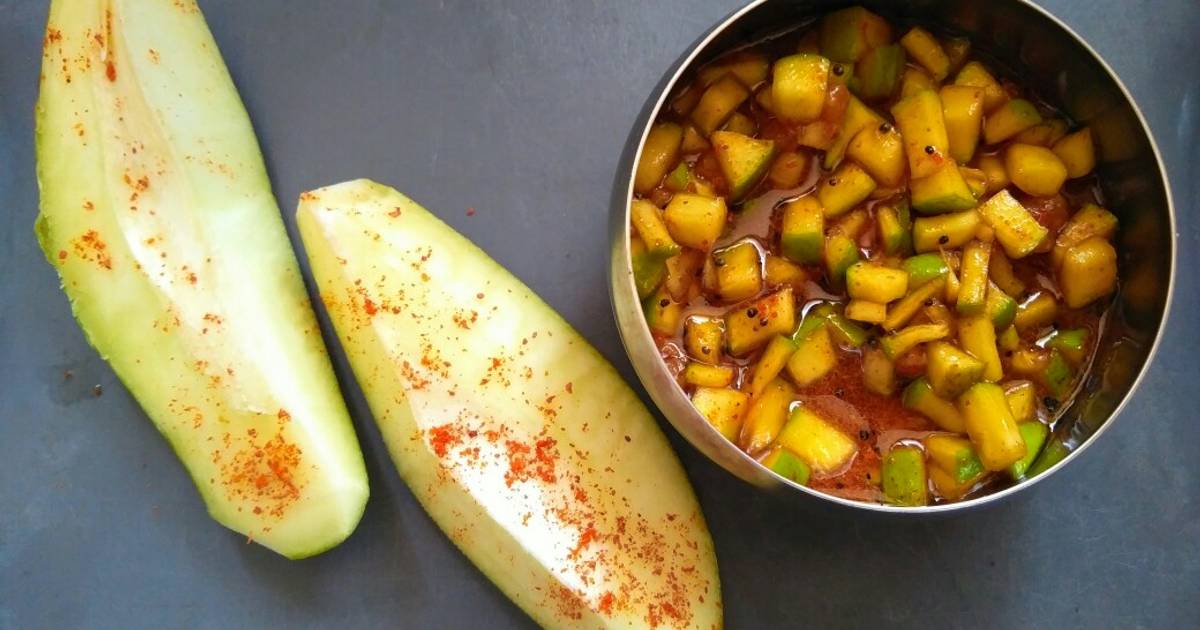

 A simple yet flavorful pickle made with lemons, typically prepared without oil.
Ancient Beginnings and Historical Significance
The practice of pickling, which involves preserving foods in vinegar, brine, or similar solutions, is one of the oldest food preservation methods. Archaeological evidence suggests that ancient Mesopotamians began pickling food around 2400 B.C. Cucumbers native to India were pickled in the Tigris Valley several centuries later.
Famous Advocates and Health Benefits
Historical figures like Cleopatra, Julius Caesar, and Napoleon Bonaparte praised pickles for their health benefits. Cleopatra attributed her health and beauty to pickles, while Roman emperors, including Caesar, provided them to their troops for strength.
Pickles and the Age of Exploration
During the Age of Exploration, pickles gained significance due to their vitamin C content, which helped prevent scurvy among sailors. Christopher Columbus brought pickles to America, where they were favored for long voyages. Columbus even grew cucumbers in Haiti to replenish his supplies.
The Rise of the Pickle Industry in America
By the 1650s, Dutch farmers in New York began growing cucumbers, leading to the establishment of the world’s largest pickle industry. Eastern European Jewish immigrants introduced kosher dill pickles to America, further popularizing pickles in the region.
Technological Advancements in Pickle Preservation
In the 19th century, technological advancements played a significant role in pickle preservation. Napoleon Bonaparte offered a substantial reward for developing the best preservation method for pickles and other food. Nicolas Appert won this competition in 1809 by inventing a method to preserve food in sealed glass containers.
Heinz and the Marketing of Pickles
The H.J. Heinz Company significantly influenced the pickle industry. At the 1893 Chicago World’s Fair, Heinz used innovative marketing strategies, such as giving out pickle pins, to promote their products. This tactic was highly successful and repeated at subsequent fairs.
Pickles in the 20th Century
During World War II, the U.S. government rationed pickles, with 40% of the nation’s pickle production going to the armed forces. In 1948, Pickle Packers International, founded in 1893, launched International Pickle Week, celebrating the importance of pickles in American culture and cuisine.






