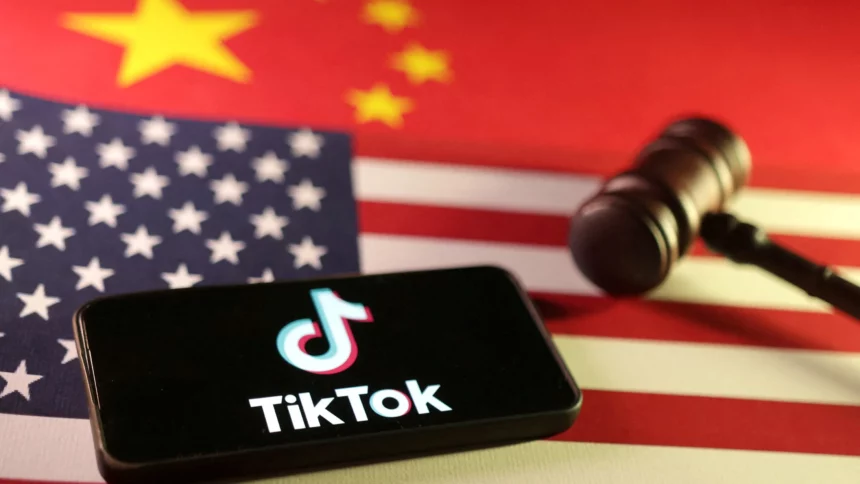
The future of TikTok in the United States hangs in the balance as the country inches closer to a pivotal deadline. Congress passed legislation last year mandating TikTok’s Chinese parent company, ByteDance, to either sell the platform or face an outright ban in the US. The law is set to take effect this Sunday, placing TikTok at a critical juncture. The US Supreme Court is expected to issue a ruling this week on TikTok’s challenge to the law, which could determine the platform’s fate in the country.
With over 170 million American users, TikTok has become a cultural phenomenon, a hub for content creators, and a platform for brands and advertisers. However, its ties to ByteDance have raised national security concerns, particularly regarding potential data-sharing with the Chinese government. These concerns have fueled bipartisan support for the legislation aimed at restricting the platform’s operations in the US.
If the ban is upheld, the US government is expected to instruct Apple and Google to remove TikTok from their app stores. This move would prevent new downloads of the app, but existing users would still retain access unless TikTok itself decides to block them. TikTok’s lawyer, Noel Francisco, hinted at the possibility of the platform going offline for American users if the Supreme Court fails to block the ban. However, industry observers remain skeptical that ByteDance would voluntarily shut down access to such a vast user base.
Even if the app remains operational for existing users, a ban would halt all security and software updates, leading to potential vulnerabilities and a decline in user experience. Workarounds, such as using virtual private networks (VPNs) to bypass restrictions, may emerge as a temporary solution. However, such measures would likely intensify scrutiny from US authorities, especially if TikTok attempts to maintain updates through non-US servers or partnerships with foreign companies.
The incoming administration of President-elect Donald Trump is expected to play a significant role in determining how the law is enforced. The decision could fall to the new attorney general, who may choose to delay or modify the law’s implementation. Trump has the option to engage with the Republican majority in Congress to explore alternative solutions, such as extending the timeline for ByteDance to find a buyer or develop other strategies to comply with the legislation.
The potential ban raises questions about the future of TikTok users and creators in the US. Many are likely to migrate to alternative platforms, such as Instagram Reels and YouTube Shorts, which have grown rapidly and could benefit significantly from TikTok’s absence. Elon Musk’s X (formerly Twitter) is another contender, as Musk has expressed ambitions to transform the platform into a video-centric hub similar to TikTok. Some American creators have already started exploring other Chinese platforms, such as Xiaohongshu (Red Note), which recently topped Apple App Store downloads.
The possibility of a buyout also remains on the table. While ByteDance has ruled out a sale for now, several potential buyers have expressed interest. A consortium led by former Los Angeles Dodgers owner Frank McCourt and Canadian businessman Kevin O’Leary is reportedly eyeing the platform. O’Leary, who recently met with Trump, indicated that the president-elect views TikTok as a key bargaining chip in US-China relations. Other interested parties include former Activision Blizzard CEO Bobby Kotick, whose potential involvement underscores the growing interest in acquiring the platform.
China’s stance on the matter adds another layer of complexity. Recent reports suggested that Chinese authorities might entertain the idea of a buyout by Elon Musk, but ByteDance quickly denied these claims. The situation reflects the intricate geopolitical dynamics surrounding TikTok, with the platform becoming a focal point in the broader US-China rivalry.
For now, TikTok’s immediate future hinges on the Supreme Court’s ruling. The platform’s legal team has urged the justices to delay the implementation of the ban, arguing for “breathing space” to negotiate a resolution. This legal battle highlights the broader implications of technology, data privacy, and global competition in a rapidly evolving digital landscape.
As the Sunday deadline looms, the stakes are high not only for ByteDance and TikTok but also for the millions of users and creators who rely on the platform. The decision could set a precedent for how nations address the challenges posed by global tech giants and their ties to foreign governments. For now, the world watches as TikTok’s fate is decided in the highest court of the United States.