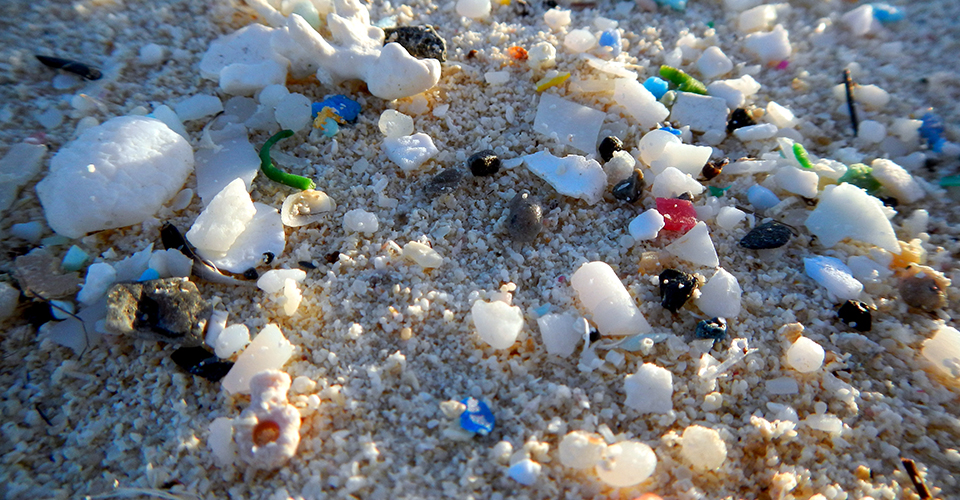
Microplastics, defined as plastic particles less than five millimeters in diameter, have emerged as a significant environmental concern due to their pervasive presence in marine ecosystems. Originating from the breakdown of larger plastic debris, microbeads in personal care products, and synthetic fibers from textiles, these tiny plastic fragments are now ubiquitous in the ocean. Once they enter the marine environment, microplastics pose severe threats to marine life and ecosystems, demanding immediate attention and action.
Sources and Entry Points
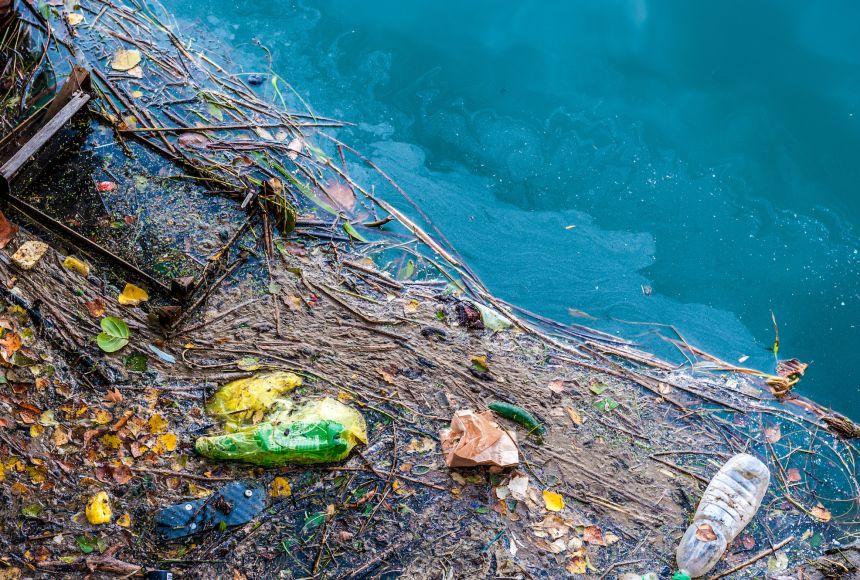
The primary routes through which microplastics enter the oceans include wastewater discharge, stormwater runoff, and direct littering. These particles, once in the water, are ingested by a wide range of marine organisms, from plankton and fish to seabirds and mammals. The ingestion of microplastics can lead to physical harm, such as blockages in the digestive system, and chemical harm due to the absorption of toxic pollutants. These pollutants, which include heavy metals and persistent organic pollutants (POPs), can leach from the microplastics and accumulate in the tissues of marine organisms, potentially entering the food chain and affecting human health.
Ecological Disruption
The presence of microplastics in marine ecosystems disrupts the natural balance of these environments. Plankton, which forms the base of the marine food web, can mistake microplastics for food, leading to reduced energy intake and growth. This, in turn, affects the species that feed on plankton, creating a cascading effect throughout the ecosystem. Fish and other marine animals that consume microplastics may experience reduced reproductive success and impaired development, further destabilizing populations.
Microplastics also have broader ecological impacts. They can alter the physical properties of marine habitats, such as beaches and seabeds, by accumulating in sediments. This accumulation can affect the organisms that live in these habitats and disrupt processes like nutrient cycling and sediment stability. Moreover, the transport of microplastics by ocean currents can lead to the spread of invasive species and pathogens, posing additional threats to marine biodiversity.

Mitigation Strategies
Addressing the issue of microplastics requires a multi-faceted approach. Efforts to reduce plastic production and consumption are crucial, as are improved waste management practices to prevent plastic waste from entering the marine environment. Additionally, public awareness campaigns and education can help reduce littering and promote sustainable behaviors. Research into biodegradable alternatives and innovative technologies for removing microplastics from the ocean is also essential.
The impact of microplastics on marine ecosystems is profound and far-reaching. The ingestion and accumulation of these particles by marine organisms disrupt the natural balance of ecosystems, harm marine life, and pose potential risks to human health.