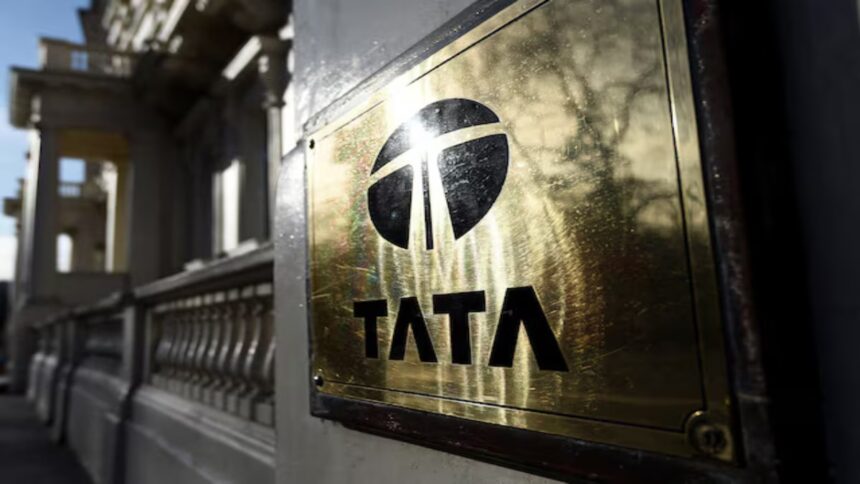
The Tata Group, one of India’s most venerable and influential conglomerates, is currently grappling with an intense boardroom conflict that has attracted the attention of the highest levels of government. Amid internal divisions within Tata Trusts and Tata Sons Pvt. Ltd., the Union government has intervened, urging the conglomerate to take all necessary measures to restore stability. The dispute, which revolves around board seats, strategic decision-making, and communication gaps among trustees, highlights the delicate balance between private corporate governance and public responsibility, given Tata Group’s systemic significance in the Indian economy. Top officials from Tata Trusts and Tata Sons, including Noel Tata and Natarajan Chandrasekaran, met with Home Minister Amit Shah and Finance Minister Nirmala Sitharaman in New Delhi for a 45-minute discussion aimed at diffusing tensions and maintaining organizational continuity. The intervention underscores the critical role the conglomerate plays in the national economy, the political sensitivity of its operations, and the need for discretion in resolving internal conflicts.
The Tata Trusts Conflict: Divisions, Stakeholding, and Governance Challenges
The current crisis within Tata Trusts represents a significant challenge to the group’s governance structure. Tata Trusts, the principal shareholder of Tata Sons with a controlling stake of nearly 66%, holds immense influence over the 156-year-old conglomerate, which comprises over 400 companies including 30 listed entities and a global footprint valued at around $180 billion. The conflict has effectively split the Tata Trusts board into two camps. One camp, aligned with Noel Tata, includes Venu Srinivasan and Vijay Singh, while the other group, led by Mehli Mistry, comprises trustees Darius Khambata, Citibank India CEO Pramit Jhaveri, and Jehangir Hospital Chairman Jehangir H.C. Jehangir. The dispute revolves around communication failures regarding Tata Sons’ strategic developments and appointments, notably the ouster of former Defence Secretary Vijay Singh from the Tata Sons board after a contentious meeting on 11 September.
The faction led by Mehli Mistry has expressed frustration over what it perceives as a lack of transparency and exclusion from key decisions, especially those involving Tata Sons’ board operations. This internal division has sparked concerns within the government that disputes within Tata Trusts could spill over into the broader management of Tata Sons and other group companies, potentially affecting the conglomerate’s stability, investor confidence, and overall contribution to the Indian economy. Observers note that Tata Trusts’ dual role as both a philanthropic institution and a controlling shareholder imposes an added layer of responsibility, underscoring the expectation that internal conflicts be managed discreetly to prevent reputational or operational fallout.
The current boardroom discord also coincides with critical corporate maneuvers at Tata Sons. The conglomerate is in the process of negotiating with the Reserve Bank of India to maintain its private status, and ongoing discussions regarding the exit of the Shapoorji Pallonji family, the largest minority shareholder with an 18.38% stake, add complexity to governance decisions. The interplay between Tata Trusts’ internal dynamics and Tata Sons’ strategic negotiations illustrates the high-stakes environment in which the conglomerate operates, where leadership decisions have far-reaching implications for both business performance and broader economic stability.
Tata Sons Board Seats and Leadership Implications
The Tata Sons board is currently navigating a period of transition, with several key positions either vacant or set to become available due to superannuation and resignations. The board currently consists of five active members, including Chairman Natarajan Chandrasekaran, Noel Tata, Venu Srinivasan, Harish Manwani of Hindustan Unilever Ltd., and Group CFO Saurabh Agrawal. Notably, Jaguar Land Rover’s outgoing CEO Ralf Speth and Piramal Group’s Ajay Piramal are expected to step down, while independent director Leo Puri resigned in April. This leaves a minimum of three board vacancies to be filled, with the potential addition of Vijay Singh, contingent on decisions at the upcoming Tata Trusts board meeting scheduled for 10 October.
The stakes are particularly high given the critical decisions pending at Tata Sons, including corporate restructuring, private status negotiations, and strategic realignment with minority shareholders. Tata Trusts’ representatives on the board wield considerable influence over these processes, making the internal cohesion of Tata Trusts essential for maintaining group stability. The government’s involvement signals the broader economic and systemic importance of these appointments and the expectation that the conglomerate will resolve disputes internally without affecting operational continuity or investor confidence.
Observers also note that the Tata Group’s global reputation for stability and ethical governance is at risk amid these internal divisions. Given its extensive footprint in India and abroad, including major industrial, automotive, IT, and philanthropic ventures, any perceived governance instability could have ripple effects across markets, investor relations, and partnerships. The current crisis thus presents both a governance challenge and an opportunity for Tata Group’s leadership to reinforce its internal cohesion, clarify strategic priorities, and uphold its longstanding reputation for corporate stewardship and social responsibility.
The government’s messaging to Tata Group officials—emphasizing the need to “do what it takes” to restore boardroom stability—reflects the delicate interplay between private enterprise and public interest in India’s economic ecosystem. While Tata Trusts and Tata Sons remain private entities, their influence over employment, industrial output, and corporate culture makes the resolution of internal conflicts a matter of national significance. By urging discretion and internal resolution, the government seeks to prevent boardroom tensions from escalating into public or economic disruptions, reinforcing the principle that systemic corporate actors carry a quasi-public responsibility in India.
As the October 10 board meeting approaches, all eyes are on Tata Trusts and Tata Sons to observe how leadership, governance, and shareholder dynamics are managed. The outcome will not only determine the distribution of power within the conglomerate but will also have implications for Tata Group’s strategic direction, investor confidence, and its ability to navigate complex negotiations with minority stakeholders like the Shapoorji Pallonji family. Furthermore, the resolution of these internal disputes will set a precedent for managing corporate governance challenges in other large, family-influenced or trust-controlled Indian conglomerates.
In essence, the Tata Group boardroom conflict highlights the intricate balance between trust responsibilities, corporate governance, and strategic decision-making in one of India’s most significant business institutions. With government oversight signaling both concern and encouragement, the conglomerate faces a pivotal moment that will shape its operational stability, strategic priorities, and corporate culture in the years to come. The interplay of internal trustee factions, minority shareholder interests, and ongoing corporate negotiations presents a complex challenge that requires both diplomatic acumen and decisive action from Tata Group’s leadership.
The current situation also underscores the importance of transparent communication and collaborative decision-making within high-stakes corporate boards. As trustees and board members navigate differing viewpoints, conflicting interests, and strategic priorities, the ability to manage disagreements constructively will determine the conglomerate’s resilience and long-term success. Tata Group’s handling of this boardroom crisis will likely be closely watched by investors, industry peers, and policymakers alike, serving as a case study in corporate governance, trust management, and conflict resolution in India’s largest business houses.
The involvement of top government ministers Amit Shah and Nirmala Sitharaman underscores the broader economic and political significance of the Tata Group’s stability. Their engagement with Tata Trusts and Tata Sons officials indicates the high priority assigned to ensuring continuity, resolving internal disputes, and safeguarding investor and market confidence. This intervention also reflects an acknowledgment of Tata Group’s role as a systemic contributor to India’s economy, where boardroom disruptions could have cascading effects across sectors ranging from manufacturing and IT services to automotive and philanthropy.
As the boardroom conflict unfolds, Tata Group’s leadership faces multiple pressures: aligning internal factions, managing shareholder expectations, maintaining operational performance, and upholding the conglomerate’s legacy of ethical governance and social responsibility. Balancing these demands requires strategic foresight, negotiation skills, and the ability to implement timely decisions that reinforce trust and cohesion within the organization. The outcome of the upcoming board meetings will not only resolve immediate disputes but will also signal Tata Group’s approach to governance, succession planning, and internal conflict resolution in an era of complex corporate ecosystems.
The current crisis also highlights the interconnected nature of India’s corporate governance landscape. Large conglomerates like Tata, often characterized by trust-based shareholding and significant public impact, must navigate both internal decision-making and external expectations. Effective resolution of the Tata Trusts conflict will likely influence corporate governance norms across India, demonstrating how major family-influenced or trust-controlled business entities manage leadership challenges while balancing operational continuity, strategic priorities, and public interest considerations.
In the backdrop of this boardroom dispute, Tata Group’s ability to sustain investor confidence, manage internal divisions, and maintain its reputation for stability and ethical governance will be critical. The conglomerate’s response to government messaging, internal negotiations, and strategic appointments will shape the future trajectory of Tata Sons and its affiliated companies. With multiple vacancies and critical decisions pending, the trust’s internal dynamics and alignment with Tata Sons’ strategic goals remain at the forefront of corporate discussions.
The resolution of this boardroom conflict will also have implications for Tata Group’s broader business strategy, including its approach to global partnerships, industrial expansion, and philanthropic initiatives. By successfully navigating internal disputes and reinforcing cohesive governance structures, Tata Group can continue to consolidate its position as a leading global conglomerate, maintaining its influence over India’s economic landscape and preserving investor trust.
Ultimately, the Tata Trusts and Tata Sons boardroom situation serves as a compelling example of how complex corporate governance challenges intersect with public interest, shareholder dynamics, and strategic priorities. The government’s active engagement and emphasis on internal resolution underscore the systemic importance of the Tata Group, while highlighting the delicate balance between private decision-making and national economic interests. Tata Group’s leadership is thus tasked with managing not only corporate operations but also broader expectations from investors, regulators, and the public.
The coming weeks and the board meeting scheduled for October 10 will be pivotal in determining how Tata Trusts and Tata Sons navigate their internal divisions, restore boardroom stability, and ensure the continued operational effectiveness of one of India’s most iconic business groups. The manner in which these conflicts are resolved will serve as a benchmark for corporate governance practices in India and set the tone for how major conglomerates manage leadership challenges in an era of heightened scrutiny and systemic significance.
The Tata Group boardroom crisis exemplifies the complexities of managing leadership, shareholder, and governance challenges in a high-stakes corporate environment. The resolution of these internal conflicts will determine the group’s operational stability, strategic direction, and the maintenance of its legacy as a responsible, globally respected conglomerate with deep roots in India’s economic and social fabric.