The future of TikTok in the United States is now in the hands of the Supreme Court, which is set to hear oral arguments this Friday in a pivotal case that could result in a nationwide ban of the app as early as next week. The court will consider whether the Protecting Americans from Foreign Adversary Controlled Applications Act, the legislation that targets TikTok, infringes on the First Amendment rights to free speech guaranteed by the U.S. Constitution.
This case is of particular importance as it could set a precedent for regulating speech on digital platforms, potentially altering how future technology companies operate in the U.S. If the law stands, it could lead to severe consequences for both TikTok’s Chinese parent company, ByteDance, and the app’s millions of U.S. users. The law imposes harsh civil penalties on any “entities” that continue to operate the app after January 19, 2025, making it critical for the court to address these concerns in a timely manner.
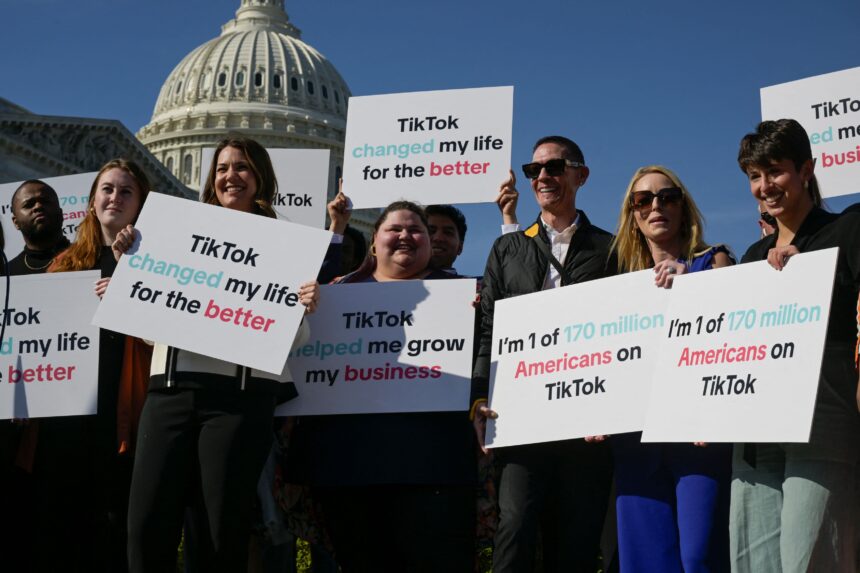
The impact of a potential TikTok ban on users would be far-reaching, with around 115 million monthly active users in the U.S. potentially facing a variety of scenarios. If the court does not issue a ruling before the law takes effect, users who have already downloaded TikTok may still be able to post content and interact with the app. However, they would be unable to update or redownload the app after the law’s enforcement date, according to legal experts. This would leave users in a state of uncertainty, with some questioning the app’s future viability in the U.S.
Additionally, thousands of content creators who rely on TikTok for income through ad revenue, paid partnerships, and merchandise sales would be forced to pivot to other platforms, such as YouTube or Instagram. This would represent a significant disruption for creators who have built their businesses around the app’s unique features and vast reach.
The potential shutdown of TikTok has garnered significant attention, with many critics expressing concerns over its broader implications for online speech. George Wang, a staff attorney at the Knight First Amendment Institute, warned that such a move could set a dangerous precedent for online speech regulation. “Shutting down TikTok, even for a single day, would be a big deal, not just for people who create content on TikTok, but everyone who shares or views content,” Wang said. He stressed that the decision could pave the way for more stringent government control over platforms, threatening free speech.
Support for and against the ban has been sharply divided. Numerous amicus briefs have been filed by organizations, lawmakers, and even former President Donald Trump, both for and against the government’s stance. The U.S. government, led by Attorney General Merrick Garland, argues that TikTok, as owned by ByteDance, poses a national security risk. The government claims that the app remains a “powerful tool for espionage” and a vehicle for covert influence operations by the Chinese government, unless ByteDance sells TikTok to a U.S. company.
Trump, in his brief, refrains from taking a clear side but expresses opposition to the outright ban of TikTok. His brief encourages the court to allow him to seek a political solution that would address national security concerns while keeping the app operational. Trump has been an advocate for TikTok, recognizing its role in political campaigns, including his own, where he leveraged the platform to engage with younger voters. He also pointed to its significance during the 2024 presidential election, particularly as a key news source for younger Americans.
The case’s expedited hearing has led many to believe that the Supreme Court could issue a decision swiftly, though the timeline remains uncertain. This case is significant not only because of TikTok’s large U.S. user base but also due to the broader questions it raises about the balance between national security concerns and the protection of free speech. Erwin Chemerinsky, the dean of Berkeley Law, noted the unprecedented nature of the government attempting to restrict speech on such a widespread platform. “It’s unprecedented for the government to prohibit platforms for speech, especially one so many people use,” he said. “Ultimately, this is a tension between free speech issues on the one hand and claims of national security on the other.”
As the case moves forward, its outcome will have far-reaching consequences, not just for TikTok but for how the U.S. government regulates digital platforms in the future. With millions of users potentially impacted, the decision will likely set the tone for future battles between tech companies and national security concerns, highlighting the growing role that social media plays in both public discourse and political power. The court’s ruling could also affect other social media platforms, as governments globally begin to scrutinize foreign-controlled apps for potential security risks.