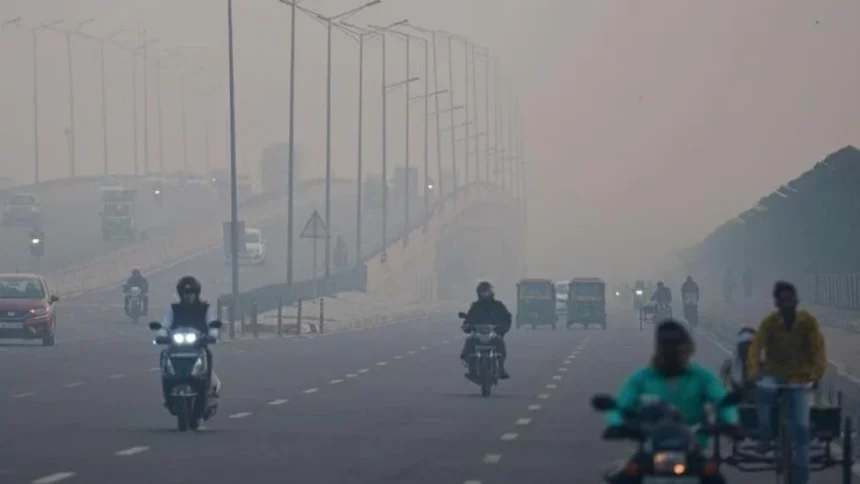
The worsening air pollution crisis in Delhi-NCR has once again come under sharp judicial focus, with the Supreme Court scheduling a hearing on December 17, 2025, to address the alarming decline in air quality across the region. Despite the presence of multiple regulatory frameworks and preventive measures introduced over the years, the situation continues to deteriorate, raising serious questions about governance, coordination, and accountability among authorities. The issue has become particularly severe during the winter months when pollution levels spike dramatically due to a combination of local emissions and unfavorable weather conditions. The court’s intervention underscores a critical concern: while policies and mechanisms exist to control pollution, their implementation remains inconsistent and largely ineffective on the ground. This gap between policy and practice has contributed significantly to the persistence of hazardous air quality levels, affecting millions of residents in the national capital region. The plea being heard emphasizes that the core problem is not the absence of solutions but the failure to enforce them properly, prompting the judiciary to step in and examine the systemic shortcomings that have allowed the crisis to escalate year after year.
The Delhi-NCR region has long struggled with air pollution, but the recurring nature of the crisis highlights deeper structural issues that go beyond seasonal factors. Authorities have implemented measures such as restrictions on construction activities, limits on vehicular movement, and monitoring of industrial emissions. Emergency responses like the Graded Response Action Plan (GRAP) are activated during severe pollution episodes, aiming to curb immediate sources of pollution. However, these measures often fall short due to weak enforcement, lack of coordination among agencies, and insufficient monitoring mechanisms. The fragmented administrative structure of the region, which includes multiple states and governing bodies, further complicates the situation. Each jurisdiction operates with its own priorities and levels of enforcement, resulting in uneven implementation of rules. For instance, strict measures in one area may be undermined by lax enforcement in neighboring regions, thereby reducing the overall effectiveness of pollution control efforts. This lack of uniformity and coordination has emerged as a major obstacle in addressing the crisis comprehensively, as pollution does not adhere to administrative boundaries.
Another critical aspect of the problem is the issue of accountability. When pollution levels rise despite the existence of preventive measures, it becomes difficult to pinpoint responsibility among the various authorities involved. This diffusion of accountability allows lapses to persist without significant consequences, creating a cycle of inaction and reactive measures. The Supreme Court’s focus on implementation signals an important shift toward ensuring that authorities are held accountable not only for designing policies but also for executing them effectively. The court is likely to examine whether existing mechanisms are being followed in letter and spirit and may call for stricter monitoring and reporting systems to ensure compliance. Such measures could include real-time tracking of pollution sources, regular audits of enforcement agencies, and clear delineation of responsibilities among different authorities. By emphasizing accountability, the judiciary aims to address one of the root causes of the crisis and push for more effective governance.
The health implications of the air pollution crisis in Delhi-NCR are severe and far-reaching. Prolonged exposure to polluted air has been linked to a range of health problems, including respiratory diseases, cardiovascular conditions, and weakened immune systems. Vulnerable populations such as children, the elderly, and individuals with pre-existing health conditions are particularly at risk. Hospitals in the region often witness a surge in patients during peak pollution periods, with cases of asthma, bronchitis, and other respiratory ailments increasing significantly. The impact is not limited to physical health; poor air quality also affects mental well-being, productivity, and overall quality of life. Schools are frequently forced to suspend outdoor activities or shut down temporarily, disrupting education and daily routines. The economic cost of the crisis is equally significant, as increased healthcare expenses and reduced workforce productivity place a burden on both individuals and the broader economy. These consequences highlight the urgent need for effective and sustained action to improve air quality and protect public health.
Environmental damage caused by air pollution is another major concern that cannot be overlooked. High levels of pollutants contribute to climate change, degrade ecosystems, and negatively impact biodiversity. Agricultural productivity in surrounding regions is also affected, as pollutants can damage crops and reduce soil quality. The thick layer of smog that blankets Delhi-NCR during winter is a visible manifestation of these environmental challenges, symbolizing the scale and complexity of the problem. Addressing this issue requires not only immediate measures to reduce emissions but also long-term strategies aimed at sustainable development. Transitioning to cleaner energy sources, promoting the use of public transportation, and encouraging environmentally friendly practices are essential steps in this direction. However, these initiatives must be supported by strong enforcement mechanisms and widespread public participation to achieve meaningful results.
The role of the judiciary in addressing environmental issues has been significant in India, with the Supreme Court often stepping in to fill gaps left by administrative inaction. Over the years, the court has issued several directives aimed at controlling pollution, including the introduction of cleaner fuels, regulation of industrial emissions, and restrictions on certain activities during high pollution periods. The upcoming hearing represents another opportunity for the court to assess the effectiveness of existing measures and explore ways to strengthen their implementation. It is expected that the court will seek detailed reports from authorities, evaluate the current state of enforcement, and consider additional measures to ensure compliance. This could involve stricter penalties for violations, enhanced monitoring systems, and greater coordination among states and agencies. The court may also emphasize the importance of data-driven decision-making, encouraging the use of technology to track pollution levels and identify sources more accurately.
Public participation is a crucial component of any successful strategy to combat air pollution. While government policies and enforcement mechanisms play a central role, individual behavior and community engagement are equally important. Reducing reliance on private vehicles, adopting sustainable practices, and adhering to guidelines during high pollution periods can collectively make a significant difference. However, achieving this requires effective communication and awareness campaigns that educate citizens about the impact of their actions and the importance of compliance. Building a sense of shared responsibility is essential to create lasting change and ensure that efforts to improve air quality are supported by the public.
The upcoming Supreme Court hearing comes at a critical time when the need for decisive action is more urgent than ever. The persistent nature of the air pollution crisis in Delhi-NCR indicates that incremental measures are no longer sufficient and that a more comprehensive and coordinated approach is required. By focusing on the implementation of existing measures, the court is addressing a fundamental issue that has hindered progress for years. The outcome of the hearing could have significant implications for how pollution is managed in the region, potentially leading to stronger enforcement mechanisms and greater accountability among authorities. It also serves as a reminder that addressing complex environmental challenges requires sustained effort, collaboration, and commitment from all stakeholders involved.
Ultimately, the success of any intervention will depend on the willingness of authorities to enforce regulations effectively and the readiness of citizens to adopt sustainable practices. The Supreme Court’s involvement provides an opportunity to reassess current strategies, identify gaps, and implement solutions that can deliver tangible improvements in air quality. As Delhi-NCR continues to grapple with the challenges of air pollution, the upcoming hearing represents a crucial step toward ensuring that existing measures are not only implemented but also produce meaningful and lasting results.