


As the world becomes more health-conscious, the focus on building a robust immune system has never been more critical. While supplements and vitamins are often highlighted, the foundation of a strong immune system lies in the consumption of whole foods. These foods, rich in essential vitamins, minerals, and antioxidants, play a pivotal role in maintaining and enhancing immune function.
The Power of Nutrient-Dense Foods
Whole foods are those that are unprocessed or minimally processed, preserving their natural nutrients. These include fruits, vegetables, whole grains, nuts, seeds, and lean proteins. Unlike processed foods, which often lose vital nutrients during manufacturing, whole foods retain the vitamins and minerals that are crucial for supporting the immune system. For instance, fruits and vegetables are abundant in vitamins A, C, and E, which are known for their immune-boosting properties. These vitamins act as antioxidants, helping to combat oxidative stress and reduce inflammation, both of which can weaken the immune system.

Key Vitamins and Minerals for Immune Health
Vitamins and minerals found in whole foods are indispensable for immune function. Vitamin C, commonly found in citrus fruits, bell peppers, and strawberries, is renowned for its ability to enhance the production of white blood cells, which are essential for fighting infections. Vitamin A, present in carrots, sweet potatoes, and spinach, plays a critical role in maintaining the health of the skin and mucous membranes, the body’s first line of defence against pathogens.
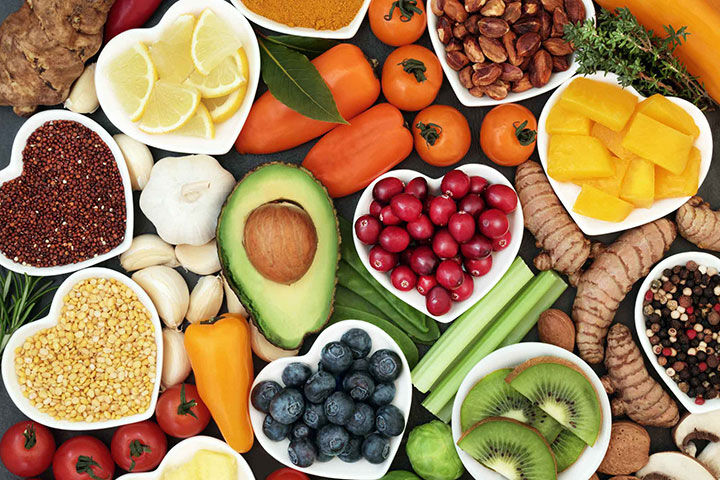
Zinc, another crucial mineral, is abundant in whole foods like nuts, seeds, and legumes. It is involved in the development and function of immune cells and has been shown to reduce the severity and duration of illnesses. Similarly, selenium, found in Brazil nuts, seafood, and eggs, supports the body’s antioxidant defence system, protecting cells from damage and boosting overall immunity.
Whole Foods vs. Processed Foods
While supplements can be beneficial, they are not a substitute for the diverse nutrients found in whole foods. Processed foods often lack the necessary vitamins and minerals that the immune system requires to function optimally. Furthermore, these foods can be high in sugar, unhealthy fats, and additives, which may contribute to inflammation and weaken the immune response. A diet rich in whole foods provides a balanced intake of nutrients that work synergistically to support overall health.

Practical Steps to Incorporate Whole Foods
Incorporating whole foods into your diet doesn’t have to be complicated. Simple changes, such as replacing sugary snacks with fruits and nuts, or opting for whole grains instead of refined ones, can make a significant difference. Planning meals around a variety of colourful vegetables, lean proteins, and healthy fats ensures a diverse intake of immune-supporting nutrients.
In a time when maintaining a strong immune system is paramount, whole foods offer a natural and effective way to enhance immune function. By providing essential vitamins, minerals, and antioxidants, these nutrient-dense foods help the body defend against infections and diseases. Prioritizing whole foods in your diet is a powerful step towards better health and a more resilient immune system.






