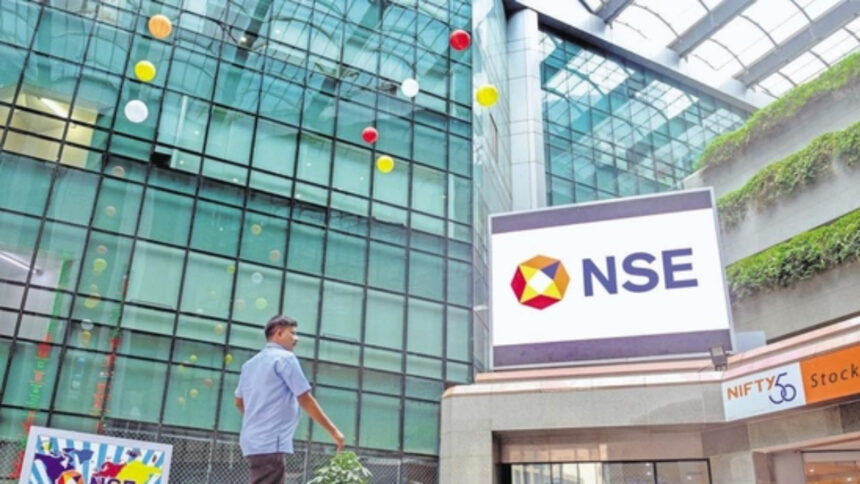
Trading activity across India’s financial markets has come to a complete halt on March 26, 2026, as both National Stock Exchange of India and Bombay Stock Exchange remain closed on account of Ram Navami. The closure affects all major segments including equities, derivatives, and currency markets, resulting in a full-day suspension of trading activity. This scheduled holiday arrives at a time when markets have been experiencing volatility due to global developments, particularly geopolitical tensions and economic uncertainty. As a result, the pause provides investors with an opportunity to reassess strategies, review portfolios, and prepare for upcoming trading sessions.
Market Closure Across All Segments and Its Impact
The closure of the stock market today applies uniformly across all trading segments. There is no activity in equities, equity derivatives, currency derivatives, securities lending and borrowing, or interest rate derivatives. Investors are unable to place buy or sell orders, and no transactions are being executed throughout the day. This halt ensures consistency across both exchanges and prevents any discrepancies in trading operations. Settlement cycles for trades executed before the holiday are adjusted in accordance with exchange guidelines, and clearing processes will resume once markets reopen.
The absence of trading also means that domestic investors cannot immediately react to global market developments. Any major international events occurring during this period may influence market sentiment when trading resumes. This delay in reaction can sometimes lead to sharp movements in the market on the following trading day, as accumulated global cues are priced in simultaneously.
Commodity Market Timings and Holiday Structure
While equity markets remain fully closed, commodity markets operate under a different structure. The commodity derivatives segment does not remain entirely shut for the day. The morning session is closed, but trading resumes in the evening session, allowing participants to respond to global commodity price movements. This dual-session structure ensures that some level of trading continuity is maintained, even during holidays.
However, not all commodity exchanges follow the same schedule. Some remain closed for both sessions, resulting in a complete halt in trading activity. This variation can create confusion among traders, particularly those who participate in multiple segments. Understanding the differences in trading hours is essential for effective planning and risk management.
Upcoming Holidays and Shortened Trading Weeks
The holiday on March 26 marks the beginning of a series of upcoming market closures that will lead to shorter trading weeks. Markets will remain closed again on March 31 for Mahavir Jayanti and on April 3 for Good Friday. These consecutive holidays reduce the number of active trading sessions, creating extended weekends for investors and traders.
Shortened trading weeks often influence market behavior. Liquidity may decline as participants reduce activity ahead of holidays, and volatility may increase when markets reopen due to the accumulation of global developments. Traders often adjust their strategies by reducing exposure or booking profits before such breaks to manage potential risks.
Stock Market Holiday Calendar 2026 and Key Dates
The official holiday calendar for 2026 includes a total of 16 trading holidays. These holidays are distributed across the year to balance uninterrupted trading with the observance of important national and cultural events. After Ram Navami, upcoming holidays include Mahavir Jayanti and Good Friday, followed by Ambedkar Jayanti in April.
Further into the year, markets will remain closed on Maharashtra Day, Bakri Eid, Muharram, Ganesh Chaturthi, Gandhi Jayanti, Dussehra, Diwali Balipratipada, Guru Nanak Jayanti, and Christmas. This structured calendar helps investors plan their trading activities and manage portfolios effectively. Awareness of these dates is crucial for both short-term traders and long-term investors.
Market Performance Before Holiday and Investor Sentiment
Before the holiday, the stock market showed signs of recovery after a period of volatility. Benchmark indices recorded gains for two consecutive sessions, supported by buying across sectors and improved participation in broader markets. The upward movement reflected renewed confidence among investors, although caution remained due to ongoing global uncertainties.
The recent gains were particularly notable as they followed a phase of weakness linked to geopolitical tensions in West Asia. Improved domestic cues and selective sectoral strength contributed to the positive momentum. The holiday provides a pause for investors to analyze these trends and prepare for the next phase of market activity.
Key Considerations for Investors During Market Closure
Investors should remain aware of trading schedules and plan their strategies accordingly. Since no trading is taking place today, monitoring global market developments becomes essential. Any significant changes in international markets may impact domestic indices when trading resumes.
Investors should also review their portfolios, assess risk exposure, and prepare for potential volatility. Awareness of upcoming holidays is important, as they can influence liquidity and trading strategies. A disciplined and informed approach helps investors navigate market conditions more effectively.
Broader Perspective on Market Operations and Stability
The functioning of stock markets during holidays reflects the balance between cultural observance and economic continuity. While holidays are necessary to recognize important events, maintaining a structured trading calendar ensures stability in financial systems.
Limited and predefined holidays help sustain investor confidence and ensure continuous participation in markets. As the number of retail investors continues to grow, understanding trading schedules becomes increasingly important. Knowledge of these factors contributes to better decision-making and long-term financial success.