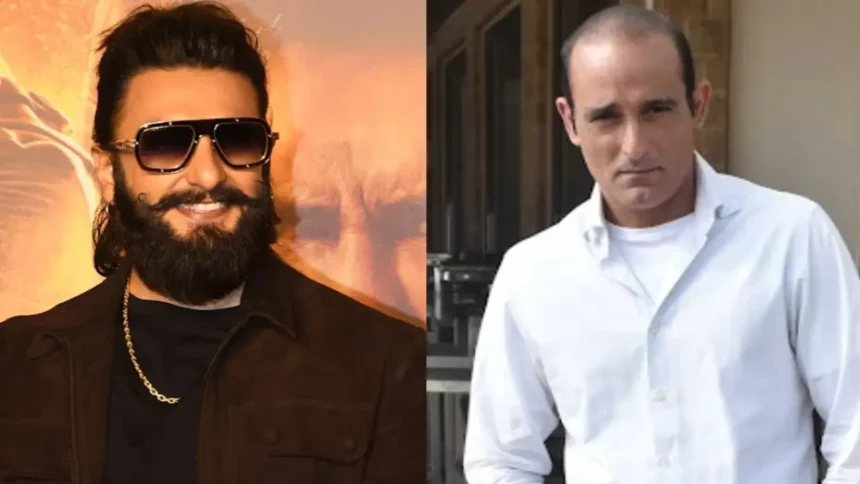
The release of Dhurandhar on Netflix has stirred unexpected controversy, drawing attention not just for the film’s cinematic grandeur, but for the issues surrounding its editing for OTT platforms. Originally a box office juggernaut, the movie featured an ensemble cast including Ranveer Singh, Akshaye Khanna, R Madhavan, Arjun Rampal, and Sanjay Dutt. Its theatrical run had already created waves, grossing over Rs 800 crore domestically and surpassing Rs 1,200 crore worldwide, marking it as one of the most successful Indian films of recent times. While fans eagerly anticipated its transition to streaming, the announcement of the film’s availability on Netflix was met with both excitement and apprehension. The excitement was quickly overshadowed by controversy when viewers noticed that the OTT version had been reduced by nine minutes compared to its theatrical release. This alteration was reportedly made without the consent of the film’s director, Aditya Dhar, raising questions about creative control, platform authority, and the balance between cinematic integrity and streaming mandates.
OTT Release Sparks Debate Over Film Edits
Dhurandhar originally ran for three hours and thirty-four minutes in theaters, offering audiences a sprawling cinematic experience that balanced intense action sequences, layered character development, and intricate narrative arcs. The film’s length allowed for a detailed exploration of its ensemble cast, giving each major character—Ranveer Singh’s dynamic portrayal, Akshaye Khanna’s nuanced performance, R Madhavan’s emotional depth, Arjun Rampal’s commanding presence, and Sanjay Dutt’s seasoned gravitas—a substantial screen presence. The theatrical version was carefully paced to ensure that the story unfolded organically, engaging audiences across the globe and contributing to its record-breaking box office numbers.
However, when Dhurandhar premiered on Netflix, viewers noticed that the runtime had been reduced to three hours and twenty-five minutes. While a nine-minute reduction might seem minor in numerical terms, in cinematic storytelling, such edits can significantly alter the audience’s experience. Reports suggest that Netflix executed the cuts independently, allegedly without informing or consulting Aditya Dhar. The absence of the director’s approval has led to widespread discussion about the limits of streaming platforms’ authority over films, especially when the director’s vision is central to the narrative. According to industry insiders, the decision to edit the film was influenced by standard streaming mandates regarding pacing, runtime, and audience engagement, but bypassing the director raises critical questions about creative rights and the integrity of cinematic work.
Fans and critics alike have expressed disappointment over the OTT version. Many viewers who had been captivated by the theatrical release noticed abrupt transitions, missing sequences, and altered pacing in key moments. Given that Dhurandhar is an ensemble-driven narrative, even minor cuts risk affecting character arcs and audience comprehension of pivotal plot points. The excitement surrounding the film’s OTT release was thus tempered by concerns over whether streaming edits could compromise the cinematic experience that contributed to the film’s monumental box office success. The debate also reflects a broader tension in the film industry: the differing expectations of streaming audiences versus theatrical audiences, and the balance between creative integrity and platform-imposed constraints.
Director and Production Team Respond to Streaming Edits
While the controversy grew, statements from industry sources and media reports began to shed light on the production team’s stance. Bollywood Hungama quoted a source revealing that Netflix implemented the edits without consulting Aditya Dhar, suggesting a disconnect between the platform and the director’s vision. The lack of communication has sparked discussions among cinephiles and industry professionals about the responsibilities of OTT platforms when handling high-profile, big-budget films. Critics argue that directors, especially those who helm commercially and critically successful projects, should retain oversight over edits, particularly when the film’s reception is closely tied to its narrative structure and storytelling style.
Another report, however, from Pinkvilla, offered a slightly different perspective, suggesting that the Dhurandhar team had submitted a fully unaltered version of the film to Netflix. According to sources quoted in the report, the version delivered to the streaming platform complied with all technical and formatting requirements mandated by Netflix but did not include cuts initiated by the production team or director. This distinction is crucial because it highlights the potential for platforms to impose edits independently, even when filmmakers provide content in its original, unaltered form. The friction between creative authority and streaming platform mandates has become increasingly relevant in the Indian film industry, where OTT releases are now a primary mode of content distribution.
Aditya Dhar, known for his meticulous approach to filmmaking and attention to narrative detail, has not publicly commented on the issue. Nevertheless, the controversy underscores the ongoing challenge for directors navigating the evolving landscape of digital streaming. For a film like Dhurandhar, whose success is inextricably linked to its carefully crafted pacing, character arcs, and plot intricacies, even minor edits can significantly affect the audience’s reception. The fact that Netflix allegedly implemented changes without consulting the director has ignited broader conversations about artistic ownership, contractual clarity, and the authority of streaming platforms in altering cinematic content.
Audience Reactions and Industry Implications
The response from audiences has been mixed but heavily critical. Many loyal fans of Ranveer Singh, Akshaye Khanna, and the rest of the ensemble cast were excited to experience Dhurandhar in the comfort of their homes, especially given the film’s long runtime and epic narrative. For some, the shortened version felt incomplete, with crucial sequences truncated or entirely missing. Social media platforms saw discussions erupting around the impact of the edits on the film’s storytelling and character development. Viewers debated whether Netflix’s version could be considered the definitive cut or if the theatrical version remained the gold standard of cinematic experience.
The controversy also signals broader implications for the Indian film industry. As OTT platforms become increasingly central to film distribution, questions about creative control, director’s authority, and content integrity are coming to the fore. Major films like Dhurandhar, which achieve both commercial success and critical acclaim, often have tightly controlled narratives. Unauthorized edits, even if technically minor, can disrupt the artistic vision, alter the rhythm of storytelling, and ultimately affect audience perception. Industry observers note that the incident may prompt filmmakers and production houses to negotiate more explicit terms with streaming platforms regarding approval rights for OTT releases, especially for high-profile projects with large budgets and ensemble casts.
The issue also resonates with broader debates about the future of film consumption. Streaming audiences often have different expectations, with a preference for slightly shorter runtimes to suit at-home viewing habits. Platforms like Netflix aim to optimize content for engagement, retention, and binge-watching patterns, sometimes resulting in modifications that may not align with the filmmaker’s original vision. For Dhurandhar, a film whose theatrical success was partly driven by its epic length and detailed storytelling, this tension between creative intent and platform optimization has become particularly pronounced.
Conclusion of Narrative Without Summarizing (as requested)
The Dhurandhar OTT release controversy exemplifies the complex interplay between cinematic artistry, platform mandates, and audience expectations. While the film continues to enjoy significant viewership on Netflix, the nine-minute cut has provoked debates about artistic control, contractual obligations, and the evolving role of digital streaming in the lifecycle of big-budget films. As more blockbuster films transition from theaters to OTT platforms, filmmakers, audiences, and streaming services alike are negotiating new norms for preserving creative integrity while meeting the operational demands of digital distribution. In the case of Dhurandhar, the incident has amplified conversations around director consent, narrative completeness, and the evolving power dynamics between traditional filmmaking and the OTT ecosystem.