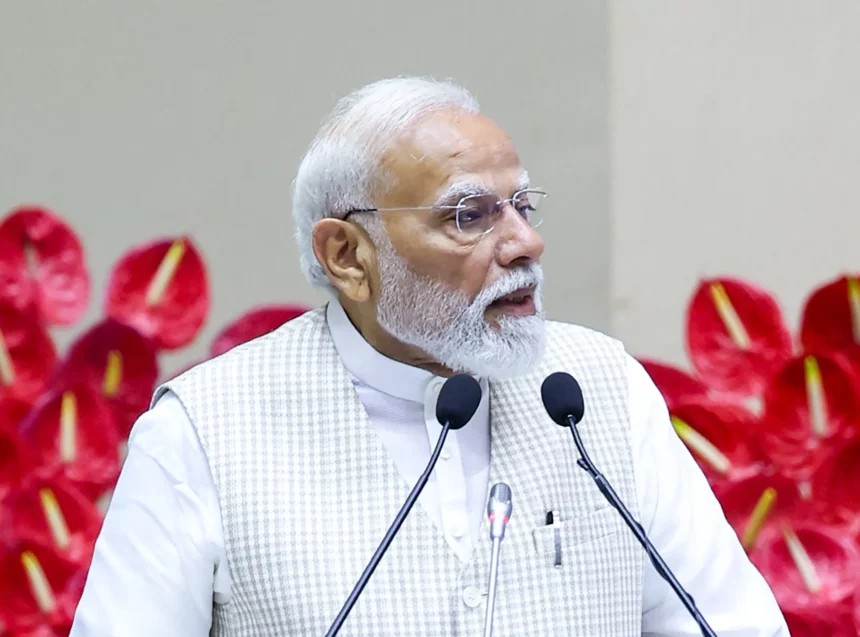
PM Modi Karnataka Visit on April 15 Focuses Mandya Religious Event
Prime Minister Narendra Modi is set to visit Karnataka on April 15, attending a major religious event in Mandya district while engaging with regional communities and cultural institutions.
India is witnessing another significant political and cultural moment as Narendra Modi undertakes a focused one-day visit to Karnataka. The visit is centered around Mandya district, where preparations have intensified for a high-profile programme at Sri Kshetra Adichunchanagiri. The visit blends governance outreach with cultural participation, reflecting the increasing importance of regional engagements in shaping national narratives. With ongoing political developments across states, such visits carry layered significance beyond ceremonial appearances, combining administrative presence with social connection.
Visit Schedule and Event Proceedings
The planned itinerary indicates an early morning departure from Delhi, followed by arrival at HAL Airport in Bengaluru. From there, the journey continues via helicopter to Mandya district, highlighting the tightly structured schedule of the visit. Security agencies and local administration have coordinated extensively to ensure smooth movement and crowd management, given the expected large turnout.
The central highlight of the visit is the inauguration of the Sri Guru Bhairavaikya Mandira at Sri Kshetra Adichunchanagiri. Scheduled around 11 AM, the programme is expected to include traditional rituals, ceremonial proceedings, and participation from religious leaders and devotees. The temple holds deep spiritual value, commemorating a revered seer and symbolizing continuity of spiritual traditions in Karnataka.
Infrastructure preparations have been accelerated in the region. Temporary helipads, security barricades, and crowd control mechanisms have been set up. Authorities have also coordinated transport arrangements and public access routes to facilitate smooth participation. Local administration has emphasized safety protocols while ensuring that public engagement remains inclusive.
The visit is expected to conclude within a few hours, with a return to Bengaluru and departure later the same day. Despite its short duration, the visit carries significant symbolic and practical importance, reflecting the efficiency and focus of high-level official tours.
Cultural and Religious Significance
The Adichunchanagiri Mutt is a prominent spiritual institution in Karnataka, with a long-standing history of social and religious contributions. The inauguration of a temple within this institution marks an important cultural milestone for the region. It represents not only a place of worship but also a center of community gathering and cultural preservation.
Religious institutions like Adichunchanagiri play a vital role in shaping local identity. They contribute to education, social welfare, and cultural continuity. The event underscores the connection between governance and grassroots cultural structures, highlighting how leadership engagement with such institutions reinforces broader societal ties.
Public participation is expected to be substantial, reflecting the strong emotional and cultural connection people have with the institution. Events of this nature often serve as platforms for community interaction, bringing together diverse groups under a shared cultural framework. The presence of national leadership further amplifies the importance of such gatherings.
The inauguration also symbolizes respect for spiritual traditions and acknowledgment of their role in contemporary society. It reinforces the idea that development and cultural heritage can coexist, complementing each other in shaping regional and national identity.
Political Context and Broader Implications
The Karnataka visit comes at a time when political activity across India remains dynamic. Regional visits by national leaders often carry strategic importance, contributing to political engagement and narrative building. Such events are closely observed for their potential impact on public perception and regional dynamics.
Mandya district holds particular significance due to its socio-political landscape. Engagement in such regions reflects an effort to strengthen connections with local communities and address regional aspirations. Public programmes and cultural events provide opportunities for direct interaction, fostering a sense of inclusion and participation.
The presence of senior political figures and large gatherings adds another dimension to the visit. It becomes a platform for reinforcing political messaging while maintaining a focus on cultural engagement. The blending of these elements demonstrates the multifaceted nature of contemporary leadership outreach.
Beyond immediate political implications, the visit also highlights a broader governance approach that integrates cultural engagement with administrative presence. It reflects an understanding that effective leadership involves connecting with diverse sections of society, including religious and cultural institutions.
The visit also contributes to strengthening federal relationships, emphasizing cooperation between central and state-level structures. Coordination between various administrative bodies showcases the importance of collaborative governance in executing high-profile events successfully.
Overall, the Karnataka visit represents a convergence of cultural significance, political strategy, and governance outreach. It underscores the evolving nature of leadership engagement in India, where public interaction, cultural respect, and administrative efficiency come together to shape impactful initiatives.