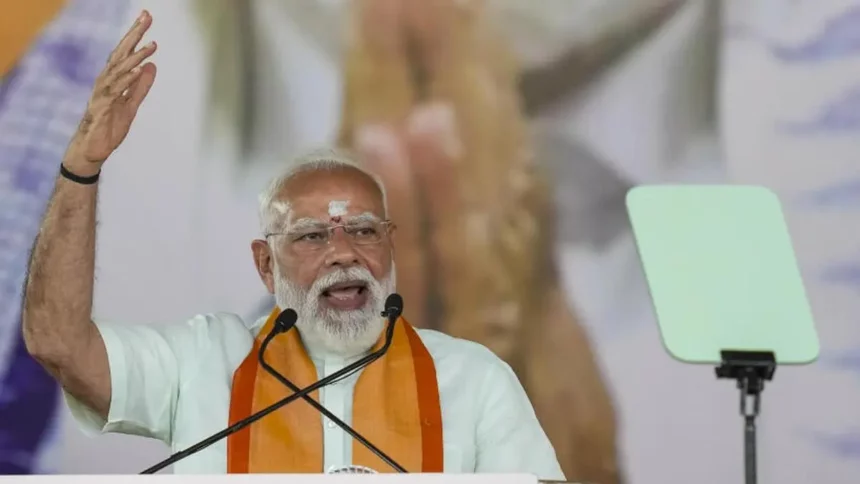
The inauguration of the Delhi–Dehradun Economic Corridor marks a major milestone in India’s infrastructure development, reflecting a strategic push toward faster connectivity, economic expansion, and regional integration. Prime Minister Narendra Modi’s visit to Uttarakhand and Uttar Pradesh has placed this ambitious project at the center of national attention, highlighting its importance in transforming transportation networks across northern India. The corridor, spanning over 210 kilometers and built at a cost exceeding ₹12,000 crore, is designed to significantly reduce travel time between Delhi and Dehradun from over six hours to nearly two and a half hours, offering a modern, high-speed alternative to existing routes.
The project is not merely a road infrastructure upgrade but a comprehensive economic corridor intended to enhance connectivity between major urban centers, pilgrimage destinations, and industrial regions. By linking Delhi with key districts in Uttar Pradesh and Uttarakhand, the corridor is expected to facilitate smoother movement of goods and passengers, thereby strengthening trade networks and supporting regional development. The inauguration ceremony in Dehradun also underscores the broader vision of integrating infrastructure with economic growth, positioning the corridor as a catalyst for future investments and opportunities.
High Speed Infrastructure Designed For Efficiency And Sustainability
The Delhi–Dehradun Economic Corridor has been developed as a six-lane, access-controlled expressway equipped with advanced infrastructure features aimed at improving safety, efficiency, and user experience. The project includes multiple interchanges, railway overbridges, and major bridges to ensure seamless connectivity across different regions. In addition, the corridor incorporates wayside amenities and service facilities designed to support long-distance travel and enhance convenience for commuters.
One of the most significant features of the corridor is its integration of environmental considerations into infrastructure design. A 12-kilometre elevated wildlife corridor, one of the longest in Asia, has been constructed to allow safe movement of animals and reduce human-wildlife conflict. This aspect of the project highlights a shift toward sustainable infrastructure development, where ecological preservation is balanced with economic progress.
The expressway is also equipped with an Advanced Traffic Management System, which will enable real-time monitoring and management of traffic conditions, improving safety and reducing congestion. The adoption of such technology reflects a move toward smarter transportation systems that can adapt to changing traffic patterns and ensure efficient operations. The corridor’s design and features set new benchmarks for highway development in India, combining speed, safety, and sustainability in a single integrated framework.
Economic Impact And Regional Development Opportunities
The Delhi–Dehradun Economic Corridor is expected to play a transformative role in boosting economic activity across the regions it connects. By reducing travel time and improving accessibility, the corridor will facilitate faster movement of goods, reduce logistics costs, and enhance supply chain efficiency. This is particularly significant for industries and businesses operating in Uttar Pradesh and Uttarakhand, which stand to benefit from improved connectivity to the national capital.
Tourism is another sector likely to experience substantial growth as a result of the corridor. Dehradun serves as a gateway to popular destinations such as Mussoorie and the Char Dham pilgrimage sites. The reduced travel time and improved road conditions are expected to attract more tourists, boosting local economies and creating new employment opportunities. The corridor’s role in enhancing access to pilgrimage routes further strengthens its importance in supporting religious tourism and associated industries.
In addition to tourism, the corridor is expected to stimulate development in industrial belts along its route. Improved connectivity can attract investments in manufacturing, logistics, and service sectors, contributing to overall economic growth. The project aligns with broader national goals of infrastructure-led development, where transportation networks act as enablers of economic expansion and regional integration.
The corridor also has implications for urban development, particularly in areas surrounding its interchanges and access points. Increased connectivity can lead to the growth of satellite towns, real estate development, and improved access to services, thereby enhancing the quality of life for residents.
Strategic Significance And Political Context Of The Visit
The inauguration of the corridor takes place against a backdrop of political and developmental priorities, highlighting the government’s focus on infrastructure as a key driver of growth. The Prime Minister’s visit to Uttarakhand and Uttar Pradesh includes not only the inauguration of the corridor but also a review of the wildlife corridor section and participation in local events.
The visit has also drawn political attention, with opposition parties raising questions and seeking accountability on various issues related to development and governance. This reflects the broader political context in which major infrastructure projects are often evaluated, where achievements are weighed against concerns about implementation and impact.
From a strategic perspective, the corridor strengthens connectivity between key regions in northern India, contributing to national integration and economic resilience. The project’s emphasis on modern infrastructure, environmental sustainability, and regional development aligns with long-term goals of enhancing India’s global competitiveness and improving domestic transportation networks.
The inauguration of the Delhi–Dehradun Economic Corridor represents a significant step in India’s infrastructure journey, demonstrating the potential of large-scale projects to transform connectivity, drive economic growth, and improve quality of life. As the corridor becomes operational, its impact on travel, trade, and regional development will be closely monitored, shaping future infrastructure initiatives across the country.