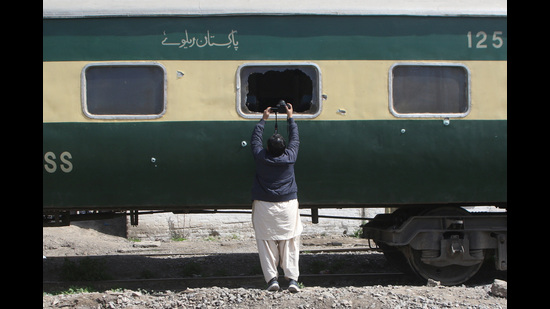
Pakistan is navigating a complex phase marked by heightened internal security threats and an ongoing economic recovery. The recent hijacking of a train in Baluchistan, which resulted in multiple fatalities, highlights the intensifying insurgency in the province. This incident is part of a broader pattern of escalating violence, with terrorist activities reaching their highest level in a decade, particularly in Baluchistan and Khyber Pakhtunkhwa.
At the same time, Pakistan’s economic condition has shown signs of stabilization, with reduced inflation and improved foreign exchange reserves. While these improvements offer some hope, structural economic challenges persist, making this recovery fragile. In the broader geopolitical landscape, the evolving global order presents new challenges, as traditional strategies may no longer yield the desired outcomes for Pakistan.
While internal security remains a pressing concern, Pakistan’s economic landscape has also undergone notable changes. Over the past six to eight months, the country has managed to stabilize its fiscal situation to some extent. Inflation rates have declined, foreign exchange reserves have seen an uptick, and the immediate fear of default has eased. However, these improvements are largely temporary, as deep-rooted structural issues such as low productivity, a weak industrial base, and a high dependence on external aid continue to hamper long-term growth prospects.
Geopolitically, Pakistan’s strategic positioning has traditionally allowed it to leverage its location for economic and security benefits. However, the evolving global order has diminished its ability to extract geopolitical rents. Major powers are recalibrating their priorities, and Pakistan’s traditional allies are increasingly focusing on their domestic interests rather than extending unconditional support. This shift necessitates a reevaluation of Islamabad’s foreign policy approach, particularly in its relations with neighboring India and other key players.
As Pakistan grapples with these multifaceted challenges, a balanced strategy addressing internal security, economic resilience, and foreign policy realignment will be crucial. The coming months will test the country’s ability to navigate these complexities while maintaining stability and fostering sustainable growth.