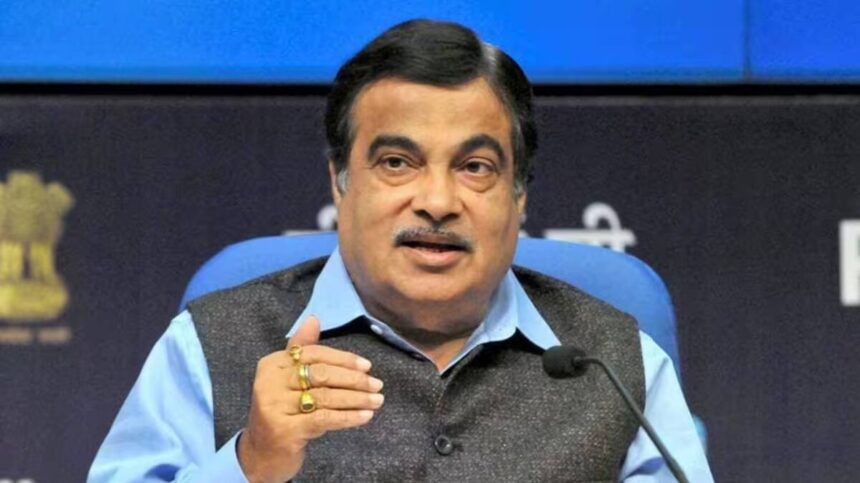
In a candid reflection on governance and the role of public activism in India, Union Road Transport Minister Nitin Gadkari emphasised that society needs individuals who are willing to file petitions against the government to ensure discipline within the administration. Speaking at the Late Prakash Deshpande Smriti Kushal Sangathak Puraskar ceremony held in Nagpur, Nitin Gadkari highlighted how court orders often achieve outcomes that even ministers cannot, due to the limitations of popular politics and administrative pressures.
Nitin Gadkari, a senior BJP leader known for his instrumental role in transforming India’s road infrastructure, underlined the critical importance of legal interventions to uphold accountability within the system. “There should be some people in the society who file petitions against the government in the court. This disciplines the politicians,” he remarked, adding that a court directive could often push the government towards action more effectively than internal decisions by ministers restrained by political considerations.
Celebrating Legal Activism
The minister noted that those honoured as ‘Kushal Sangathak’ during the ceremony had consistently fought legal battles against various government decisions, especially in the education sector. Their persistent efforts led to the withdrawal of several government decisions deemed unjust, showcasing how civic legal activism plays a pivotal role in rectifying administrative missteps.
Nitin Gadkari emphasised that the commitment of these activists in challenging wrongful decisions through the judiciary strengthens democracy and contributes to the creation of a fairer society. He highlighted that while governance requires leaders to take decisions, a robust democracy also requires citizens who hold the administration accountable through lawful and constructive means.
Importance of Judicial Directions in Governance
The Union Minister pointed out that despite the best intentions, politicians and ministers often face barriers in delivering justice and appropriate governance due to political pressures and the complex nature of public opinion. In such scenarios, he asserted that judicial intervention can drive impactful changes and ensure that policies align with the public interest.
Nitin Gadkari’s statements serve as a reminder of the critical role of the judiciary in maintaining checks and balances within a democracy. By encouraging citizens to actively participate in governance through lawful petitions, he reinforced the principle that accountability is a shared responsibility between the government and the people it serves.
His remarks also reflect the need for a participatory democratic structure where citizens are not just passive recipients of policies but active contributors to the governance process, helping in the correction of administrative lapses and ensuring that the system remains responsive to the needs of the people.